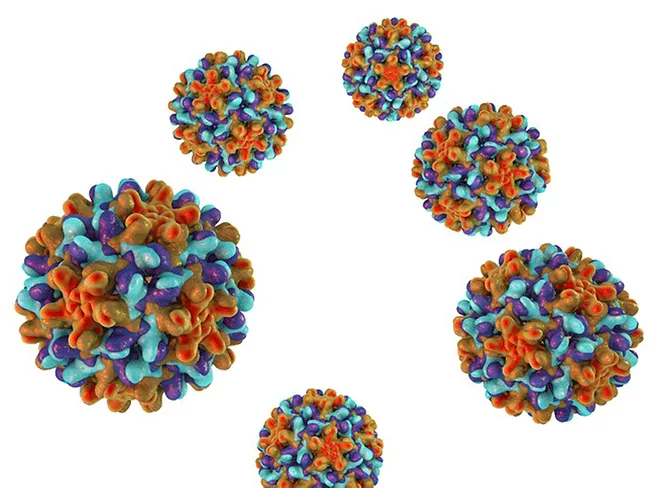
Researchers from Aligos Therapeutics Inc. have described the discovery of novel liver-targeted oral PD-L1 small-molecule inhibitors for the treatment of chronic hepatitis B and liver cancers.
Calcium/calmodulin-dependent protein kinase II (CaMKII) is involved in the regulation of calcium and its hyperactivation can lead to cardiac issues, particularly with rhythm and contraction.
CD39 has an essential role in converting extracellular adenosine triphosphate (ATP; pro-inflammatory) into adenosine monophosphate (AMP; anti-inflammatory). Preventing the action of CD39 in the tumor microenvironment would increase levels of ATP, causing myeloid cell activation and improvement of tumor control.
Stimulating the brain via implanted electrodes is used to treat both movement disorders such as Parkinson’s disease, and some psychiatric conditions such as obsessive compulsive disorder. But researchers are also working on ways to make such implanted electrodes listen instead of talk – and translate neuronal signals for people that have lost the ability speak, or the ability to move. At the Neurophysiology: Decoding and Neural Processing II session of the 2022 Annual Meeting of the Society for Neuroscience in San Diego, researchers from the Wyss Center for Bio and Neuroengineering (Switzerland) presented a device implanted in the brain that allowed restoration of movement and speech.
In August, Pact Pharma Inc. suspended its phase I trial after 16 patients had been treated with its autologous CRISPR-edited T cells “for business reasons,” the company announced at the time. Scientifically, though, the trial broke enough new ground to be concurrently presented in a late-breaking oral session at the 2022 annual meeting of the Society for the Immunotherapy of Cancer (SITC) and published as an accelerated article preview in Nature on Nov. 10, 2022.
New and updated preclinical and clinical data presented by biopharma firms at the Society for Immunotherapy of Cancer Annual Meeting including: Apexigen, Aulos, CG, Crispr, Cue, Curevac, Domain, Enterome, Immutep, Invios, Iovance, Medikine, Neoimmunetech.
Pegylated interferon-α (PegIFNα) is a treatment option for chronic hepatitis B (CHB) patients, but it often has undesirable side effects and not all patients respond to treatment. Tripartite motif-containing protein 26 (TRIM26) has been reported to have an impact on hepatitis C virus replication; researchers aimed to investigate the role of TRIM26 in CHB as well as its potential impact on response to PegIFNα in two cohorts of patients with CHB (N=945) treated for 48 weeks with a follow-up period of 24 weeks.
Biallelic mutations in the PYGM gene, which encodes for glycogen phosphorylase, cause McArdle disease, with a few cases documented to have hereditary macular dystrophies (HMDs) as an association. In the current study, a research team at the Hospital for Sick Children (SickKids), in Toronto, aimed to identify the disease-causing variants in an autosomal recessive family with HMD.
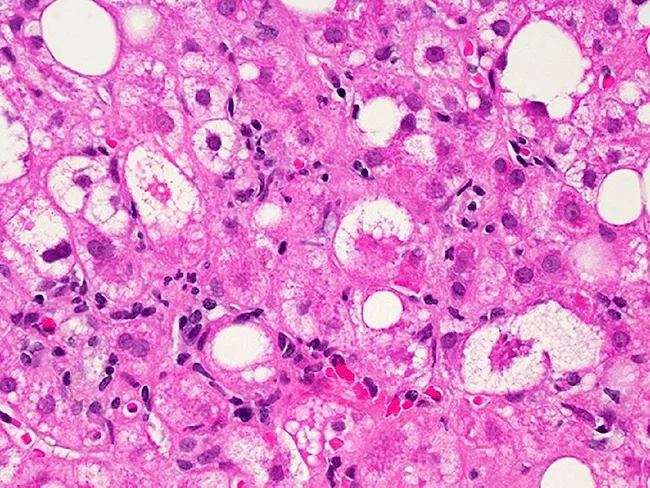
TOTUM-448 is a unique combination of plant extracts designed to reduce hepatic steatosis, a risk factor for nonalcoholic fatty liver disease (NAFLD) and type 2 diabetes.
 RSS
RSS