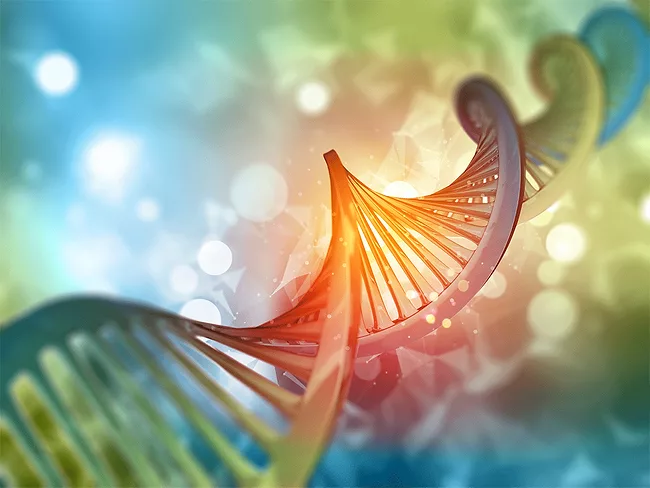
Sequencing of a total of 16 individuals from 4 multiplex families representing rare and diverse anorectal malformation (ARM) types, as well as 3 surgically resected tissue specimens, resulted in the identification of a novel paternally inherited heterozygous CDX2 variant [c.722A>G (p.Glu241Gly)].
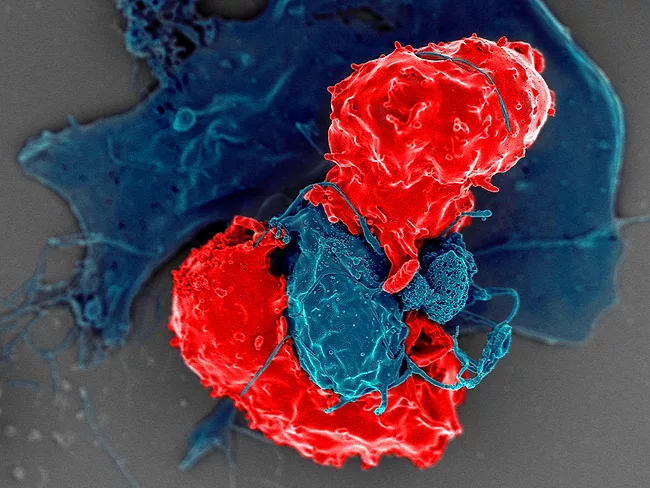
Interleukin-2 (IL-2) plays essential roles in immune system function, controlling tolerance and immunity. From the thymus, IL-2 prevents autoimmune disease by promoting the differentiation of immature T cells to regulatory T cells (Tregs).
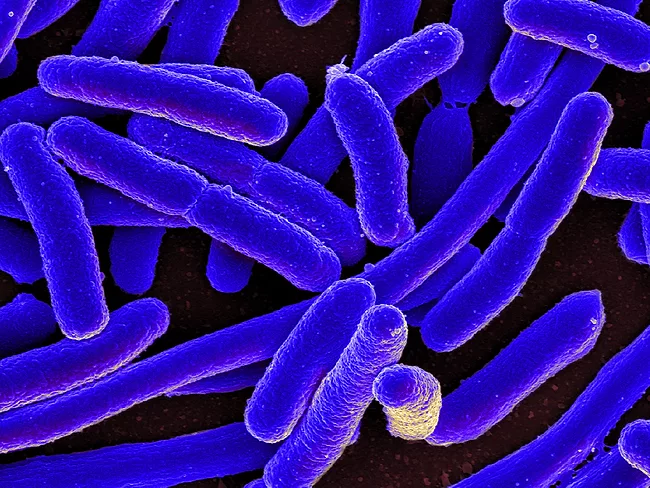
High hopes rest on manipulating the gut microbiome in order to treat a multitude of disorders. Clinical validation for the idea has come from the success of fecal microbiome transplants to treat chronic Clostridium difficile infections. Such transplants are in clinical trials to treat other gastrointestinal disorders, and more targeted methods to manipulate the microbiome are being developed as well, not just for infections, but in a multitude of other indications. Targeting the gut microbiome may turn into a way to alleviate inflammatory bowel disease, food allergies, and even psychiatric conditions.
Hand-foot syndrome (HFS), or palmoplantar erythrodysesthesia, is a dermatological toxicity produced by the fluoropyrimidine chemotherapy agents capecitabine and fluorouracil and affects 43-71% of patients.
The failure to remyelinate neurons following an attack is one of the major characteristics of multiple sclerosis (MS) ultimately causing the progressive loss of neurological dysfunction.

 RSS
RSS