Targeting TEAD with small-molecule inhibitors is an emerging therapeutic strategy for YAP/TAZ-dependent human cancers with Hippo pathway alterations. Bridgene Biosciences Inc. identified three hits with the Isobaric Mass Tagged Affinity Characterization (IMTAC) screening platform that covalently bound to TEAD1 with the binding site being cysteine 359, which led to the BGI-9004 compound.
Biogen Inc. presented new data showing how applying artificial intelligence (AI), machine learning (ML) and radiomics can produce actionable insights on multiple sclerosis (MS) disease progression. The results, released at this week’s European Committee for Treatment and Research in Multiple Sclerosis (ECTRIMS) Congress, could help to advance new digital health tools to improve monitoring and quality of life of MS patients.
Circuit dysfunction is clearly recognized as a driver of neuropsychiatric disease, and some neurodegenerative diseases such as Parkinson’s disease. And at the European Committee for Treatment and Research in Multiple Sclerosis (ECTRIMS) 2022 Congress, researchers made an argument that the same is true in multiple sclerosis (MS). Such a lens could explain the radiological-clinical paradox between the amount of structural damage and clinical severity.
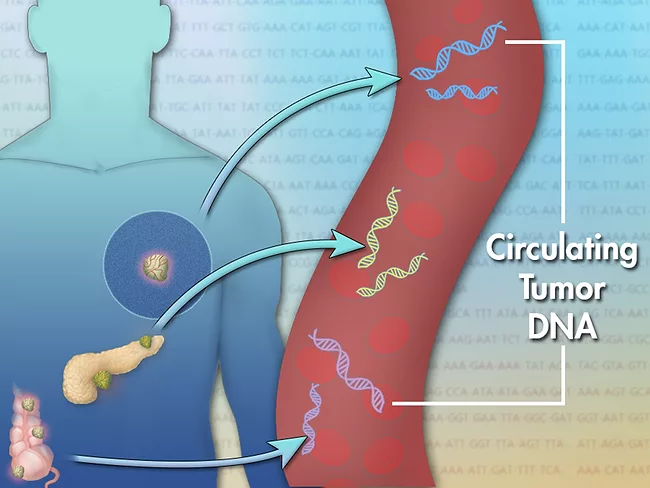
Nowadays, there are many tools for cancer diagnosis, from imaging techniques to biopsies. In traditional blood tests, liquid biopsy bursts onto the scene as an explosion of possibilities driven by molecular techniques for the detection and sequencing of proteins or genetic material. But specialists are cautious because they know that in liquid biopsies not everything is detected. At the ENA 2022 session “The role of ctDNA in clinical trials,” Marie Morfouace, a translational researcher at the EORTC, presented “ctDNA in clinical trial practice today,” where she described the balance of the possibilities of the liquid biopsy when confronting it with the results in patients offered by the studies published to date.
New and updated preclinical data presented at the EORTC-NCI-AACR Symposium on Molecular Targets and Cancer Therapeutics in Barcelona, Spain, by: Black Diamond Therapeutics, Exscientia, Flare Therapeutics, Ikena, Nuvalent, Ryvu, Scorpion, Theseus.
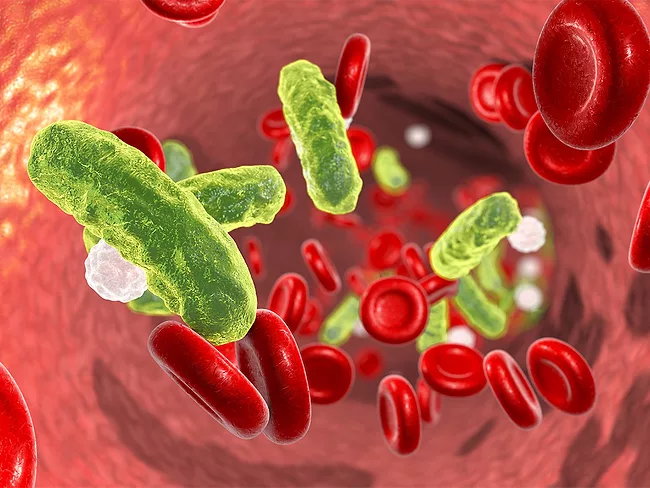
Brain-derived neurotrophic factor (BDNF) is a pleiotropic cytokine that has been shown to be involved in metabolic regulation, development of lung disease and support of hematopoiesis, apart from its known roles in the central nervous system. Its plasma levels during sepsis were investigated in this study.

 RSS
RSS