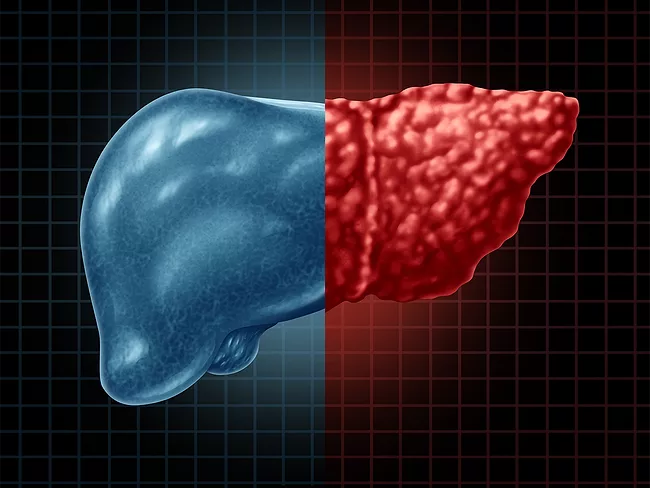
Zhejiang Doer Biologics Co. Ltd. has presented data regarding their FGF21R/GCGR/GLP-1R triple agonist DR-10624 for the treatment of metabolic dysfunction-associated steatohepatitis (MASH).
Researchers from Protagonist Therapeutics Inc. reported the preclinical characterization of PN-881, an oral macrocyclic peptide that inhibits the dimeric forms of IL-17 – AA, AF, and FF.
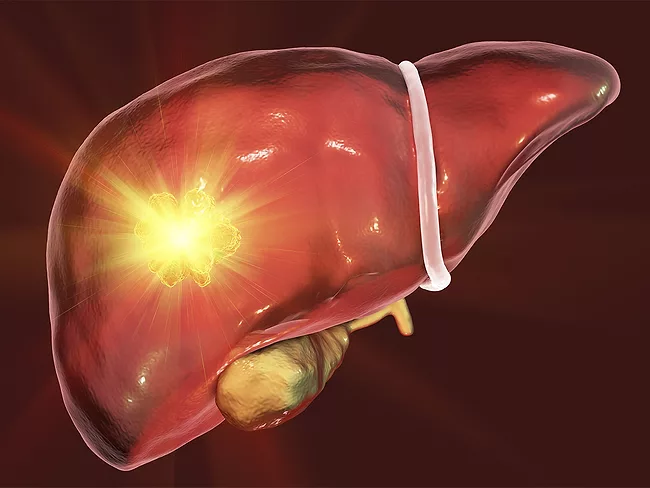
Aberrant activation of β-catenin, often due to mutations in its encoding gene or loss-of-function mutations in APC, contributes to tumor progression and therapy resistance, as seen in advanced hepatocellular carcinoma (HCC), where approximately 30% of cases exhibit β-catenin activation.
Ongoing policy issues in the U.S., including the Inflation Reduction Act and recent proposals under President Donald Trump’s administration, have wide ranging implications for the global biopharmaceutical industry, speakers at Bio Korea 2025 said May 8, including a heightened need for all biotechs to draft regulatory strategies.
The KRAS G12D mutation is the most common oncogenic KRAS variant, identified in approximately 34% of pancreatic ductal adenocarcinoma cases, 12% of colorectal cancers and 4% of lung adenocarcinomas.
Radiopharmaceuticals can offer a targeted approach for cancers that have limited therapeutical options. Abdera Therapeutics Inc. recently presented results of their novel 5T4-targeted radiopharmaceutical.
Epidermal growth factor receptor (EGFR), when overactive or overexpressed, may lead to tumor growth and spread, and is thus a robust target for therapy.
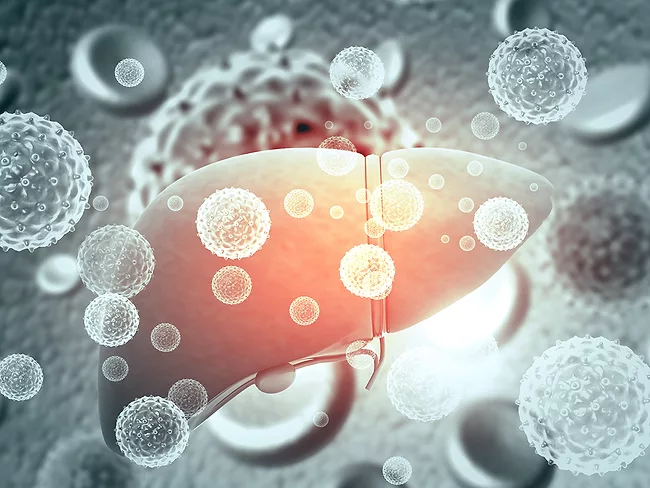
Current therapies for chronic hepatitis B virus (HBV) infection can effectively suppress viral replication but do not achieve a functional or complete cure. Capsid assembly modulators inhibit the assembly of viral capsids, prevent the encapsidation of pregenomic RNA, and interfere with both the formation and amplification of covalently closed circular DNA, which is essential for viral persistence.
Among the most significant genetic risk factors for age-related macular degeneration is the Y402H variant of complement factor H, which, along with its splice isoform FHL-1, impairs binding to the retinal surface.
Traditional neoantigen prediction methods primarily rely on HLA-peptide binding databases, often producing false positives. This challenge highlights the need for improved strategies to identify truly immunogenic neoantigens. Neoantigen-based cancer vaccines have shown promising efficacy in recent clinical trials for treating solid tumors, offering a potential solution.
 RSS
RSS