Seung-min Park, professor at Nanyang Technological University and cofounder of Kanaria Health, is working to manufacture smart bidets that can capture biomarker data from urine and stool automatically and enable continuous monitoring.
Atopic dermatitis (AD) is mainly triggered by immune dysregulation, barrier dysfunction and inflammation propagation, and chronic itching increases the susceptibility to infections.
Investigators from Insmed Inc. have presented new preclinical data on the efficacy of their adenoviral vector (AAV9)-based gene therapy INS-1201 for the treatment of Duchenne muscular dystrophy (DMD).
At this week’s Muscular Dystrophy Association Clinical and Scientific Conference in Dallas, researchers from Suzhou Genassist Therapeutics Co. Ltd. presented preclinical data for GEN-6050X (ss.AAV9.oTAM and ss.AAV9.hE50-sgRNA).
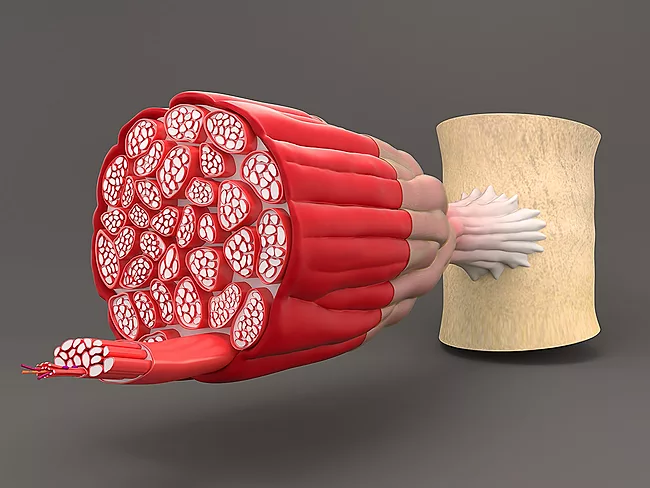
Sarcopenia is an age-related condition in which muscle mass and strength decrease, leading to reduced overall physical performance. As fast-twitch muscle fibers are more impacted by age-related decline, strategies aimed at enhancing the regeneration and functionality of these fibers are essential to prevent the progression of sarcopenia.
Researchers from Senju Pharmaceutical Co. Ltd. presented results from preclinical studies that assessed the hyperthermic effects of SJP-0132, a selective antagonist of transient receptor potential vanilloid 1 (TRPV1), which is currently awaiting approval in Japan as an ophthalmic treatment to alleviate the signs and symptoms of dry eye disease.
In atopic dermatitis, psoriasis and other dermatologic diseases, T cells lose tolerance to self-antigens, triggering the autoimmune response that leads to abnormal skin cell proliferation and inflammation. The use of Nck modulators may help correct dysregulated T-cell receptor (TCR) signaling, potentially restoring immune tolerance and reducing subsequent inflammatory responses.
In 2020, the Conference on Retroviruses and Opportunistic Infections (CROI) was the first scientific conference to move from in-person to virtual due to the COVID-19 pandemic. On the fifth anniversary of the virtual conference, and the pandemic, some of those earliest COVID-19 patients have still not recovered.
Although safe and effective vaccines for SARS-CoV-2 have been successfully developed, there are currently no therapeutic approaches available for treating acute infection, particularly for individuals at high risk of severe disease progression, and for preparedness against a potential new coronavirus pandemic.
Neuroblastoma, an aggressive malignancy originating from neural crest cells, accounts for 15% of cancer-related deaths in children. Treatment strategies include systemic chemotherapy, radiation or immunotherapy with anti-GD2 antibodies, all with severe side effects and long-term toxicity. Retinoic acid (RA) has been shown to promote neuroblastoma growth inhibition while suppressing MYCN oncogene expression. However, its effect is reversible, and tumor regrowth may occur.

 RSS
RSS