IMU Biosciences Ltd. has raised £11.5 million (US$14.7 million) in a series A round to further develop and commercialize profiling technology that can identify from a blood sample which of more than 2,000 cell types are present in an individual’s immune system.
Biontech SE and Duality Biologics Co. Ltd. have progressed BNT-323/DB-1303 to pivotal phase III trials, beginning in China in patients with hormone receptor-positive and HER2-low metastatic breast cancer.
What had been viewed as a major catalyst for Gilead Sciences Inc. going into 2024 turned into a disappointment on the stock market, as antibody-drug conjugate Trodelvy (sacituzumab govitecan) failed to meet the overall survival primary endpoint in the phase III Evoke-01 study in previously treated metastatic non-small-cell lung cancer (NSCLC).
As gene therapies gain unprecedented traction into 2024, preclinical-stage South Korean biotech Genecraft Inc. said it raised ₩10 billion (US$7.48 million) in a series A financing to further R&D for its therapy against lung cancer.
PDC*line Pharma SA has received €4.7 million (US$5.1 million) in public funding as part of a €12.5 million project to apply its allogeneic leukemia-derived dendritic cell line in the development of personalized vaccines for treating colorectal cancer.
Axelia Oncology Pty Ltd. was spun out of Ena Respiratory Pty. Ltd., which developed a series of synthetic Toll-like receptor (TLR) 2/6 agonists for nasal delivery to treat respiratory infections, including influenza and SARS-CoV-2. Although the pegylated TLR 2/6 agonist, INNA-051, was initially focused on antiviral activity, the company discovered that it also worked in oncology models, and Axelia was spun out to focus on oncology, CEO Phil Kearney told BioWorld.
“This is a tough business. It’s never a straight line from start to success.” Those words, from Exelixis Inc. CEO Michael Morrissey, during a presentation at the J.P. Morgan Healthcare Conference (JPM), could easily sum up any aspect of the biopharma industry. But with more biopharma firms than ever having reached commercial status, along with the introduction of new therapeutic modalities into the health care market, many are finding the toughest part comes after regulatory approval, whether it’s navigating a competitive landscape, getting payers and physicians on board, or satisfying regulators’ stringent postmarketing requirements. As industry players and observers head home after a busy week in San Francisco, BioWorld offers a brief glimpse at a few firms taking on those post-approval challenges in 2024.
Six weeks after the U.S. FDA issued an alert, the EMA is following suit and starting a review of the safety of six approved CAR T-cell cancer therapies, following 23 reports of patients developing secondary cancers. The EMA said such malignancies were considered “an important potential risk” at the time of approval and are included in the risk management plan. Close monitoring is in place, with companies required to conduct long-term safety and efficacy follow-up studies and to file safety update reports.
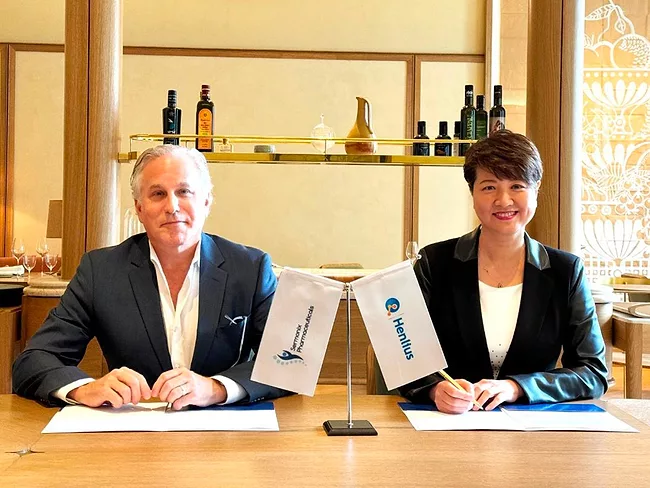
U.S. biopharma Sermonix Pharmaceuticals Inc. handed off China rights of lasofoxifene, an oral endocrine therapy in development for breast cancer, to Shanghai’s Henlius Biotech Inc., for an undisclosed up-front payment and up to $58 million in milestone fees.
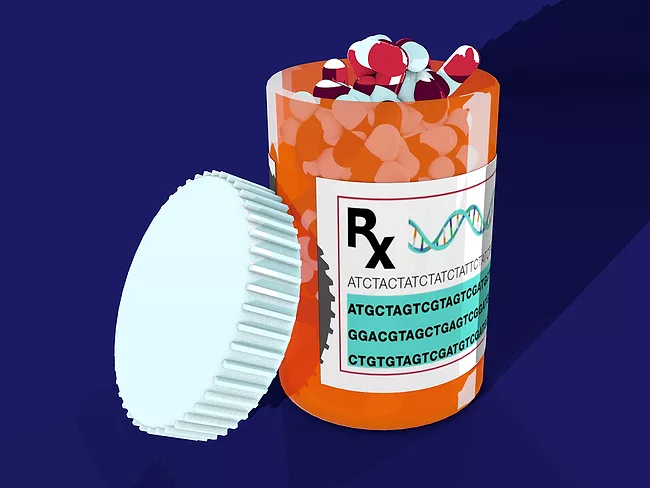
A landmark, real-world study in the U.K. has demonstrated that combining whole genome sequencing with clinical data enabled tailored cancer treatment and improved outcomes. At one health care center, having DNA sequence data led to changes from usual standard of care in 25% of cases. “Mostly, [patients] got into clinical trials; some got medicines they wouldn’t have got. Others avoided medicines because their genetic make-up suggested that if they were exposed to the medicines, they would be at risk of harm,” said Mark Caulfield, professor of clinical pharmacology at Queen Mary University of London, who is co-author of a paper outlining the findings in Nature Medicine, Jan 11, 2024.
 RSS
RSS