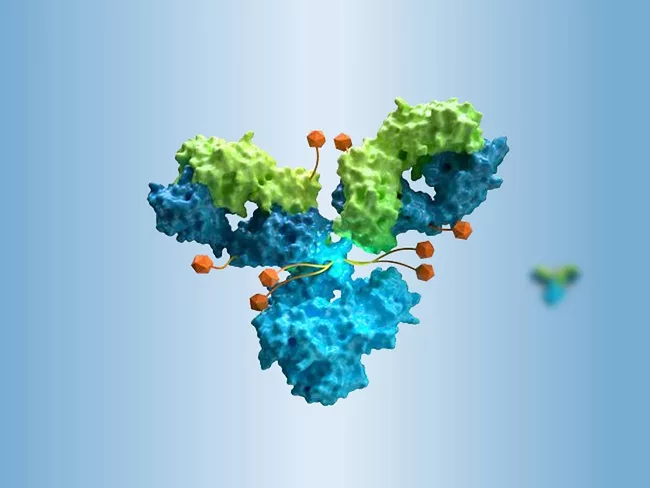
Sichuan Kelun-Biotech Biopharmaceutical Co. Ltd. won local approval of the first China-made trophoblast cell-surface antigen 2 (TROP2)-targeted antibody-drug conjugate (ADC), sacituzumab tirumotecan, as a third-line therapy for advanced breast cancer.
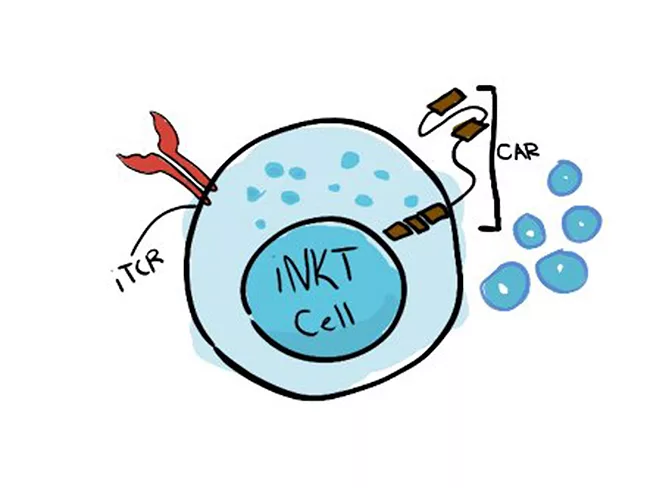
Arovella Therapeutics Ltd. is heading toward the clinic with its lead product, ALA-101, which consists of a chimeric antigen receptor (CAR) targeting CD19 and invariant natural killer T (iNKT) cells.
Poseida Therapeutics Inc. is being bought out for $1.5 billion by partner Roche Holdings Inc. to develop allogeneic CAR T therapies to treat hematologic malignancies. The two companies began their collaboration in August 2022, a deal that brought Poseida $110 million up front and another $110 million in near-term milestone payments. With the acquisition, Roche plans to develop CAR T programs for solid tumors and autoimmune diseases with Poseida's genetic engineering platform and preclinical programs.
When it comes to cell therapy, Alloplex Biotherapeutics Inc. CEO Frank Borriello said he believes that autologous, personalized therapy is the only thing that makes sense. “The allure of an off-the-shelf therapy has been such a magnet. It sucked in a lot of companies into that dream, and I'm sorry to say, it hasn't really worked out for them,” he told BioWorld. Instead, Borriello said he envisioned a cell training platform that doesn’t just tweak a single immune pathway but instead harnesses multiple immune pathways to turn the tables on cancer.
Many studies have linked the presence of specific bacteria to various diseases. But a general overgrowth of gut bacteria can be a symptom of different conditions, including colorectal cancer and inflammatory bowel disease.
The Ministry of Food and Drug Safety (MFDS) approved South Korea’s first denosumab (Prolia/Xgeva) biosimilars, developed by Celltrion Inc. under the brand names of Stoboclo/Osenvelt (CT-P41) for respective indications, a move the company hopes will help secure first-mover advantage for the drugs, currently under review in the U.S. and Europe.
China’s drug regulator approved Alpha Biopharma Ltd.’s EGFR tyrosine kinase inhibitor (TKI), Zorifer (zorifertinib hydrochloride tablets; AZD-3759), as a first-line treatment for EGFR-mutated non-small-cell lung cancer (NSCLC) with brain metastases.
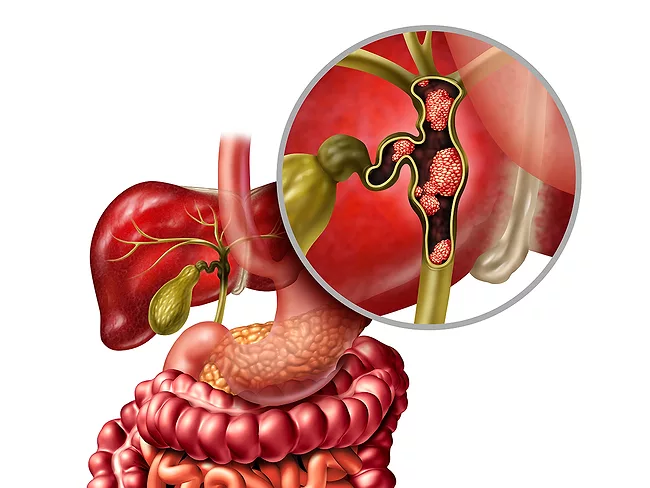
More than a week ahead of its priority PDUFA date, the U.S. FDA has greenlit the first dual HER2-targeted bispecific antibody specifically for previously treated, unresectable or metastatic HER2-positive biliary tract cancer. The approval went to Jazz Pharmaceuticals plc for Ziihera (zanidatamab), an injection given to adults every two weeks. The treatment was designed to have a more favorable profile than competitors, where drugs targeting HER2 such as Astrazeneca plc’s Enhertu (trastuzumab deruxtecan) and Roche Holding AG’s Herceptin (trastuzumab) are options, as well as checkpoint inhibitors such as Merck & Co Inc.’s Keytruda (pembrolizumab).
Kura Oncology Inc. and Kyowa Kirin Co. Ltd. have joined hands in a global strategic collaboration worth $1.49 billion to develop and commercialize ziftomenib, Kura’s selective oral menin inhibitor for treating patients with acute myeloid leukemia (AML) and other hematologic malignancies.
Radiopharmaceutical company Telix Pharmaceuticals Ltd. has inked a deal worth up to AU$264 million (US$171 million) to license and develop next-generation radiopharma imaging and therapy technology targeting fibroblast activation proteins found in a wide range of cancers.
 RSS
RSS