Billiontoone Inc.’s Northstar Select comprehensive genomic profiling liquid biopsy assay identified more treatable variants than other tumor profiling platforms in a study published in The Journal of Liquid Biopsy. Notably, the test found clinically actionable alterations substantially below the limit of detection for other tests.
Lee Dae-hong founded Aivis Inc. in January 2021 as an AI-powered pathology software company, having led the development of the world’s first commercial under-display fingerprint recognition algorithm that was later incorporated into the Galaxy S10 and Galaxy A series of smartphones of Samsung Electronics Co. Ltd.
Despite having lower smoking habits than other groups in the U.S., Black Americans are more likely to develop lung cancer, and their survival rates are significantly worse. What explains this disparity? Scientists at Vanderbilt University Medical Center have analyzed the genetics of their African ancestry in search of risk genes related to the disease and tobacco use. The results reveal new risk factors and confirm the presence of genetic variants that may contribute to the greater impact of lung cancer in this population.
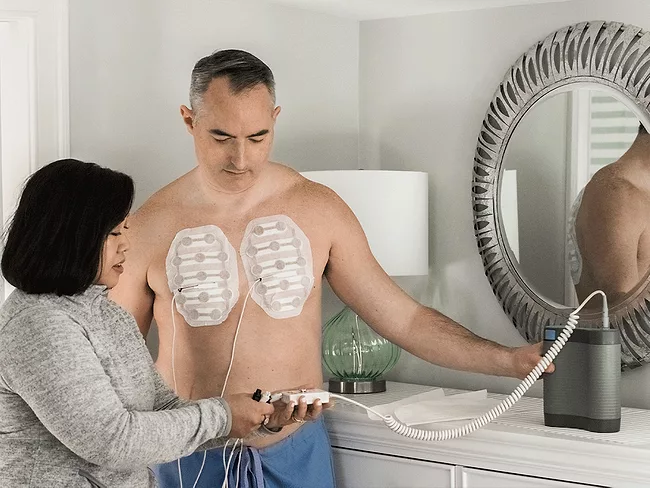
Novocure GmbH said it submitted a premarket approval application to the U.S. FDA for its Optune Lua wearable device tumor treating fields therapy for the treatment of locally advanced pancreatic cancer.
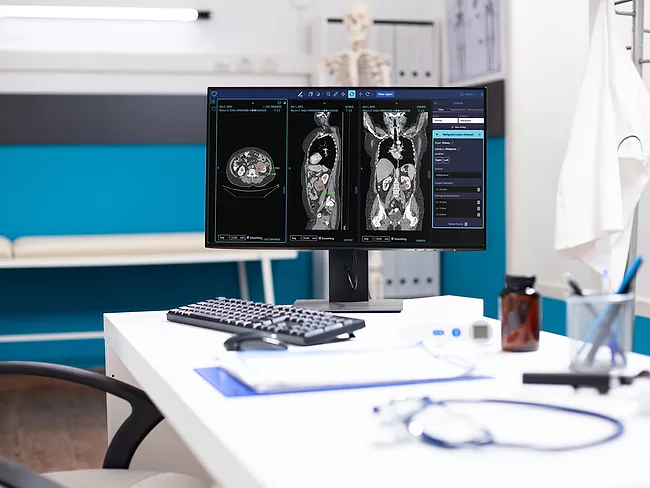
Better Medicine OÜ raised €1 million (US$1.16 million) in a pre-seed funding round for its AI platform, Bmvision Kidney, which uses deep-learning models to detect malignant kidney lesions. The funds will be used to accelerate the rollout of the software across Europe and prepare for U.S. FDA clearance.
Colorectal cancer is among the most common malignant tumor types and the second leading cause of tumor-related deaths worldwide. Tumor necrosis factor α-induced protein 8-like protein 2 (TIPE2) is a protein member of the TIPE family and highly expressed in immune cells. The prognostic impact and the relationship with tumor immunity of TIPE2 plus other immune markers such as CD8, CD20 and CD66b were evaluated in colorectal cancer by researchers from First Affiliated Hospital of Anhui Medical University and collaborators.
Deephealth Inc., a subsidiary of Radnet Inc., completed the acquisition of breast health solutions company Icad Inc. in a $110 million all-stock transaction. The company also received U.S. FDA 510(k) clearance for Techlive – a remote scanning solution enabling centralized operation and supervision of MR, CT, PET/CT and ultrasound procedures.
A research team from Pusan National University has developed a novel deep learning model coined Moglo-Net, designed to enable three-dimensional reconstruction of images from hand-held ultrasound procedures.
Heartflow Inc. upped the price of shares in its IPO for a second time to $19 on Aug. 7 before opening on the Nasdaq as “HTFL” at $28 and climbing to $31.50 in early trading. The IPO raked in $316.7 million for the 16.67 million shares sold, giving the cardiology company a valuation of $2.27 billion.
Just two days after reporting the appointment of a new CEO, Instylla Inc. said it received a premarket approval from the U.S. FDA for its flagship product Embrace hydrogel embolic system. Embrace HES has been approved for the embolization of hypervascular tumors in peripheral arteries.
 RSS
RSS