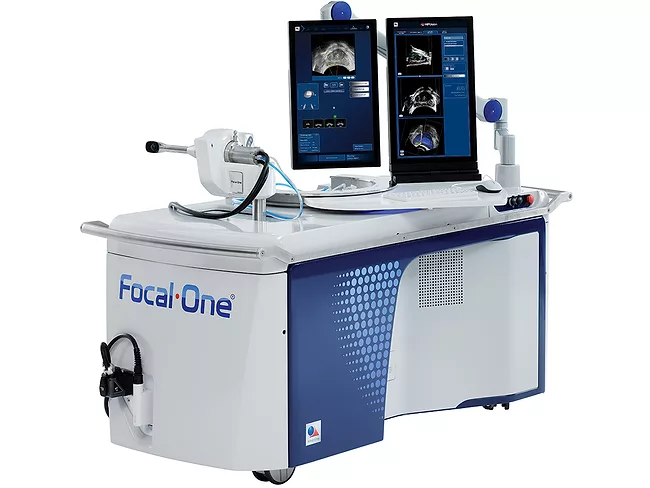
Edap TMS SA signed a €36 million (US$42 million) multi-tranche credit facility with the European Investment Bank, with the first tranche of €11 million expected to be disbursed in early November. The funds will be used to strengthen the company’s balance sheet to support the continued expansion of its Focal One high-intensity focused ultrasound technology in focal therapy and accelerate the development of new clinical indications.
Radiopharm Theranostics Ltd. completed a AU$35 million (US$22.77 million) placement to advance six of its radiopharmaceutical candidates for both diagnostic and therapeutic uses. The funds raised will go toward clinical trials, drug manufacturing and working capital to extend Radiopharm’s funding runway into 2027.
While positive results from the investigator-led phase II CHOPIN trial at the 2025 European Society of Medical Oncology (ESMO) Annual Congress being held in Berlin failed to get investors dancing, they were no doubt music to management’s ears, particularly with Delcath Systems Inc.’s third quarter earnings report missing a beat.
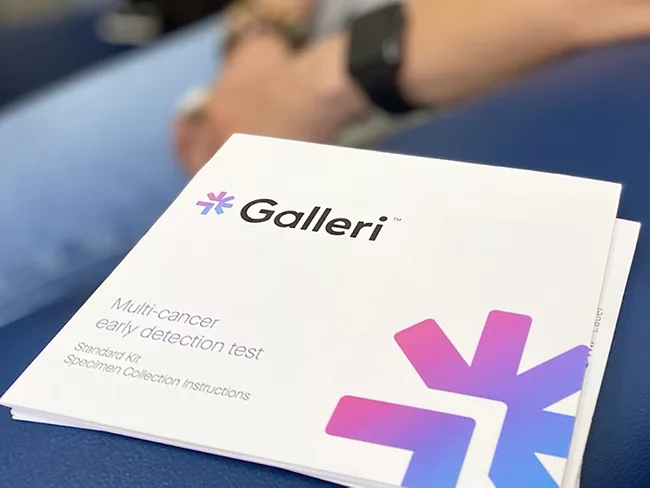
Grail LLC has presented data showing that when added to standard screening procedures for breast, cervical, colorectal and lung cancers, its Galleri circulating tumor DNA test led to a sevenfold increase in the number of cancers detected.
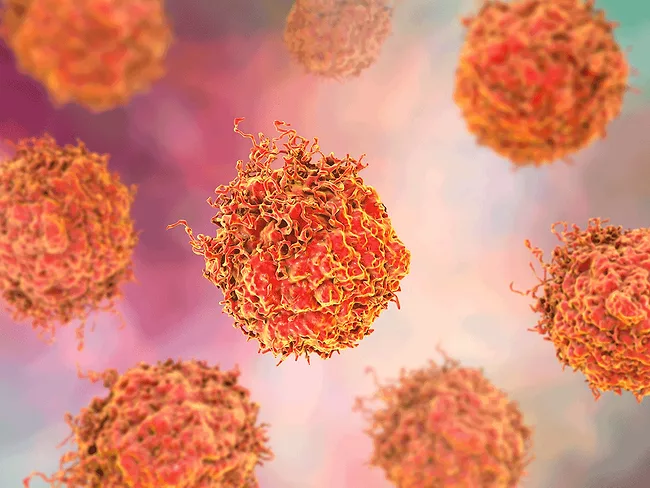
Two enzymes from the protein disulphide isomerase (PDI) family enable prostate cancer cells to grow, survive, and resist treatment. This discovery, however, could be taken as an advantage to improve therapy for this type of tumor. Blocking the function of PDIA1 and PDIA5 leads to cancer cell death and a reduction in tumor size.
Histosonics Inc. signed an exclusive distribution agreement with Gunze Medical Ltd. to bring its novel histotripsy-based therapeutic model, the Edison System, to Japan. The strategic alliance with Gunze Medical, a wholly owned subsidiary of Osaka, Japan-based Gunze Ltd., paves a figurative runway for Histosonics to introduce its Edison platform in Japan — one of Asia’s largest medical device markets.
Ottobock SE & Co. KGaA got the Frankfurt Stock Exchange on its feet and dancing with Germany’s largest IPO in more than 18 months Oct. 9. The €808 million (US$934.23 million) gave the prosthetics company a market capitalization of €4.2 billion (US$4.88 billion), which rapidly rose as the share price shot up from €66 to €72 at the start of trading. The second med-tech to go public in October should have more company soon, with U.S. molecular diagnostics company Billiontoone Inc. filing Oct. 7 for an IPO with placeholder value of $100 million.
As the many challenges facing cell therapies are being addressed, the CAR T field continues to evolve beyond its original design of T cells engineered to target hematological malignancies. During the 32nd Annual Congress of the European Society of Gene and Cell Therapy (ESGCT), held in Seville Oct. 7-10, several studies showed how this technology is being redefined as programmable and adaptable immune cells with expanded functional versatility.
The 2025 Nobel Prize in Chemistry “is a story full of holes, but with enormous capacity to absorb all your attention,” Heiner Linke told reporters. “And other things.” Linke is Chair of the Nobel Committee for Chemistry. On Oct. 8, 2025, the committee announced that it has awarded the 2025 Nobel Prize in Chemistry to Susumu Kitagawa, Richard Robson and Omar Yaghi “for the development of metal-organic frameworks” (MOFs).
Owlstone Medical Ltd. has been awarded up to $49.1 million in funding by the Advanced Research Projects Agency for Health (ARPA-H) to develop over-the-counter, at-home, cancer screening tests. These tests will be able to accurately detect more than 30 cancers as early as stage I, when tumors are still small and survival rates are highest, revolutionizing the field of cancer detection and improving patient outcomes.
 RSS
RSS