Rakuten Medical Inc. raised $100 million in a series F round to support late-stage clinical development of ASP-1929, its Alluminox-derived photoimmunotherapy being tested with Keytruda (pembrolizumab) as a first-line treatment for recurrent head and neck cancer.
Rhythm Biosciences Ltd. launched a new genetype colorectal cancer risk assessment clinical test that incorporates clinical and lifestyle risk factors alongside its established 140-SNP polygenic risk score to identify people at elevated risk of colorectal cancer. The test supports more targeted screening and complements Melbourne-based Rhythm’s Colostat blood-based CRC detection test, which debuted in Australia in December 2025.
The sea anemone Stichodactyla helianthus, which carpets the Caribbean seafloor, may hold the key to eliminating the senescent cells that survive cancer therapy. A collaboration led by Spanish scientists across several international research centers has discovered a new type of toxin that selectively eliminates senescent cancer cells.
Cellbxhealth plc, previously called Angle plc, appointed CEO Peter Collins along with several non-executives to its board as it embarks on a new strategic direction. Over the past few months the company overhauled its management team, reduced its workforce by 60% and raised £8.2 million (US$11 million) as it changes focus from research to commercialization of its Parsortix system, a platform that captures and harvests circulating tumor cells (CTCs).
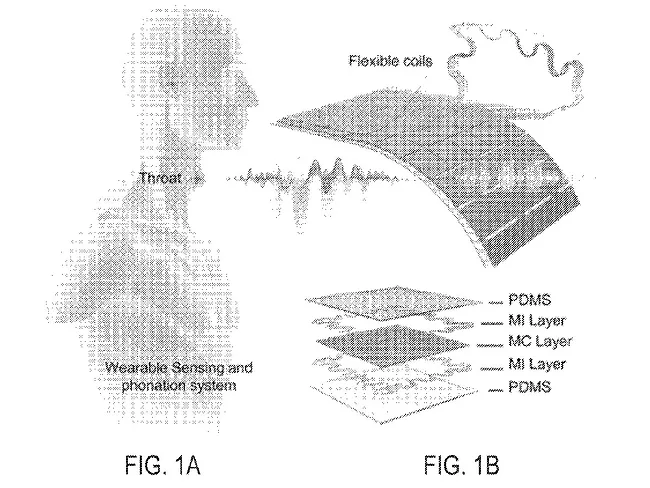
Jun Chen, a tenured associate professor of bioengineering at the Samueli School of Engineering at the University of California Los Angeles (UCLA), leads a team developing a speech-sensing wearable patch. The technology translates the intricate muscle movements of the larynx into discernible speech.
Beginning Jan. 1, 2026, China will apply provisional import tariff rates lower than the most-favored-nation rates on 935 items, the State Council announced. The move aims to boost collaboration between domestic and international sectors, and to leverage resources of both to expand the supply of high-quality goods.
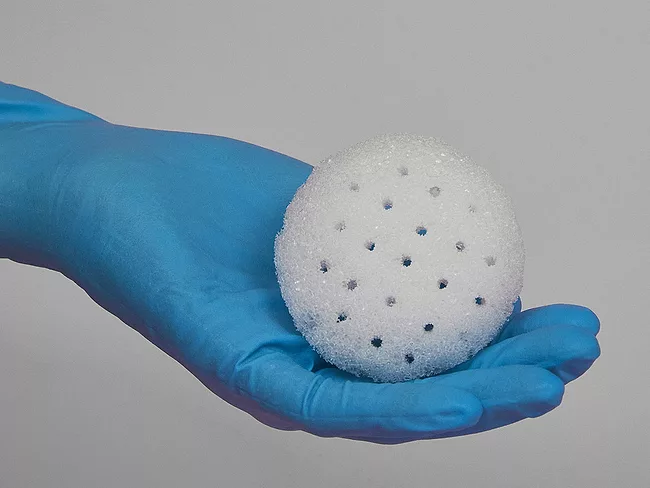
Tensive Srl reported positive data from its pivotal trial confirming the safety profile of Regenera, its bioabsorbable breast implant, and its potential to transform breast reconstruction. The pivotal trial, evaluating the Regenera in patients undergoing lumpectomy, found it to be safe, biocompatible and feasible for volume replacement in breast-conserving surgery.
The U.K. National Institute for Health and Care Excellence posted a draft update on its recommendations for ovarian cancer testing, proposing several changes that may lead to earlier intervention in the ovarian cancer disease cycle.
Four optimization trends dominated the med-tech industry in 2025. Growth-driven acquisitions propelled major players into hot markets, while strategic realignments at several large companies prompted notable exits as well as a few tuck-in deals. Spin-offs continued their mixed performance, with several companies on track for significant splits and others changing plans. Private equity entered — and exited — with leveraged buy outs, and a record-setting cash out.
Long noncoding RNAs (lncRNAs) have emerged as potential markers of disease, since they associate with proteins that regulate gene expression, translation or stability, among others, and where hypoxia might play a role in this scenario. In recently published work, researchers analyzed clinical data from patients with lung adenocarcinoma to identify hypoxia-modulated lncRNAs in vivo and in vitro, and which could correlate with prognosis.
 RSS
RSS