The U.K. government recently unveiled £148.4 million (US$193.7 million) in funding for a raft of initiatives to tackle cancer. Backed by public and private sector investment, the projects will deliver new technologies to speed up cancer diagnosis and new methods to transform treatment.
GE Healthcare Technologies Inc. is participating in the €25.3 million (US$27.8 million) Thera4care project that aims to expand the use of theranostics in Europe. The 29 partners involved in the project will develop new cancer treatment tools, strengthen the manufacture and supply of radiotheranostic, and optimize the clinical use of radiotheranostics.
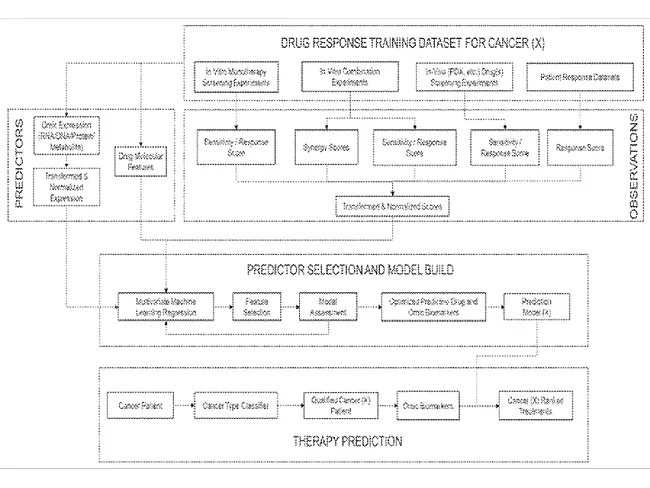
Certis Oncology Solutions Inc. filed for protection of its artificial intelligence platform that utilizes big data, statistical algorithms, and machine learning to predict drug efficacy based on gene expression biomarkers.
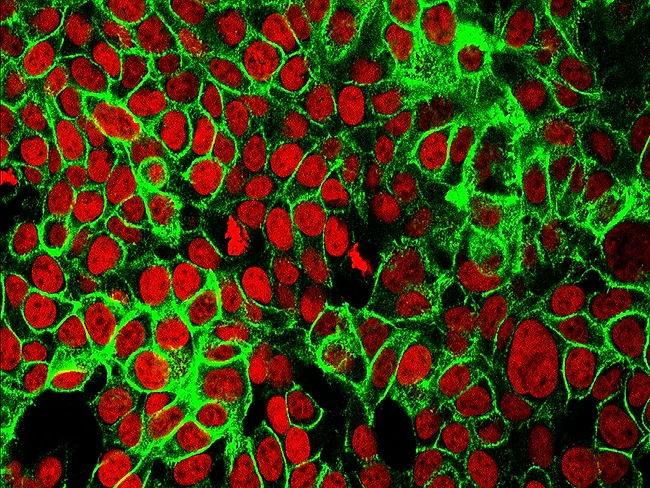
Research into the regulation of gene expression experienced a significant breakthrough with the discovery of microRNA, small RNA molecules that do not code for proteins but control their translation. This finding has earned its authors Victor Ambros and Gary Ruvkun the 2024 Nobel Prize in Physiology or Medicine.
Exact Sciences Corp.’s Cologuard Plus received U.S. FDA pre-market approval as a non-invasive colorectal cancer home screening test. The next-generation, stool-based assay, developed in conjunction with the Mayo Clinic, reduces false positives by 30% compared to the original Cologuard test without diminishing its sensitivity for cancer or advanced adenomas.
Varian Medical Systems Inc. launched its Hypersight imaging solution for its Truebeam and Edge linear accelerators across the Asia Pacific region, providing clinicians with better image quality, enhancing their ability to deliver more precise radiation treatments.
Owkin Inc. partnered with Astrazeneca plc to develop an artificial intelligence (AI)-powered tool to pre-screen for germline BRCA mutations (gBRCAm) in breast cancer directly from digitized pathology slides. The companies hope that the gBRCA pre-screening solution will not only transform patients’ lives but bring value to health care systems.
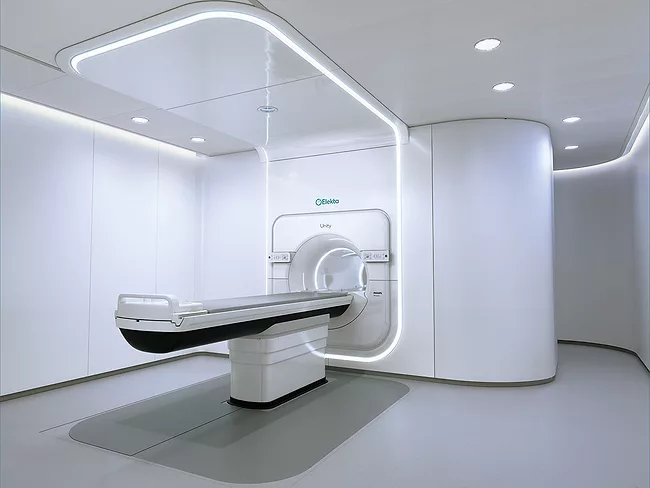
A study presented at the American Society for Radiation Oncology on Oct. 1 offers promise for the treatment of high-grade gliomas using Elekta AB’s Unity MR-Linac system.
One of Australia’s newest biotech investment funds is set to triple investments on the back of its success and strong investor demand. The three-year old Merchant Biotech Fund (MBF) invested in several high growth ASX-listed and private life sciences companies and finished the past financial year up more than 70%. It is up 10% for the current financial year, Portfolio Manager Reece O'Connell told BioWorld.
Radiopharmaceutical company Telix Pharmaceuticals Ltd. is continuing its buying spree to shore up dominance in the radiopharmaceutical market with its latest acquisition of RLS Radiopharmacies for $250 million to expand its U.S. manufacturing presence and establish a next-generation radiometal production network.
 RSS
RSS