Mica AI Medical Ltd. is looking to transform the early diagnosis of breast cancer with its software which helps radiologists analyze mammograms more effectively. The company recently signed a collaboration and licensing agreement with Baptist Health South Florida in a bid to bring its technology to the U.S. market.
Radiopharmaceutical company Telix Pharmaceuticals Ltd. has inked a deal worth up to AU$264 million (US$171 million) to license and develop next-generation radiopharma imaging and therapy technology targeting fibroblast activation proteins found in a wide range of cancers.
Many studies have linked the presence of specific bacteria to various diseases. But a general overgrowth of gut bacteria can be a symptom of different conditions, including colorectal cancer and inflammatory bowel disease. A study counting gut microbiome proposes that microbial load, rather than the disease, could explain the presence of certain pathogens.
Despite government efforts to prop up biopharma and med-tech research toward creating women’s health products, companies must eventually reach out to the private markets to bring their inventions to the next stage of development. Anna Zornosa-Heymann, a women’s health investor, serves as a part-time contractor with the U.S. NIH’s SEED (Small business Education & Entrepreneurial Development) office, where she helps companies move from government to external funding. Government funds are “excellent to pay for research … but those funds don’t allow you to build a first-class team and to develop a sales apparatus,” she told BioWorld.
Artificial intelligence-powered rare disease diagnostics firm 3billion Inc. debuted on the tech-heavy Kosdaq board of the Korea Exchange Nov. 14 with its IPO raising about ₩14.4 billion (US$10.25 million) via an offering of about 3.2 million shares at ₩4,500 per share, the low end of its offering price range.
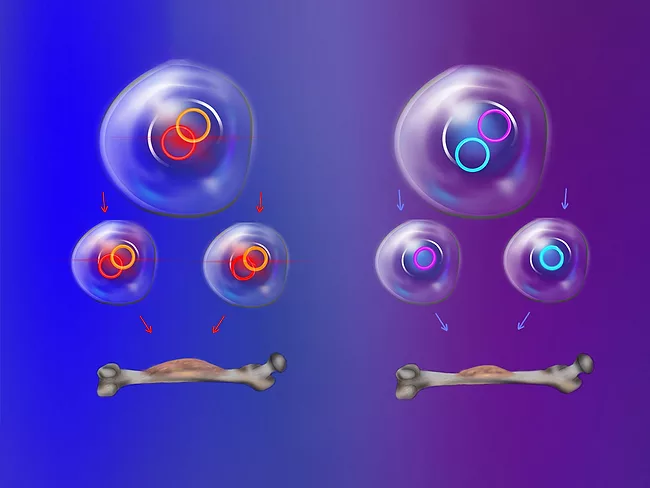
Cancer therapies can eliminate specific tumors based on their genetic content. However, some cancer cells survive. How do they do it? Part of the answer lies in extrachromosomal DNA (ecDNA), an ace up the tumors’ sleeve to adapt and evade attack. Three simultaneous studies in the journal Nature lay all the cards on the table, revealing ecDNAs’ content, their origin, their inheritance, their influence in cancer, and a way to combat them.
Six main cell types form glioblastomas (GBM), the most aggressive brain cancer due to its high rate of recurrence. Of these six, quiescent cancer stem cells are responsible for resistance to therapy and the reappearance of the tumor, according to a study that identified the six groups and highlighted the importance of these stem cells for the design of more effective therapies.
Radiopharmaceutical biotech and contract development and organization firm Duchembio Co. Ltd. filed a securities report to South Korea’s Financial Services Commission Nov. 11, kickstarting the IPO process to list on the Korea Exchange.
Zap Surgical Systems Inc. reported closing a $78 million series E funding round led by Qingdao Baheal Medical Inc., with participation from other strategic investors. The new funds will be used to commercialize the company’s Zap-X gyroscopic radiosurgery platform for the non-invasive treatment of brain tumors.
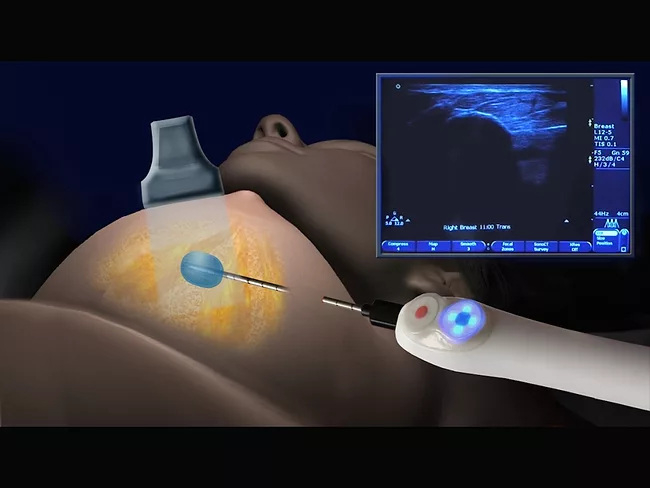
Early-stage breast cancer patients in the U.S. may soon be able to access another treatment regime based on the result of a Nov. 7 FDA advisory committee for the Prosense cryoablation system by Icecure Medical Ltd. The advisory committee voted 9-5 that the benefits of Prosense outweigh the risks, although the FDA has yet to decide on the application.
 RSS
RSS