Esophageal cancer, particularly esophageal squamous cell carcinoma (ESCC), is one of the most prevalent digestive malignancies, with a 5-year survival rate of only 20%. Although some cancer immunotherapies based on immune checkpoint inhibitors (ICIs) have shown promise for ESCC, only a minority of patients actually benefit from ICI therapy.
With more than three weeks left in the first quarter, the value of med-tech IPOs for 2025 already exceeds the funds raised from all IPOs for med-tech companies in the last two years combined. Kestra Medical Technologies Ltd. provides a clear example of how fast the market is heating up, with a final IPO that raked in more than twice as much as initially expected, while Advanced Biomed Inc. shows the appeal of the U.S. exchanges for non-U.S. companies.
Sofinnova Partners raised a whopping €1.2 billion (US$1.26 billion) over the past year to invest in life sciences companies ranging from incubation to later-stage growth, and spanning biotech, med tech, industrial biotech and digital medicine.
After a second round, the U.S. FDA has accepted for review radiopharmaceutical company Telix Pharmaceuticals Ltd.’s BLA for its kidney cancer PET imaging agent, TLX250-CDx (Zircaix, 89Zr-DFO-girentuximab), granting it a priority review with a PDUFA date of Aug. 27, 2025.
Scientists at the University of Aberdeen developed a new scanner that distinguishes breast tumor material from healthy tissue more accurately than current magnetic resonance imaging (MRI) methods.
New research has uncovered a complex interplay between extracellular matrix (ECM) structure and the transcriptional responses of cancer cells, showing how they alter their gene expression to ‘escape’ from ECM.
Using ALK+ lung cancer patient-derived cell lines, researchers have performed phosphoproteomic screening and identified guanylate kinase 1 (GUK1) as a TKI sensitive metabolic molecule in ALK-driven lung cancer.
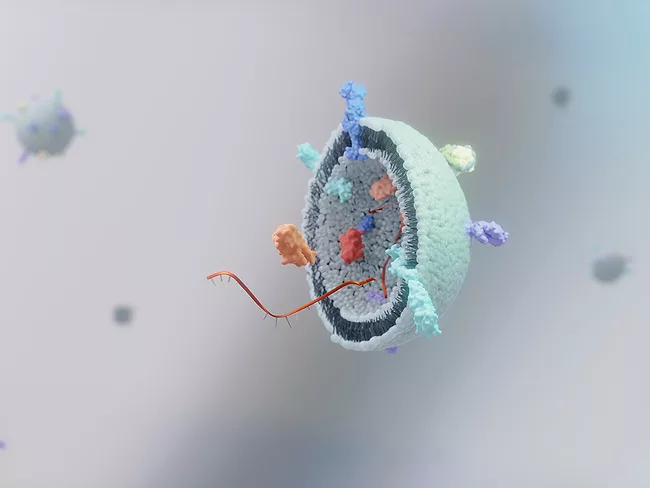
The lung and thrombosis may play a key role in cancer and metastasis progression, according to a collaborative study led by Cornell University scientists. In the nonmetastatic lung microenvironment of several cancer types, the development of a prothrombosis niche promotes metastasis formation through the release of small extracellular vesicles loaded with an integrin protein.
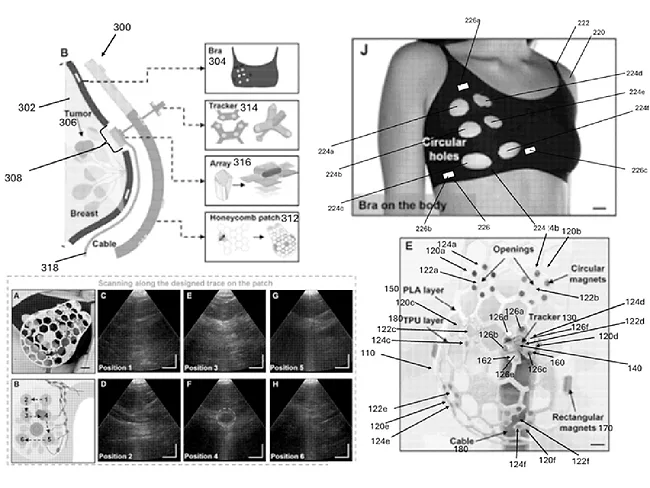
The latest patenting from Canan Dagdeviren seeks protection for their wearable, conformable ultrasound breast patch that enables standardized and reproducible image acquisition over the entire breast with less reliance on operator training and applied transducer compression.
Dongkook Life Science Co. Ltd. (DKLS) priced a ₩18 billion (US$12.5 million) IPO on the Korea Exchange as South Korea’s first med-tech listing of the year.
 RSS
RSS