Curasight A/S has received clinical trial approval from the EMA for phase I evaluation of Utreat as a new type of targeted radiopharmaceutical therapy in glioblastoma patients. The trial will enroll participants with newly diagnosed verified or suspected glioblastoma, and dosing is expected to commence in the fourth quarter of this year.
HCW Biologics Inc. has outlined its development of second-generation, pembrolizumab-based immunotherapeutics against solid tumors, particularly for pancreatic and ovarian cancer, using its proprietary T-cell Receptor β Chain constant region (TRBC) product discovery and development platform technology.
Lee Dae-hong founded Aivis Inc. in January 2021 as an AI-powered pathology software company, having led the development of the world’s first commercial under-display fingerprint recognition algorithm that was later incorporated into the Galaxy S10 and Galaxy A series of smartphones of Samsung Electronics Co. Ltd.
Relay Therapeutics Inc. has disclosed compounds acting as phosphatidylinositol 3-kinase α (PI3Kα) inhibitors reported to be useful for the treatment of cancer and PIK3CA-related overgrowth spectrum (PROS).
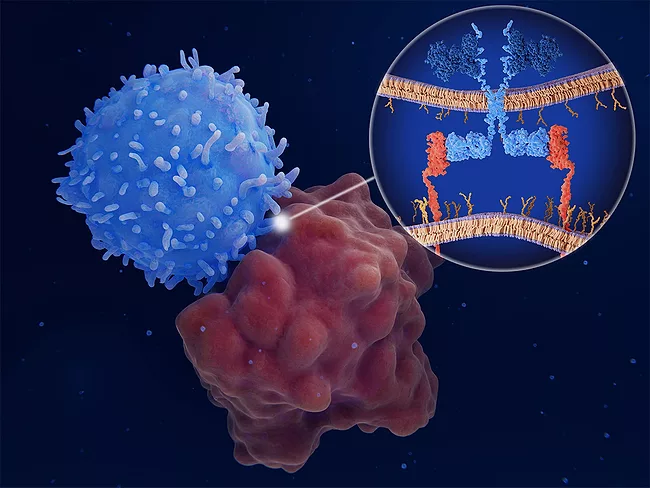
CAR T-cell therapy works by engineering a patient’s T cells to express synthetic receptors that recognize and kill cancer cells without relying on HLA presentation. This approach has shown remarkable success in relapsed or refractory B-cell cancers and multiple myeloma, resulting in several approved treatments. However, no CAR T therapy is currently approved for acute myeloid leukemia (AML) or T-cell acute lymphoblastic leukemia (T-ALL).
The discovery of the ‘Warburg effect’ more than 80 years ago implied that inhibiting tumor cells’ ability to consume abnormally large amounts of glucose could prevent them from growing. Taking advantage of the fact that hexokinase-2 catalyzes the first step of glucose metabolism, researchers at Yıldız Teknik Üniversitesi and collaborators identified novel derivatives of the hexokinase-2 inhibitor lonidamine and identified at least one that was potentially more potent and less toxic.
Small-cell lung cancer (SCLC) and some other cancers involve dysregulation of the transcription factor E2F, and apoptosis can be induced in those cells by blocking the interaction of the RxL sequence motif in E2F with cyclin A, which leads to hyperactivation of E2F. Researchers from Dana-Farber Cancer Institute and collaborators have developed macrocyclic peptides that inhibit this interaction and thereby hyperactivate E2F, leading to anticancer activity in various preclinical systems.
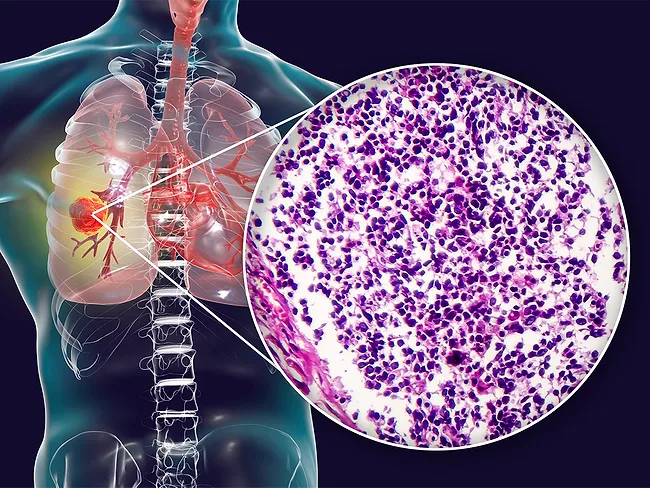
Despite having lower smoking habits than other groups in the U.S., Black Americans are more likely to develop lung cancer, and their survival rates are significantly worse. What explains this disparity? Scientists at Vanderbilt University Medical Center have analyzed the genetics of their African ancestry in search of risk genes related to the disease and tobacco use. The results reveal new risk factors and confirm the presence of genetic variants that may contribute to the greater impact of lung cancer in this population.
Inventisbio Co. Ltd. and Inventisbio LLC have divulged Werner syndrome helicase (WRN; RECQ3; RECQL2) inhibitors reported to be useful for the treatment of cancer.
 RSS
RSS