Dysregulation of the polycomb repressive complex 2 (PRC2) is associated with epigenetic silencing of tumor suppressor genes, leading to alterations in cell proliferation, differentiation and survival that contribute to cancer progression.
RAS is the most mutated oncogene in cancer (about 30% rate), where mutations in KRAS are the most prevalent. The approval of covalent KRAS G12C inhibitors has shown allosteric inhibition of KRAS to be a feasible therapeutic strategy, and there is interest in developing new KRAS-directed therapies to target additional KRAS mutants. Amgen has presented data regarding its pan-KRAS inhibitor AMG-410.
Bladder cancer is among the 10 most frequent cancers around the world. While potentially effective treatments exist, they do not benefit all patients, so investigators continue to search for new targets. Researchers at Nanjing Drum Tower Hospital have identified sideroflexin 1 (SFXN1) as a potential therapeutic target.
G2Gbio Inc. debuted on the Korea Exchange with a ₩52.2 billion (US$37.7 million) IPO Aug. 14. Nearly half of the funds raised will be used to expand Cheongju-si, South Korea-based G2Gbio’s manufacturing plants and help mass produce sustained-release injectable drug products such as GB-5001, its lead candidate in development as a once-monthly formulation of donepezil (Aricept; Eisai Co. Ltd.) for Alzheimer’s disease.
Avixgen Co. Ltd., a subsidiary of Dx&Vx Co. Ltd., inked a $360 million license agreement with an unidentified U.S.-based biotechnology company, granting the latter rights to its advanced cell penetrating (ACP) peptide drug delivery platform.
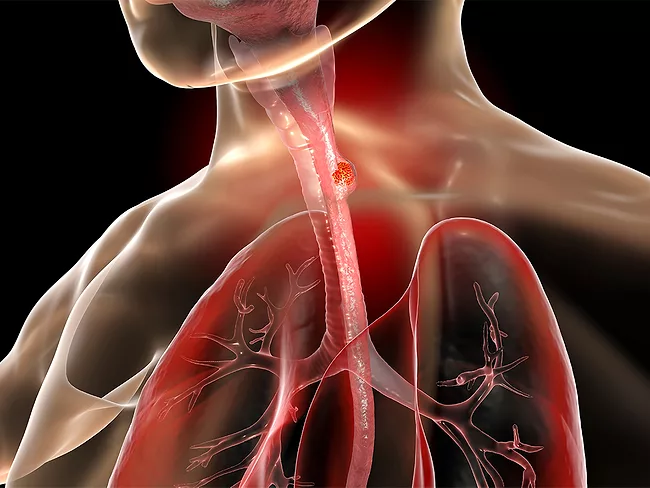
Esophageal carcinoma (EC) is a tumor type of the digestive tract that accounts for about 300,000 deaths worldwide annually, with high aggressiveness and poor prognosis. Chinese researchers have investigated the implication of the enzyme aldehyde dehydrogenase 18 family member A1 (ALDH18A1) in EC.
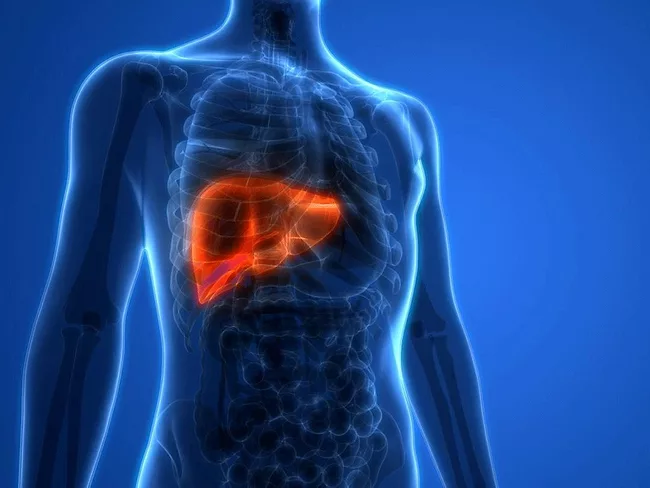
Sorafenib is a widely used treatment for hepatocellular carcinoma that has advanced beyond surgical resection, but only 30% of patients respond and many develop resistance within half a year. The resistance has been linked to showing greater ‘stemness’ characteristics of tumor cells, such as activation of signaling pathways mediated by Wnt/b-catenin, Hedgehog and PI3K-Akt.
Researchers at Wenzhou Medical University reported the synthesis and preclinical evaluation of a novel series of betulin-succinate derivatives developed as potential anticancer agents. Betulin is a naturally occurring triterpene that shows significant potential as a lead compound for the development of novel antitumor agents, owing to its selective cytotoxicity against cancer cells and low toxicity toward normal cells.

 RSS
RSS