Acute myeloid leukemia (AML) is an aggressive blood cancer with poor clinical outcomes and high mortality rates, primarily driven by drug resistance and relapse. Increasing evidence has confirmed dysregulated cellular metabolism as a tumor hallmark with crucial roles in tumor growth, progression and drug resistance.
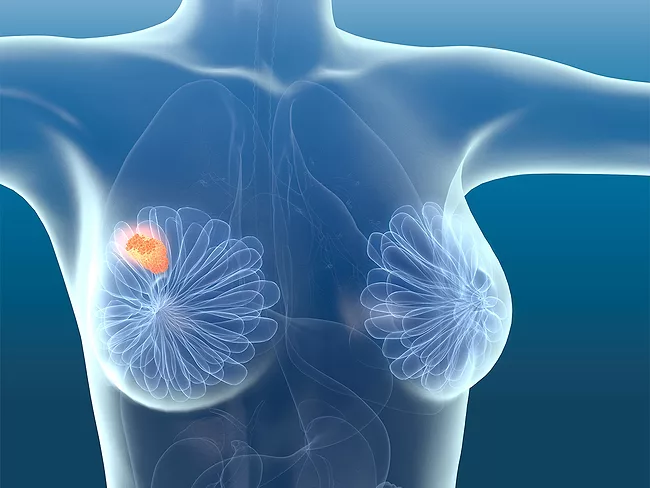
Researchers from Xi’an Jiaotong University and Southern University of Science and Technology have conducted a comprehensive preclinical study to evaluate the efficacy and safety of a second-generation CAR T therapy targeting trophoblast cell-surface antigen 2 (TROP2) for the treatment of triple-negative breast cancer.
In August, a press release from HHS announced the cancellation of 22 vaccine research projects based on mRNA, the latest available technology aimed at developing therapies for viral infections, cancer, and genetic conditions. What happens to mRNA innovation when funding dries up? This series explores how reductions in funding could impact mRNA technology, affecting innovation, research and future therapies.
Tensive Srl's Regenera, a bio-absorbable breast implant, promises to help the millions of women who undergo breast cancer surgery every year, to feel whole again. “While surgery will save many lives, it comes at the cost of losing something very personal, which is the sense of a woman's wholeness. I think that's what has been a major challenge,” Sanjay Kakkar, CEO told BioWorld.
Goodpath Inc., a virtual provider of whole-person care for chronic conditions, raised $18 million in series A financing, led by Massmutual Ventures with participation from Healthy Ventures and current investors.
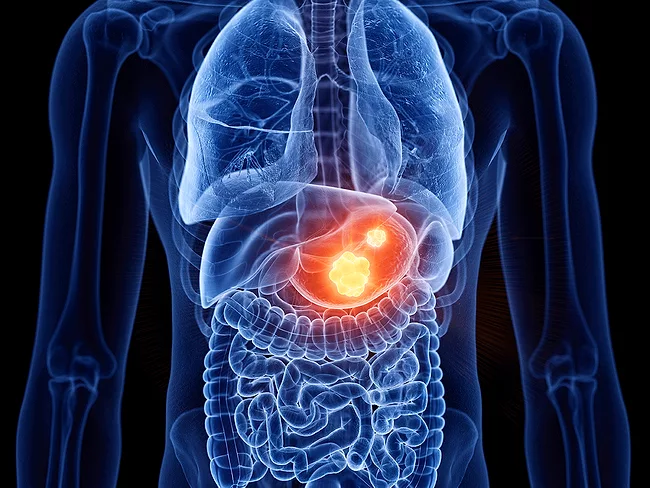
Dewpoint Therapeutics Inc. has closed its series D financing to advance DPTX-3186, a first-in-class condensate modulator (c-mod), into clinical trials by year-end and deliver early clinical proof of concept in gastric cancer by the end of next year.
Iambic Therapeutics Inc. presented preclinical data on IAM-1363, a selective and irreversible HER2 and pan-HER2 mutant inhibitor in HER2-driven NSCLC models. In vitro studies across a panel of HER2-altered NSCLC cell lines demonstrated that IAM-1363 exhibits potent antiproliferative activity in both HER2-amplified and HER2-mutant models.

 RSS
RSS