Chia Tai Tianqing Pharmaceutical Group Co. Ltd. has described macrocyclic compounds acting as DNA polymerase θ (POLθ) inhibitors reported to be useful for the treatment of cancer.
Jiangsu Hansoh Pharmaceutical Group Co. Ltd. and Shanghai Hansoh Biomedical Co. Ltd. have divulged protein arginine N-methyltransferase 5 (PRMT5) inhibitors reported to be useful for the treatment of cancer.
Blueprint Medicines Corp. has identified proteolysis targeting chimera (PROTAC) compounds comprising an E3 ubiquitin ligase-binding moiety covalently linked to a cyclin dependent kinase 2 (CDK2)-targeting moiety through a linker reported to be useful for the treatment of cancer.
Astrazeneca AB has synthesized proteolysis targeting chimera (PROTAC) compounds comprising a protein cereblon (CRBN) binding moiety covalently linked to an estrogen receptor α (ER-α)-targeting moiety through a linker reported to be useful for the treatment of breast cancer.
Researchers at Shanghai Haiyan Pharmaceutical Technology Co. Ltd. and Yangtze River Pharmaceutical Group have disclosed proteolysis targeting chimeras (PROTACs) comprising an E3 ubiquitin ligase-binding moiety coupled to a polycomb protein EED-targeting moiety through linkers; they are reported to be useful for the treatment of cancer.
Lung cancer is the second most frequent cancer worldwide, and it accounts for 18% of all cancer-related deaths. Most cases of lung cancer involve non-small-cell lung cancer (NSCLC), in which therapy with immune checkpoint inhibitors (ICIs) can improve prognosis, yet up to 75% of patients fail to respond to it. Researchers at the Chinese Academy of Medical Sciences & Peking Union Medical College have identified potential metabolic markers that may help predict which patients are more likely to respond to ICI therapy.
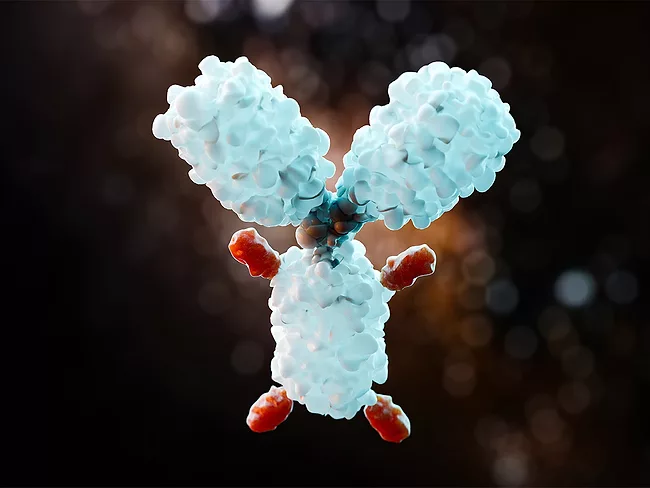
Researchers at Araris Biotech AG have developed antibody-drug conjugate (ADC) technology that allows single-step connection of antibody to drug via a novel RKAA peptide linker that stably prevents the drug from acting systemically.
Multiple myeloma bone disease (MBD) lacks effective biomarkers; recent evidence involves exosomal circRNAs in the progression of cancer, but their roles in the field have not been deeply explored. The aim of this study was to explore the role of component of oligomeric golgi complex 5 (COG5) and shed light on its osteolytic mechanism.
Researchers from the National Cancer Institute and their collaborators have presented data regarding a MLK3-degrading PROTAC, CEP1347-VHL-02, for treating triple-negative breast cancer.
An RNA interference (RNAi) molecule that selectively targets the KRAS G12V mutation could represent a key advance in the treatment of cancer associated with this oncogenic variant. Researchers at the University of North Carolina (UNC) at Chapel Hill, in collaboration with Enfuego Therapeutics Inc., have developed a new RNAi designed to enter cells through the epidermal growth factor receptor (EGFR), which is commonly overexpressed in tumor cells. This targeted entry pathway could minimize the side effects associated with therapies that affect KRAS.

 RSS
RSS



.webp?height=488&t=1750428815&width=650 "Interfering RNA (RNAi)")