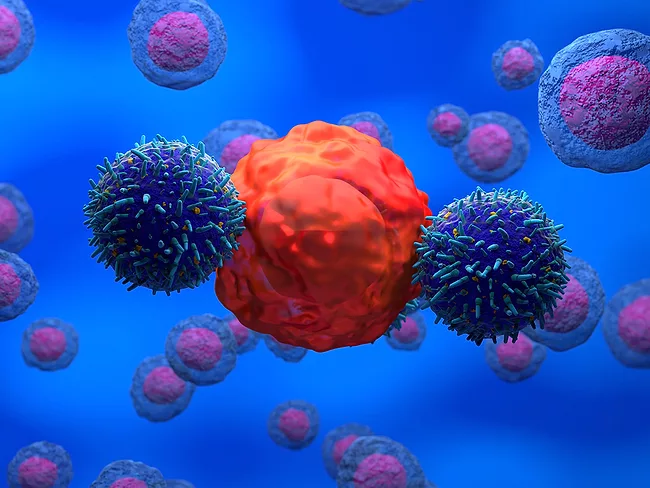
Work at Chia Tai Tianqing Pharmaceutical Group Co. Ltd. has led to the identification of new protein arginine N-methyltransferase 5 (PRMT5) inhibitors reported to be useful for the treatment of cancer.
Impact Therapeutics Inc. has disclosed new heteroaromatic and heterobicyclic compounds acting as Myt1 kinase (PKMYT1) inhibitors reported to be useful for the treatment of cancer.
Therapies against aggressive T-cell lymphomas (TCLs) are limited and treatment resistance to histone deacetylase (HDAC) inhibitors often occurs. Polycomb protein EED is a key member of the polycomb repressive complex 2 (PRC2) complex and is an attractive therapeutic target for TCLs. APG-5918 is an EED inhibitor from Ascentage Pharma Group International Co. Ltd. that has been proven to disrupt the PRC2 functioning and has been tested in preclinical TCL models as a promising approach.
At the 2025 Annual Congress of the European Association for Cancer Research (EACR), researchers from Cardiff University and collaborators presented their research on the role of BCL3 in tumor progression and the therapeutic potential of TNAT-101.
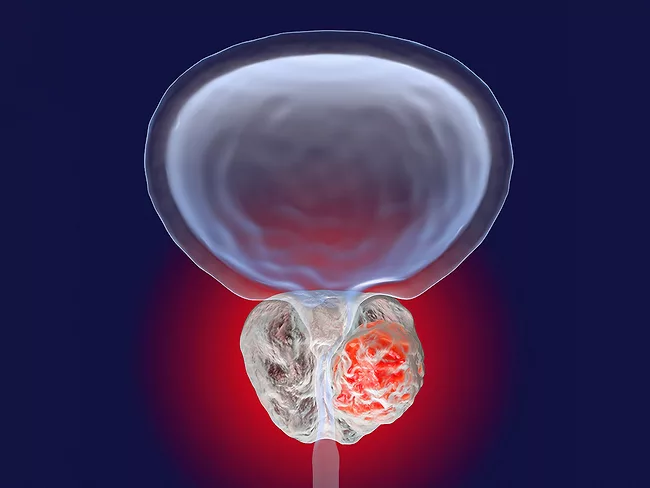
Archeus Technologies Inc. has obtained IND clearance from the FDA for ART-101, a novel receptor-based targeting small molecule for the imaging and treatment of prostate cancer.
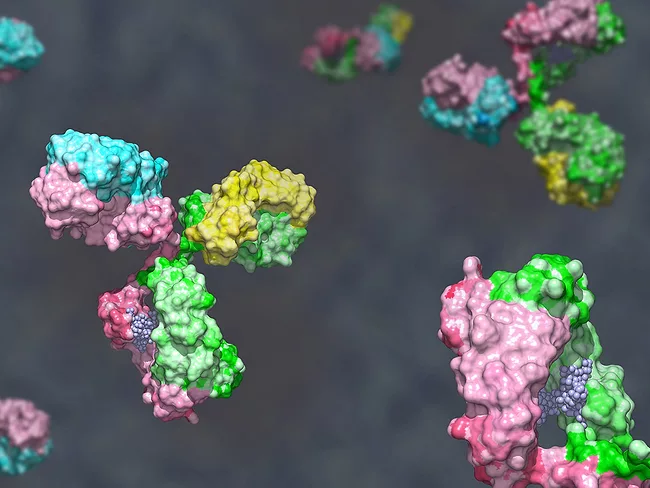
Harbour Biomed Ltd. has established a global strategic collaboration with Otsuka Pharmaceutical Co. Ltd. to advance BCMAxCD3 bispecific T-cell engagers for the treatment of autoimmune diseases.
Aptevo Therapeutics Inc. has added a preclinical candidate, APVO-455, to its portfolio of CD3-directed candidates built on the CRIS-7-derived CD3 binding domain.
Chimeric antigen receptor (CAR) T-cell therapy has been a game changer in the treatment of B-cell malignancies, although their manufacturing process is complex and needs lymphodepletion, thus limiting their use. Researchers from Capstan Therapeutics Inc. have recently published data regarding an in vivo engineering approach to generate CAR T cells using targeted lipid nanoparticles (LNPs) for mRNA delivery to specific T-cell populations for the treatment of cancer and B-cell-mediated autoimmune diseases.
Despite raising the price of its IPO twice, Caris Life Sciences Inc. left money on the table with a 33% increase in price as soon as trading commenced on the Nasdaq, though no one is squawking about raising nearly $500 million. The cancer diagnostics company initially priced its IPO at $16 to $18, then raised it to $19 to $20, before closing on a price of $21 per share. As management rang the bell for the start of trade on June 18, shares began trading at $28.
Shanghai Yao Yuan Biotechnology Ltd., also known as Drug Farm, is advancing a portfolio of immune-modulating therapies for various indications including hepatitis B virus, hepatocellular cancer and a relatively new rare genetic disease called ROSAH, an acronym for retinal dystrophy, optic nerve edema, splenomegaly, anhidrosis, and headache.

 RSS
RSS