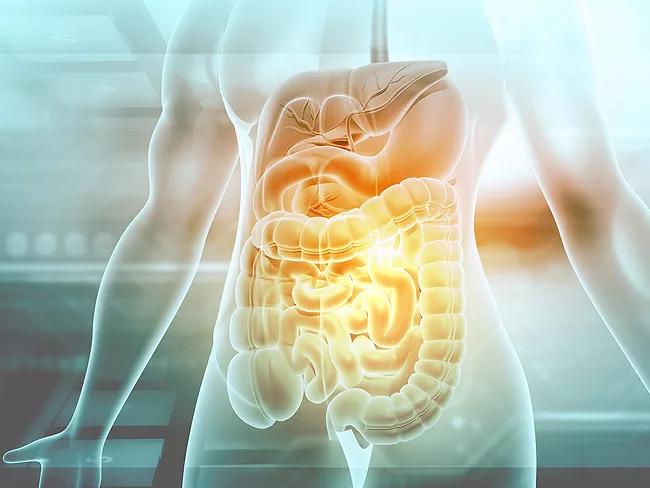
Cadherin 17 (CDH17) is a membrane-bound cell adhesion molecule involved in tumor cell proliferation and is selectively overexpressed in several gastrointestinal malignancies, including colorectal cancer, gastric cancer and pancreatic cancer.
Formosa Pharmaceuticals Inc. and Almac Discovery Ltd. have announced a global licensing agreement for development and commercialization of ALM-401, a first-in-class engineered bispecific antibody-drug conjugate (ADC) for the treatment of solid tumors characterized by the dual expression of EGFR and ROR1.
South Korea’s Ministry of Food and Drug Safety approved 18 biosimilar products in 2024, making it a record year for domestic biosimilar approvals since the agency’s first nod of Celltrion Inc.’s Remsima, a reference product of Remicade (infliximab), in 2012.
Shanghai-based D3 Bio (Wuxi) Co. Ltd. showed positive results for its lead candidate, next-generation KRAS G12C inhibitor, D3S-001, also known as elisrasib, in patients with KRAS G12C mutation cancers, including patients previously treated with first-generation KRAS G12C inhibitors. Presented at the American Association for Cancer Research (AACR 2025) meeting on April 29, the data were simultaneously published in Nature Medicine.
Immutep Ltd. announced strong median overall survival of 17.6 months in cohort B of the TACTI-003 (Keynote-PNC-34) phase IIb trial that evaluated eftilagimod alfa in combination with Merck & Co.’s Keytruda (pembrolizumab) as first-line therapy in recurrent/metastatic head and neck squamous cell carcinoma in patients with PD-L1 expression below 1.
Actuate Therapeutics Inc. said its lead candidate, elraglusib, in pancreatic cancer demonstrated a substantial improvement in median overall survival compared to data from the same phase II study released in December 2024, but it wasn’t enough to convince investors.
Scientists at University of Connecticut and University of Iowa have described phosphonamidate prodrugs reported to be useful for the treatment of cancer.
Jiangsu Simcere Pharmaceutical Co. Ltd. has identified proteolysis targeting chimera (PROTAC) compounds comprising an E3 ubiquitin-protein ligase binding moiety coupled to an interleukin-1 receptor-associated kinase 4 (IRAK-4)-targeting moiety through a linker reported to be useful for the treatment of cancer, neurodegeneration, infections, autoimmune and inflammatory disorders.
Nutshell Therapeutics Inc. has synthesized deuterated indolizine compounds acting as cellular tumor antigen p53 (TP53) (Y220C mutant) reactivators reported to be useful for the treatment of cancer.
 RSS
RSS