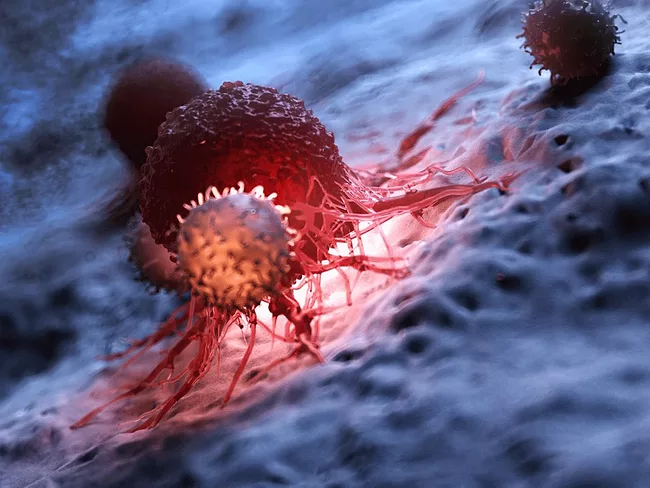
Researchers from the Innovation Program of Drug Research on Inflammatory and Immune Diseases at NMPA Key (China) and collaborators aimed to further investigate the impact of Src homology phosphatase 2 (SHP2) on breast cancer-induced bone destruction.
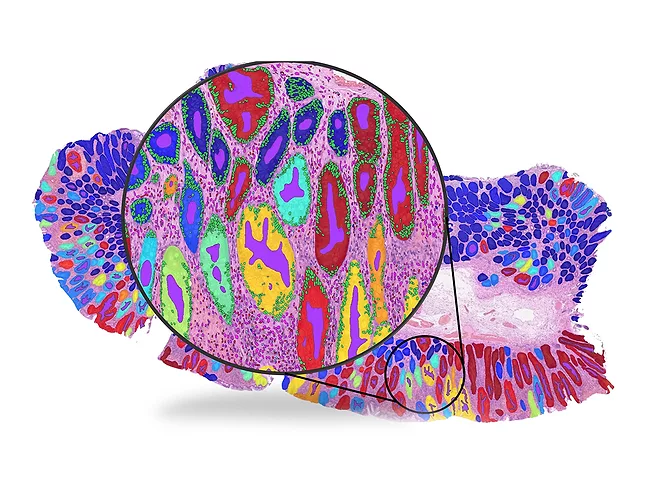
Computational pathology, which assesses molecular-level features of diseases directly from tissue images (rather than testing the tissue via methods such as staining or sequencing) is making rapid strides.
Therapex Co. Ltd. has identified pyrimidine derivatives acting as EGFR (HER1; erbB1) mutant inhibitors described as potentially useful for the treatment of cancer.
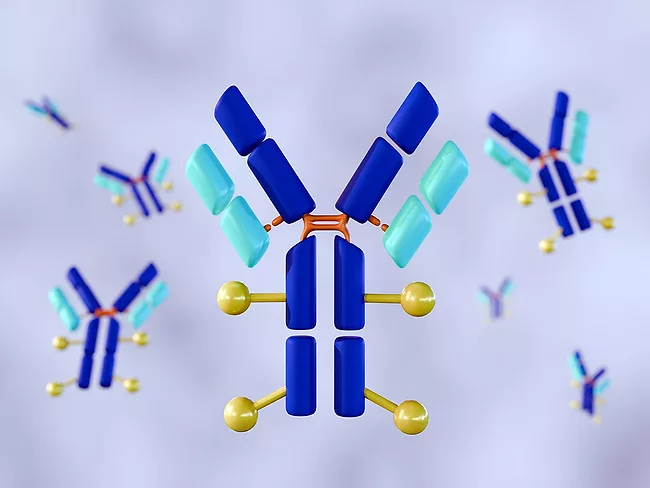
Researchers from Sutro Biopharma Inc. presented data on dual-payload antibody-drug conjugates (ADCs) engineered to overcome drug resistance, demonstrating enhanced cytotoxicity and potential efficacy in resistant cancer models.
Mitogen-activated protein kinase kinase kinase kinase 1 (HPK1) is a serine/threonine protein kinase that is expressed in the hematopoietic compartment, exerting regulatory functions in myeloid and innate immune cells. It has been associated with decreased T-cell activation and proliferation.
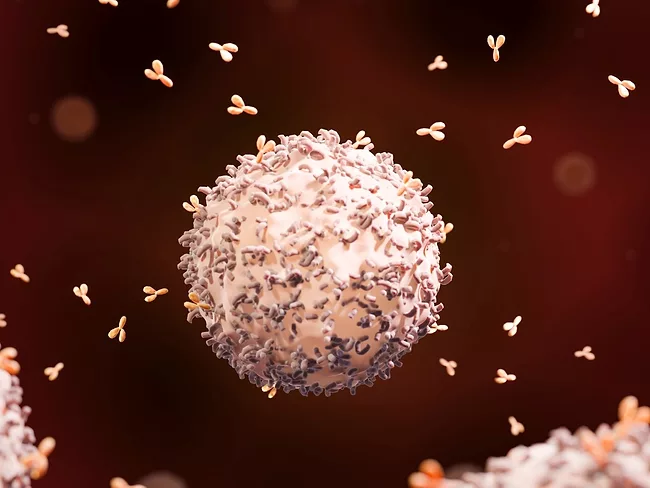
Autoantibodies and B cells are drivers of progressive autoimmune diseases, but targeting B cells or plasma cells alone is not sufficient to address them. Earendil Labs has presented data on HXN-1031, a novel T-cell engager targeting both CD19 and B-cell maturation protein (BCMA).
CAR T cells have been groundbreaking for the treatment of B-cell cancers. But 8 years after Kymriah (tisagenlecleucel, Novartis AG) became the first CAR T-cell therapy to be approved, there are no CAR Ts approved for solid tumors.
In a boon for licensee Bristol Myers Squibb Co., Systimmune Inc.’s next-generation cancer drug, izalontamab brengitecan (iza-bren), hit both progression-free survival and overall survival endpoints in a phase III trial of Chinese patients with advanced triple-negative breast cancer.

 RSS
RSS