Although analysts liked the data – calling them “truly amazing” and “transformational” – Wall Street apparently had qualms about three cancer cases that turned up in phase III top-line data from the Abtect maintenance trial with obefazimod. Paris-based Abivax SA’s oral, first-in-class miRNA-124 enhancer performed well in adults with moderately to severely active ulcerative colitis (UC), but shares of (NASDAQ:ABVX) closed June 2 at $72.50, down 44%, or $57.19.
At the 2026 American Society of Clinical Oncology annual meeting, multiple companies presented data for their drugs targeting WEE1, a checkpoint for the transition from G2 into mitosis. Aprea Therapeutics Inc. presented phase 1 data for its WEE1 inhibitor APR-1051 in patients with advanced solid tumors showing two patients with endometrial cancers achieved partial responses in the dose-escalation study. Likewise, Zentalis Pharmaceuticals Inc. had tantalizing early results from a phase Ib study showing azenosertib plus paclitaxel in patients with platinum-resistant ovarian cancer produced an overall response rate of 39% with a median progression-free survival of 7.3 months.
Iovance Biotherapeutics Inc. has received IND clearance from the FDA for IOV-5001, a next-generation interleukin-12 (IL-12)-tethered tumor-infiltrating lymphocyte (TIL) therapy.
Waypoint Bio has closed a $20 million series A financing round to support its work developing next-generation in vivo CAR T therapeutics for solid tumors using a platform that integrates AI, computer vision and spatial pooled screening.
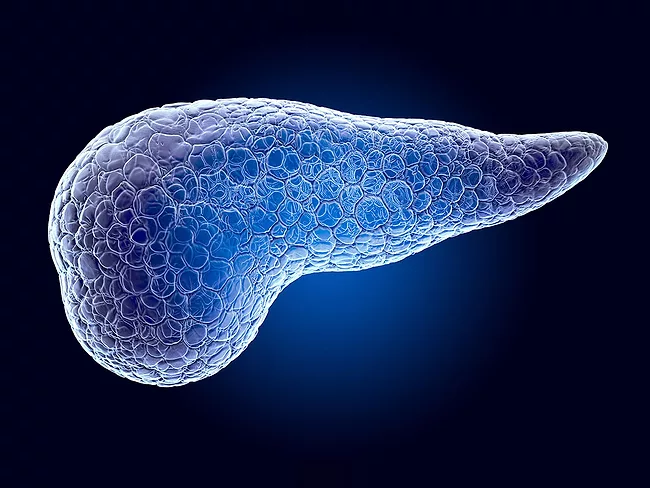
At the 2026 American Society of Clinical Oncology (ASCO) Annual Meeting, Revolution Medicines Inc. followed up its stellar top-line data with the details from the phase III RASolute 302 study of its pan-RAS inhibitor daraxonrasib in patients with previously treated, metastatic pancreatic ductal adenocarcinoma. The results were simultaneously published in The New England Journal of Medicine.
New data from Grail Inc.’s randomized study of its Galleri multicancer early detection test could not alter the fact that the U.K. trial missed the primary endpoint of reducing the number of cancers diagnosed at stage III and stage IV. But the company is now suggesting that discounting the initial screen, when most late stage cancers were detected, would be more representative of a real-life steady state screening program.
Multiple companies are chasing Akeso Inc. and Summit Therapeutics Inc. in the battle to potentially dethrone Keytruda (pembrolizumab, Merck & Co. Inc.) as the top cancer immunotherapy for patients with non-small-cell lung cancer with bispecific antibodies targeting PD-(L)1 and VEGF.
 RSS
RSS