AGEN-1721 was designed as an Fc-enhanced bifunctional antibody to selectively target FAP and neutralize TGF-β via an optimized TGF-βR2 TRAP moiety fused to an engineered Fc region, with the aim of maximizing effector functions.
Researchers from SL Bigen Inc. and collaborators presented the preclinical characterization of BM-205, a novel entity of engineered MSCs designed to exert antitumor functions.
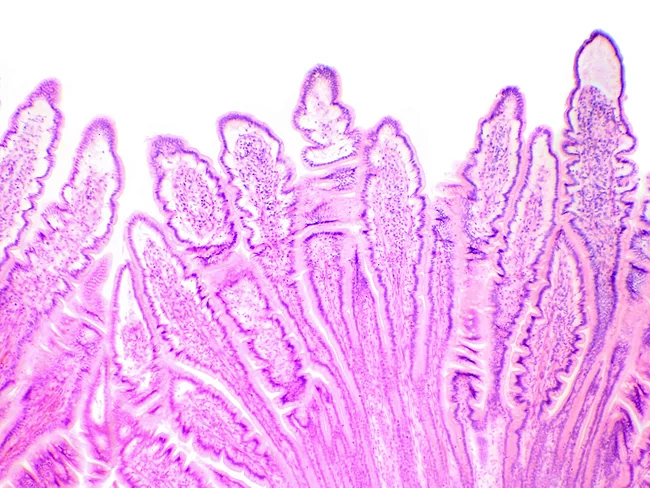
By comparing the transcriptomic profile of tissue regeneration after induced damage in the small intestine and colon with their transcriptomic landscape in their steady state, researchers have identified a pathway that unlinks tissue regeneration from tumorigenesis.
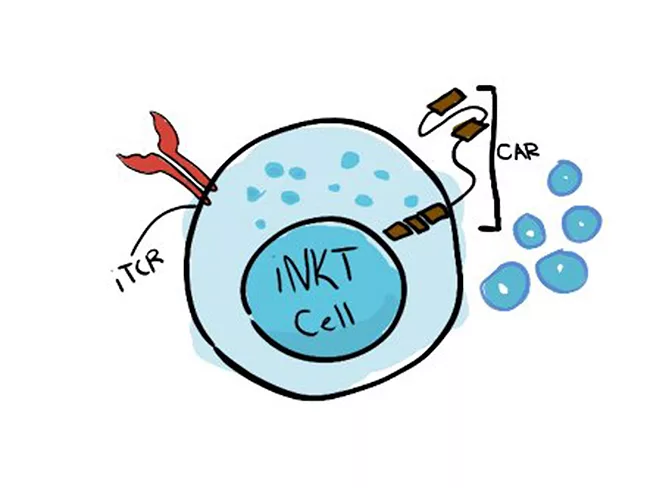
Arovella Therapeutics Ltd. is heading toward the clinic with its lead product, ALA-101, which consists of a chimeric antigen receptor (CAR) targeting CD19 and invariant natural killer T (iNKT) cells.
Genesis Therapeutics Inc. has divulged phosphatidylinositol 3-kinase alpha (PI3Kα) (H1047R mutant) inhibitors reported to be useful for the treatment of cancer.
Matchpoint Therapeutics Inc. has synthesized new diazepino-thieno-quinoxaline compounds acting as MAP kinase-activated protein kinase 2 (MAPKAPK2; MK2) inhibitors reported to be useful for the treatment of cancer and inflammatory disorders.
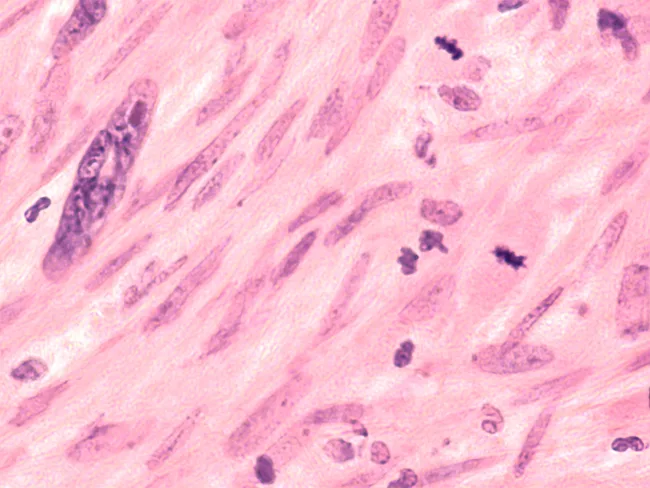
Investigators from the University of Turin have developed and characterized a new murine immunocompetent model of Usp18-knockout leiomyosarcoma (LMS). LMS is a rare malignant soft tissue cancer with limited therapeutic options when in advanced stages.
Compared to normal tissues, where the expression of ULBP2/5/6 protein is restricted, in non-small-cell lung cancer (NSCLC), head and neck cancer and squamous urothelial carcinoma, the levels of ULBP2/5/6 remain high even following relapse from standard-of-care therapies and is retained in metastatic lesions. Besides, these squamous cell cancers showed a high proportion of CD2+ tumor-infiltrating lymphocytes compared to other co-stimulatory receptors.
Oxford Nanopore Technologies Ltd. has established a new collaboration with UK Biobank to create the world’s first comprehensive, large-scale epigenetic dataset. The project will utilize Oxford Nanopore’s DNA/RNA sequencing technology to map the epigenome of 50,000 blood samples from UK Biobank to unlock insights into disease mechanisms, with the aim of improving patient outcomes.

 RSS
RSS