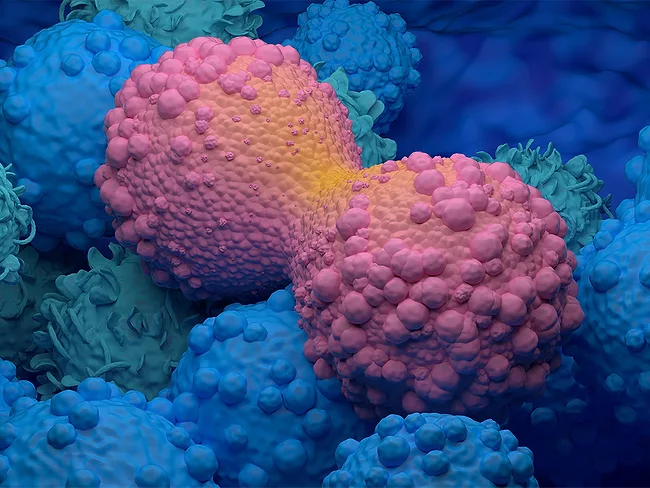
In breast cancer, neoadjuvant chemotherapy reduces the tumor before surgery. However, the response to this treatment does not depend solely on the subtype of malignancies. Other factors could play a key role in its effectiveness, as shown in a study that described how the estrous cycle phases contribute to this variation.
In breast cancer, neoadjuvant chemotherapy reduces the tumor before surgery. However, the response to this treatment does not depend solely on the subtype of malignancies. Other factors could play a key role in its effectiveness, as shown in a study that described how the estrous cycle phases contribute to this variation. The researchers propose adjusting the approach to the most suitable moment for patients.
Merus NV gained accelerated U.S. FDA approval of Bizengri (zenocutuzumab) as the first and only targeted therapy indicated for NRG1-positive pancreatic adenocarcinoma and non-small-cell lung cancer patients with advanced unresectable or metastatic disease. The approval came about seven months after the FDA accepted the BLA for filing under priority review, and two months ahead of the PDUFA goal date of Feb. 4, 2025, which had been extended by three months in November as the agency reviewed CMC information submitted in response to its request.
Seeking accelerated approval as a fallback when clinical evidence is not quite strong enough for traditional approval appears destined for the dustbins of history.
Among the drug developers with clinical results featured at the annual meeting of the Society for Urologic Oncology (SUO) in Dallas were Protara Therapeutics Inc. with phase II numbers and CG Oncology Inc. with a phase III update. Protara’s shares (NASDAQ:TARA) closed Dec. 5 at $6.02, up $2.48, or 70%, having traded as high as $10.48 during the day. Less reactive was stock in CG (NASDAQ:CGON), which ended at $33.56, down $2.35.
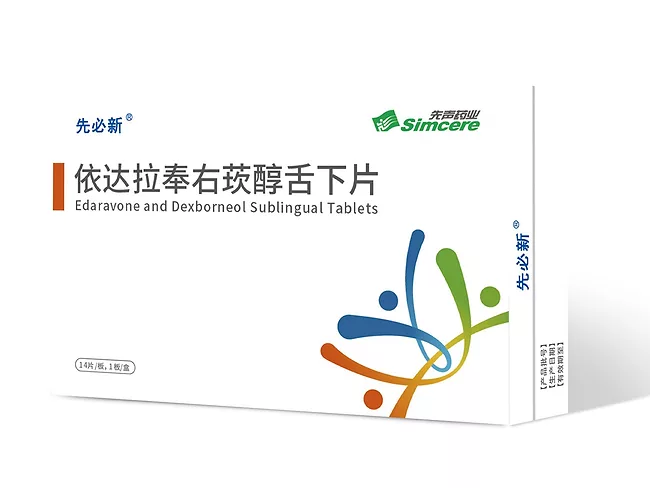
China’s National Medical Products Administration (NMPA) granted new approvals to several Chinese biopharmaceuticals this week, including expanding indications of four different cancer drugs and clearing one sublingual tablet for stroke.
Work at Foshan Ionova Biotherapeutics Co. Ltd., Guangdong Touchstone Translational Research Institute Co. Ltd. and Shenzhen Ionova Life Science Co. Ltd. has led to the discovery of new cholesterol side-chain cleavage enzyme, mitochondrial (CYP11A1) inhibitors reported to be useful for the treatment of breast cancer and castration-resistant prostate cancer.
A Jiangsu Hengrui Medicine Co. Ltd. and Tianjin Hengrui Medicine Co. Ltd. patent describes new fibroblast activation protein-α (FAP-α) inhibitors comprising a chelator and a radiolabeled compound potentially useful for the diagnosis and treatment of cancer.
Glenmark Pharmaceuticals Ltd. has synthesized substituted biphenyl compounds acting as E3 ubiquitin-protein ligase CBL-B (CBLB) inhibitors reported to be useful for the treatment of cancer.
Glioblastomas (GBMs) are the most malignant brain tumors and remain uncurable. Even after therapy, some glioblastoma stem cells (GSCs) survive in the brain parenchyma and cause tumor recurrence.
 RSS
RSS