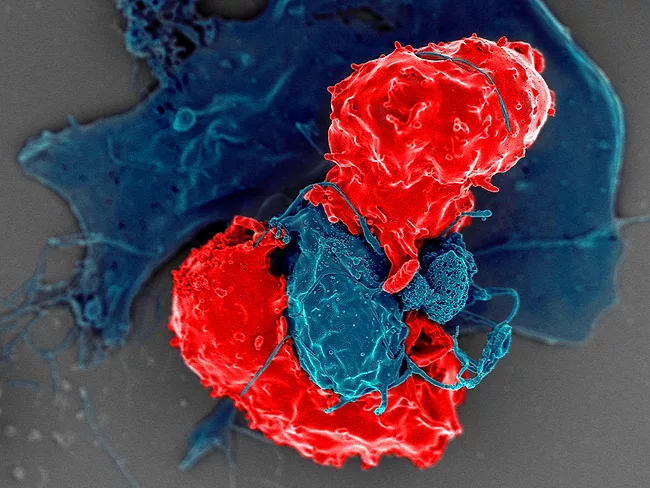
Domain Therapeutics SA has nominated a novel drug candidate, DT-7012, an anti-CCR8 monoclonal antibody depleting tumor-infiltrating regulatory T cells (Tregs).
Glioblastoma is a particularly aggressive form of brain cancer characterized by rapid infiltration into surrounding brain tissue, especially in areas of increased neuronal activity. Neurons and nerve fibers have recently been identified as vital components of the tumor microenvironment that favor the initiation and progression of a variety of solid tumors, including gliomas. Researchers have gained new insights into the molecular mechanisms driving glioblastoma infiltration and identified subtypes of neurons that serve as the substrate for driving tumor progression.
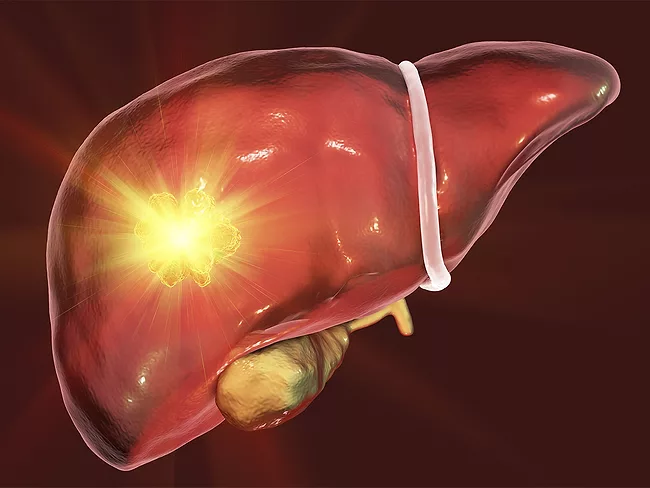
Lion TCR Pte. Ltd. raised $40 million in series B funding that will see the company advance its clinical trial program for its hepatitis B virus (HBV)-specific T-cell receptor (TCR) cell therapy for HBV-related liver cancer.
Isotope Technologies Munich SE (ITM) raised $280 million to support the expansion of its broad targeted radionuclide therapies oncology pipeline. This equity investment round was led by Temasek holdings Pte Ltd. with participation from Blackrock Alternatives, Qatar Investment Authority, Nextech Invest Ltd., Athos KG and Carbyne Equity Partners GmbH.
Sortina Pharma AB has divulged sortilin (NT3; Gp95) antagonists reported to be useful for the treatment of cancer, Alzheimer's disease and Parkinson's disease.
Centro Nacional de Investigaciones Oncológicas Carlos III (CNIO) has identified Pim kinase inhibitors reported to be useful for the treatment of cancer.
Boehringer Ingelheim Pharma GmbH & Co. KG and Vanderbilt University have synthesized annulated 2-amino-3-cyano thiophenes and derivatives acting as KRAS GTPase and its mutant inhibitors reported to be useful for the treatment of cancer.
Researchers at Jiangsu Hansoh Pharmaceutical Group Co. Ltd. and Shanghai Hansoh Biomedical Co. Ltd. have disclosed phosphatidylinositol 3-kinase (PI3K) inhibitors reported to be useful for the treatment of cancer and more.
Researchers from Shenyang Pharmaceutical University and affiliated organizations presented the discovery of novel tubulin polymerization inhibitors as potential anticancer drug candidates.
A single low-dose injection with anti-DLL4 in a nonhuman primate model of acute graft-vs.-host disease (aGVHD) dramatically improved post-transplant survival, providing durable protection from otherwise lethal gastrointestinal GVHD, researchers reported in the June 28, 2023, issue of Science Translational Medicine. Blocking DLL4 specifically increased the migration of beneficial regulatory T cells into the intestines, with concomitant reduction in effector T cells, which are the main culprits in aGVHD. Ultimately, these activities effectively provided protection against T-cell-mediated damage in a nonhuman macaque primate model.
 RSS
RSS