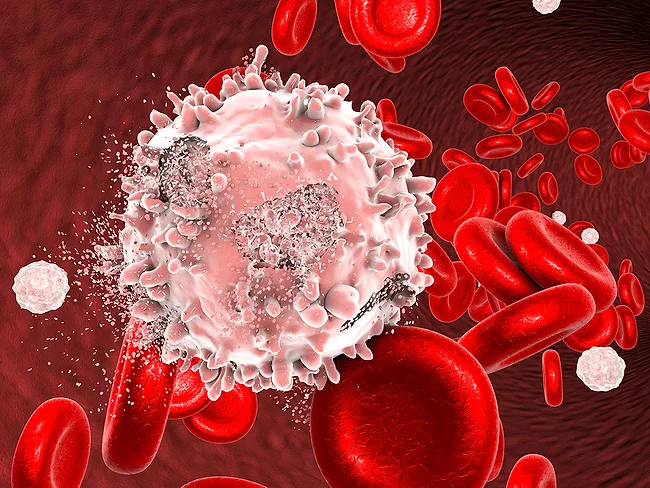
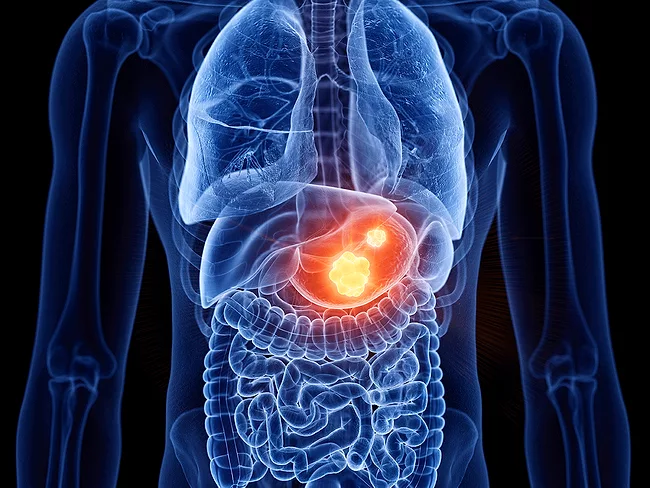
To build on its hematology pipeline in treating blood cancers, Astrazeneca plc is acquiring Teneotwo Inc. in a deal that could reach $1.27 billion. Teneotwo is part of Ancora Biotech LLC, which has some other affiliate Tens in the stable, including Teneofour Inc. That company is developing TNB-738, an anti-CD38 enzyme inhibitor. Teneoten Inc. is developing an anti-HBV/CD3 therapy. Both are available for partnering or sale, Ben Buelow, Ancora co-founder, told BioWorld. He co-founded the company with this father, Roland.
Sunshine Guojian Pharmaceutical Co. Ltd. has granted Xiling Lab Pharmaceutical Co. Ltd. global rights to develop and commercialize the trastuzumab biosimilar Cipterbin (inetetamab) for antibody-drug conjugates (ADC) in a ¥1.03 billion (US$153 million) deal.
Immuno-oncology company Imugene Ltd. reported median overall survival for patients receiving HER-Vaxx plus chemotherapy was 13.9 months compared to 8.3 months in patients treated with chemotherapy alone in its phase II study in HER2/neu overexpressing advanced gastric cancer.
Shanghai Henlius Biotech Inc. has inked a deal to acquire greater China rights for two cancer-focused bifunctional sialidase programs from Palleon Pharmaceuticals Inc. In return, Palleon will receive an unspecified up-front payment and is eligible for up to $196.5 million in milestone payments.
As an ever-increasing share of companies seek signs of efficacy for investigational drugs in early stage studies, single-arm trials to confirm those effects and support marketing applications are also becoming more common. Now, China’s Center for Drug Evaluation has released draft guidelines on how single-arm trials can be regulated, used to support the new drug application for cancer drugs, and accelerate oncology drug development.
Akeso Inc. has been given the green light by China’s NMPA for its PD-1/CTLA-4 antibody Kaitanni (cadonilimab), which was approved for the treatment of patients with relapsed or metastatic cervical cancer whose disease has progressed on or after platinum-based chemotherapy.
Researchers have identified an RNA-binding protein that played a role in colon cancer relapse, offering new insights into how cells persist in the presence of chemotherapy.
 RSS
RSS