To Ivan Oransky, China’s paper-mill problem is best understood as an incentives story. “This is literally organized crime,” the Retraction Watch co-founder told BioWorld. “Follow the money. When there’s an opportunity to make money, they will find it, and if your whole career is based on how often you publish and what journals you publish in and how often you’re cited, it’s not surprising that leads to bad behavior.”
Beijing Avistone Pharmaceuticals Biotechnology Co. Ltd. has reported new GTPase KRAS mutant inhibitors potentially useful for the treatment of cancer, immunological and inflammatory disorders.
The University of Edinburgh has disclosed new benzoxazol mammalian target of rapamycin (mTOR; FRAP1) inhibitors potentially useful for the treatment of cancer, autoimmune, metabolic diseases, fibrosis, parasitic infections, genetic, inflammatory and neurological disorders.
Focal adhesion kinase (FAK), a key mediator of cell adhesion and migration, is frequently upregulated in glioblastoma (GBM), where its activity has been associated with increased tumor invasiveness and disease aggressiveness.
The compound potently inhibited PGK1 in vitro, producing dose-dependent suppression in both a direct PGK1 inhibition assay and a PGK1 glycolytic activity assay.
To Ivan Oransky, China’s paper-mill problem is best understood as an incentives story. “This is literally organized crime,” the Retraction Watch co-founder told BioWorld. “Follow the money. When there’s an opportunity to make money, they will find it, and if your whole career is based on how often you publish and what journals you publish in and how often you’re cited, it’s not surprising that leads to bad behavior.”
With more and more approved products, cell and gene therapies (CGTs) are moving from the initial stronghold in academic medical centers, and these complex biologics are now available across a wider network of treatment centers.
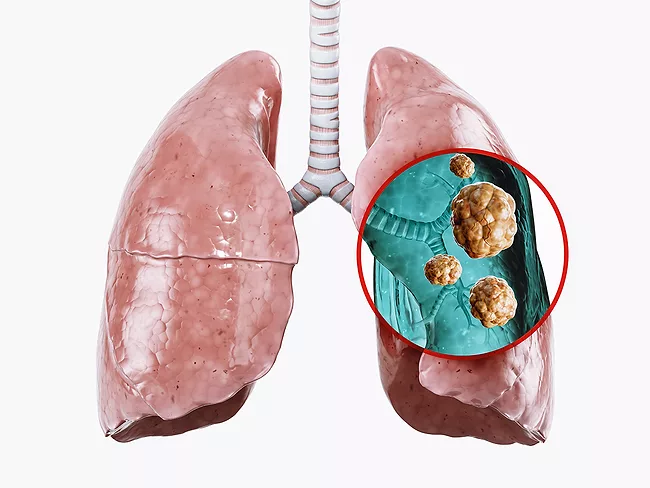
Roche Holding AG’s Genentech unit achieved superior phase III results with its KRAS G12C inhibitor divarasib over approved therapies in previously treated non-small-cell lung (NSCLC) cancer patients.
 RSS
RSS