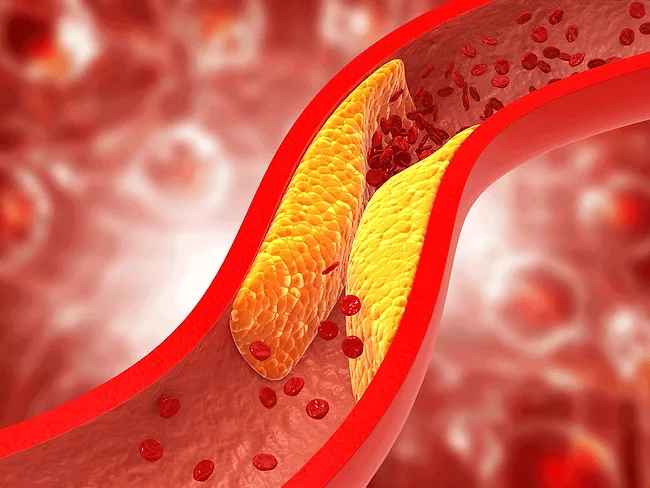
The combination of two sequencing techniques has unveiled features of a subpopulation of cells that could be producing plaques in atherosclerosis. This process is associated with an autoimmune component driven by CD4+ T cells, according to a study from researchers at Leiden University.
The combination of two sequencing techniques has unveiled features of a subpopulation of cells that could be producing plaques in atherosclerosis. This process is associated with an autoimmune component driven by CD4+ T cells, according to a study from researchers at Leiden University.
“I think that we can clearly say now that atherosclerosis is a very clear autoimmune component. It is a multifactorial disease, a combination of genes, and lifestyle, but also inflammation and the immune system,” Ilze Bot and Bram Slütter, associate professors at the Division of Biotherapeutics of Leiden University, told BioWorld.
Shengke Pharmaceuticals (Jiangsu) Ltd. has described proprotein convertase subtilisin/kexin-type 9 (PCSK9) inhibitors reported to be useful for the treatment of atherosclerosis, myocardial infarction, nonalcoholic steatohepatitis, stroke, type 2 diabetes, dyslipidemia, hyperphosphatemia and diabetic nephropathy.
Researchers from Cincinnati Children’s Hospital Medical Center have published data from a study that aimed to investigate the role of interleukin-33 (IL-33) in cardiac remodeling after acute kidney injury (AKI).
About 8% of the worldwide population carries the aldehyde dehydrogenase 2 (ALDH2) alcohol flushing variant (ALDH2*2, rs671), which has been tied to an increased risk of coronary artery disease (CAD) due to severe loss of ALDH2 enzymatic activity.
Heart failure still remains a leading cause of death worldwide. Improving risk stratification and prognostic analysis tools is required to aid in the management of the disease.
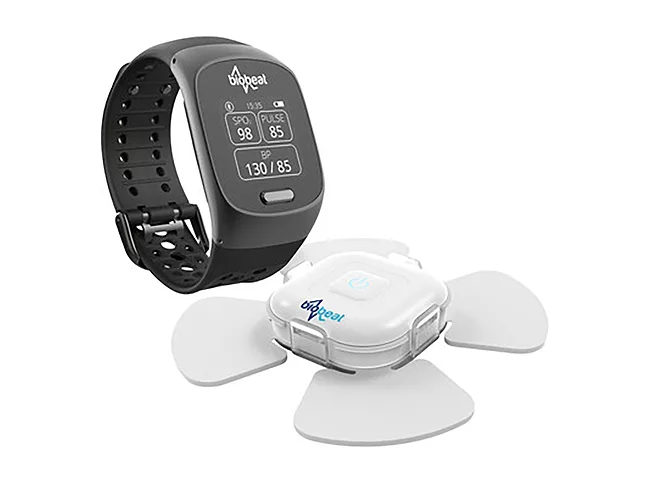
Biobeat Technologies Ltd. expanded its U.S. FDA-cleared remote patient monitoring offerings with a double nod from the agency for its sensors to monitor stroke volume and cardiac output. The two new indications join its capabilities for measuring the five vital signs assessed in any medical visit—blood pressure, blood oxygen saturation, pulse rate, respiratory rate and body temperature—all of which can be done using photoplethysmography (PPG) on sensors embedded on either a short-term chest patch or a more durable wrist monitor.
Coming off a tough year for raising money, Cadrenal Therapeutics Inc. is leading the charge into a new year by completing 2023’s first U.S. IPO. The company closed its IPO of 1.4 million shares at $5 each for $7 million. The stock (NASDAQ:CVKD) began trading Jan. 20 and closed 9.37% downward on Jan. 25 at $2.90 per share.
An analysis of more than 1,000 small molecules has identified dozens of compounds that could be effective to treat Marfan syndrome (MFS), an inherited disorder affecting connective tissue, primarily in the heart and blood vessels, the skeleton, and the eyes. In particular, the researchers from Cambridge University found that glycogen synthase kinase-3β (GSK-3β) could be a target to develop new therapies based on its inhibition.
 RSS
RSS