Carmat SA just completed a flash fundraising of $33 million to increase production of its Aeson total artificial heart and support sales growth in Europe. The operation featured two distinct but concurrent actions: a reserved offer and a public offer. The reserved offer, intended for specialist investors, raised $28.9 million.
Researchers in Japan may have found a way to repair cardiac damage in patients suffering from chronic heart attack and heart failure by reprogramming cardiac fibroblasts (CFs) to cardiomyocytes (CMs) in a mouse model of chronic myocardial infarction (MI). Published online Dec. 12, 2022, in Circulation, the study showed that by tweaking the expression of a few key genes, researchers could reverse the lasting damage caused by heart attacks.
A new acute coronary syndrome detection system developed by Neuome Peptides Pte. Ltd.’s aims to make tests for the frequently lethal condition faster, more precise and less invasive. Neuome’s Truheart is a point-of-care assay for cardiovascular disease that is used in the company’s established Instadetect assay development platform. The assay measures the biomarkers troponins I and T and myoglobin.
The U.S. False Claims Act (FCA) provides one of the more potent legal weapons in the federal government’s enforcement arsenal and three companies felt the sting of the FCA in the closing weeks of December 2022. Advanced Bionics LLC fell under the sway of the FCA related to allegations that it misused a performance standard in its premarket filing for cochlear implants, while Biotelemetry Inc. and its Cardionet LLC subsidiary will fork over more than $44 million for improper claims filed with the Medicare program.
Damage to the left ventricle may be more common than damage to its cousin on the other side, but right heart failure is still a unique syndrome with its own specific needs. Chuck Simonton, the chief medical officer at Abiomed Inc., told BioWorld that both the company and the U.S. FDA are keen to remind cardiologists that early detection and treatment of right heart failure vastly improves outcomes, including a huge reduction in mortality in these desperately ill patients.
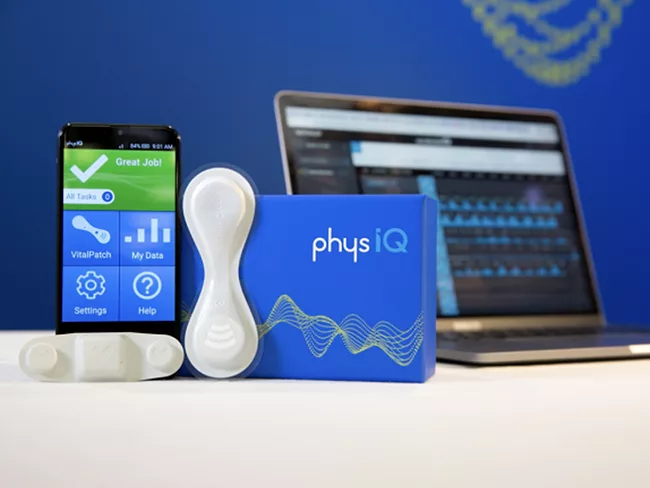
The move away from in-clinic testing continues, with another company offering a convenient, at-home sensor that gathers critical health information without requiring any change on the part of the patient, which may provide even more accurate, real-world data on patient health than the tests they replace.
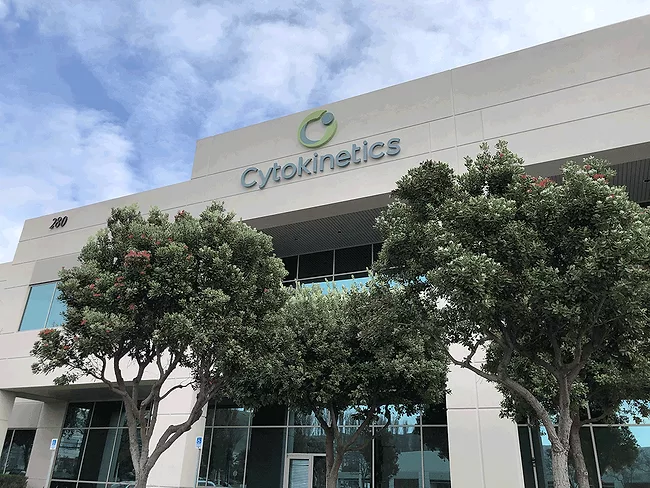
As the Feb. 28, 2023 PDUFA date for the compound nears, Cytokinetics Inc. CEO Robert Blum insisted that his firm is not mulling withdrawal of the marketing application for heart failure drug omecamtiv mecarbil, nor is the company now considering another study, after an unfavorable vote on the drug Dec. 13 by the U.S. FDA’s Cardiovascular and Renal Drugs Advisory Committee.
Even though Cytokinetics Inc. received applause for testing its heart failure drug, omecamtiv mecarbil, in the second largest global heart disease clinical trial ever, the drug didn’t get a standing ovation from the U.S. FDA’s Cardiovascular and Renal Drugs Advisory Committee (CRDAC) Dec. 13.
Severe toxicities associated with immune checkpoint inhibitor (ICI) therapy are a major challenge of this anticancer therapy approach. While myocarditis is a rare immune-related adverse event in patients receiving ICIs, it has a nearly 50% mortality rate and its pathogenesis is poorly understood. In the current study, researchers from Vanderbilt University and affiliated organizations published data from a study that evaluated a novel mouse model recapitulating clinical and pathological features of ICI-associated myocarditis (ICI-MC).
Boston Scientific Corp. offered $523 million in cash for 65% of Acotec Scientific Holdings Ltd., a manufacturer of vascular intervention devices. The acquisition would significantly expand Boston Scientific’s presence in China, which the company expects to account for about 25% of the global med-tech market by the end of the decade. The transaction is expected to close in the first half of 2023, subject to shareholder approval. The offer price of HK$20 or US$2.57 per share represents a premium of more than 31% over its close on Friday, Acotec reported.
 RSS
RSS