Another phase III failure of Theravance Biopharma Inc.’s norepinephrine reuptake inhibitor ampreloxetine to treat symptomatic neurogenic orthostatic hypotension, this time in patients with the rare disease multiple system atrophy, means the end of the company’s R&D efforts. Cutting its workforce in half and terminating all development of ampreloxetine, its only pipeline product, the Dublin-based company’s shares (NASDAQ:TBPH) sank by 26%, or $4.99, to close March 3 at $13.96.
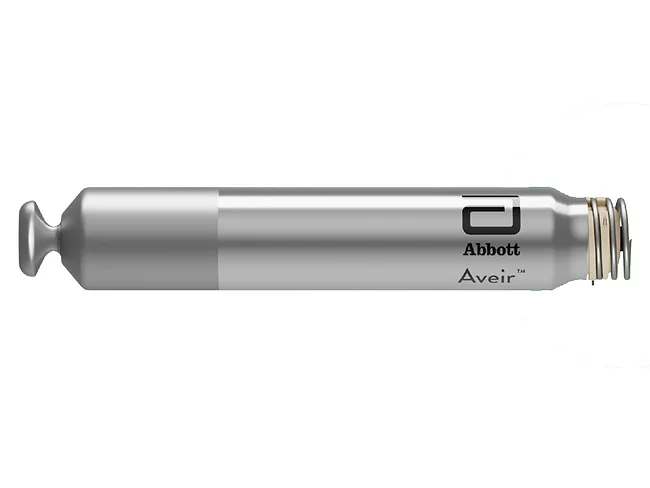
The U.K.’s National Institute for Health and Care Excellence (NICE) recommendation that leadless cardiac pacemakers be used as the standard of care for people with slow heart rhythms (bradyarrhythmias) is a boon for more than 2 million individuals living with the condition. The use of the technology will transform patients’ quality of life, reduce rates of infections and lower costs for the health care system.
Targeting rare cardiomyopathy conditions with no approved disease-modifying therapies, Atrium Therapeutics Inc. started operations in San Diego, assuming the public listing and technology once held by Avidity Biosciences Inc., an RNA company acquired by Novartis AG for about $12 billion. Novartis closed the M&A, announced last October, as Atrium unveiled its pipeline and a $270 million cash position.
Targeting rare cardiomyopathy conditions with no approved disease-modifying therapies, Atrium Therapeutics Inc. started operations in San Diego, assuming the public listing and technology once held by Avidity Biosciences Inc., an RNA company acquired by Novartis AG for about $12 billion. Novartis closed the M&A, announced last October, as Atrium unveiled its pipeline and a $270 million cash position.
China’s National Medical Products Administration has accepted for review Jiuyuan Genetic Biopharmaceutical Co. Ltd.’s drug application for Jikeqin, a biosimilar product to Novo Nordisk A/S’s Wegovy (semaglutide) for obesity.
Retex Pharmaceuticals Inc. has patented vasopressin V2 receptor antagonists potentially useful for the treatment of hyponatremia, cardiovascular disorders, autosomal dominant and autosomal recessive polycystic kidney.
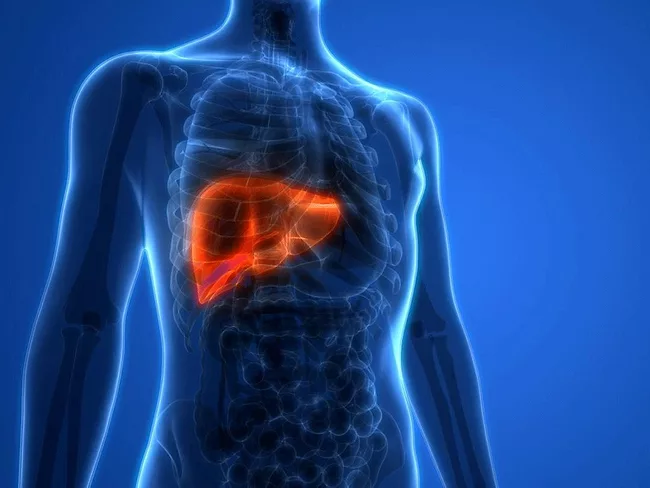
Hepatic ischemia-reperfusion injury (HIRI) is a severe pathologic condition associated with poor outcomes when individuals suffer from hemorrhagic shock, liver resection or transplantation surgery, leading to severe liver impairment and sometimes dysfunction in other organs. Chinese researchers have explored the potential of prolyl 3-hydroxylase OGFOD1 as a target for HIRI management, since it has been reported as a crucial regulator of gene expression, especially for translation.
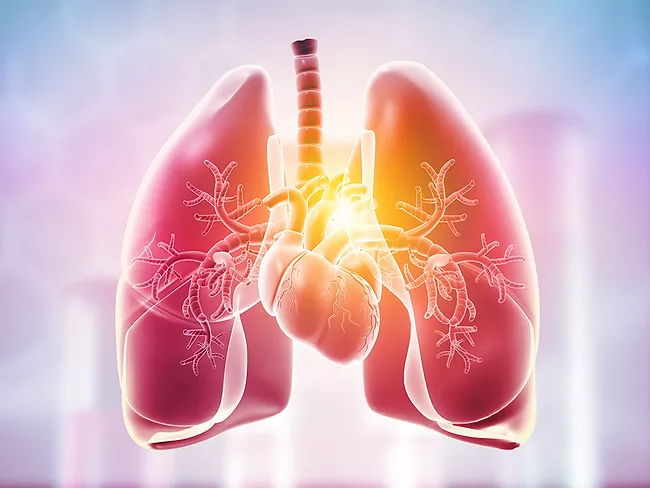
GSK plc is paying $950 million cash to acquire 100% of 35Pharma Inc.’s equity and pipeline, including phase II-ready candidate HS-235 for pulmonary hypertension. The acquisition agreement comes a day after GSK added two small interfering RNA assets from Nanjing, China-based Frontier Biotechnologies Inc. through a license deal reaching up to $1 billion.
CSL Ltd. is out-licensing its interleukin-6 (IL-6) monoclonal antibody, clazakizumab, to Eli Lilly and Co. in a deal that brings CSL $100 million in up-front fees. A CSL spokesperson told BioWorld the deal includes undisclosed milestone payments and sales-based royalties. CSL will retain rights to develop and commercialize clazakizumab for prevention of cardiovascular events in patients with end-stage kidney disease, while Lilly will explore the MAb in all other indications.
Swiss pharmaceutical giant Novartis AG is selling off its India-listed business unit, Novartis India Ltd. (NIL), to a private equity-led consortium for about ₹14.46 billion (US$159.3 million) as it seeks to grow with “pure-play innovation.”
 RSS
RSS