Neuraxis Inc. has initiated a clinical study to evaluate the efficacy of its IB-Stim neuromodulation system in treating children with post-concussion syndrome (PCS). The aim is to see whether IB-Stim can ease the constellation of symptoms that occur after mild traumatic brain injury such as headaches, dizziness and problems with concentration and memory.
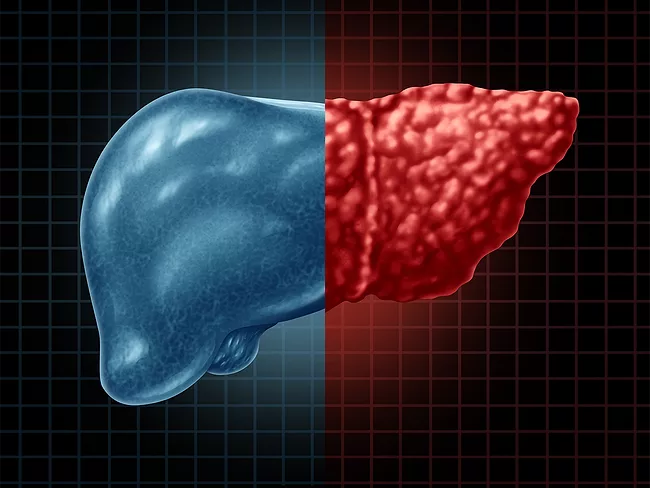
Researchers from Guangdong Pharmaceutical University and affiliated organizations have discovered novel farnesoid X receptor (FXR) agonists as candidates for the treatment of nonalcoholic steatohepatitis (NASH).
CCM Biosciences Inc. has launched with a focus on discovering and developing novel drugs, including small molecules, gene therapies, biologics and nanomedicines, and companion diagnostic tests.
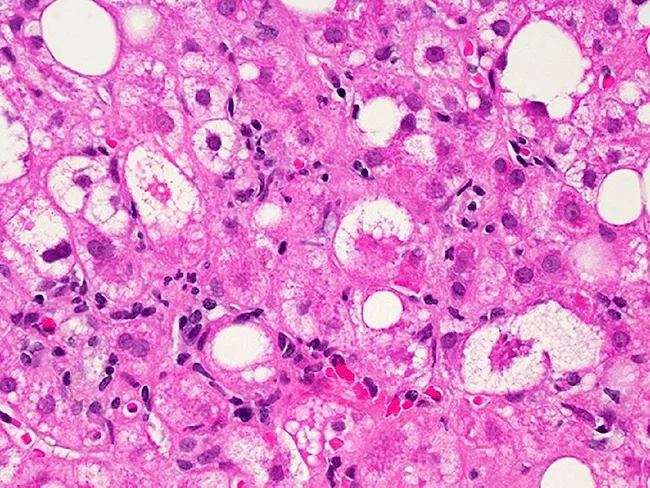
Nonalcoholic steatohepatitis (NASH) is a progressive form of nonalcoholic fatty liver disease with limited treatment options that can progress to more severe forms of liver damage such as cirrhosis or hepatocellular carcinoma. Targeting peroxisome proliferator-activated receptors (PPARs) with compounds such as elafibranor (GFT-505) is a feasible strategy for the prevention and treatment of NASH.
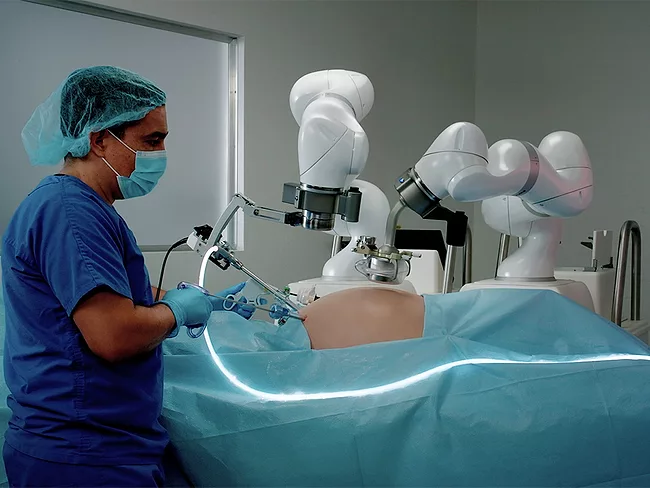
Levita Magnetics International Corp. received uplifting news this week as the U.S. FDA cleared its magnetic-Assisted Robotic Surgery (MARS) minimally invasive surgical platform. MARS builds on the company’s first product, the Levita magnetic surgical system, by providing greater control of surgical instruments to surgeons. The platform is cleared for use in bariatric, colorectal, gallbladder and prostate surgeries.
The vitamin D receptor (VDR) is a member of the nuclear receptor superfamily and a potential target for treating hepatic fibrosis. Several VDR agonists, classified as “secosteroidal” and “non-secosteroidal,” have been developed.
China Pharmaceutical University has divulged pyridoimidazole compounds acting as NLRP3 inflammasome and IL-1β (IL1B; IL-1β) inhibitors reported to be useful for the treatment of atherosclerosis, diabetes, neurodegeneration, gout, rheumatoid arthritis, chronic kidney, inflammatory bowel, and non-alcoholic fatty liver disease (NAFLD), among others.
Sichuan Good Doctor Panxi Pharmaceutical Co. Ltd. has identified polypeptides reported to be useful for the treatment of inflammatory bowel disease, ulcerative colitis, and dysbacteriosis.
A new drug that inhibits the glutamate carboxypeptidase II (GCPII) enzyme could be used to treat inflammatory bowel disease (IBD), according to a new study in mice and human organoids. After decades of research trying to design GCPII inhibitors against neurological disorders, the new compound could be effective for another use.
 RSS
RSS