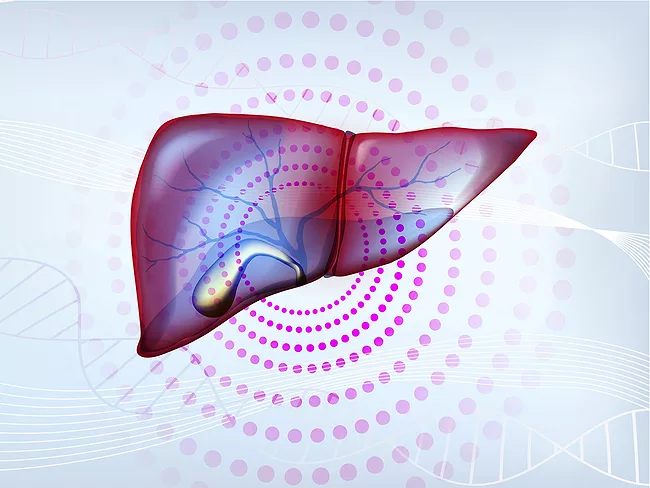
Hopes raised by the phase IIb Harmony study with FGF21 analogue efruxifermin (EFX) in pre-cirrhotic nonalcoholic steatohepatitis (NASH), which appeared in a scientific journal last week, were less than fulfilled as Akero Therapeutics Inc. rolled out disappointing 36-week results from another, same-stage trial called Symmetry in NASH patients with cirrhosis. The company is forging ahead with U.S. FDA talks to figure out how a phase III effort might be designed.
Sosei Group Corp. and Verily Life Sciences LLC, an Alphabet company, have announced the successful validation and nomination of a first G protein-coupled receptor (GPCR) target into early drug discovery for immune-mediated diseases with an initial indication focus of inflammatory bowel disease (IBD).
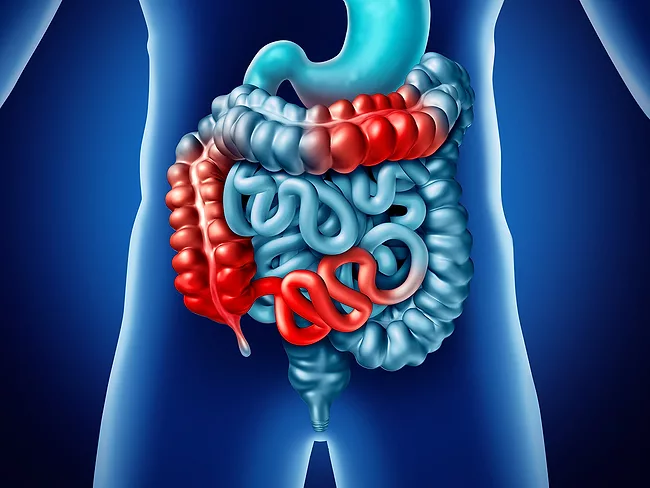
Teva Pharmaceutical Industries Ltd. is partnering with Sanofi SA in a 50-50 collaboration to develop and commercialize its anti-TL1A candidate, TEV ‘574, initially for inflammatory bowel disease (IBD), in a deal that comes with an up-front payment of €469 million (US$500 million) and up to €940 million in development and launch milestones.
Teva Pharmaceutical Industries Ltd. is partnering with Sanofi SA in a 50-50 collaboration to develop and commercialize its anti-TL1A candidate, TEV ‘574, initially for inflammatory bowel disease (IBD), in a deal that comes with an up-front payment of €469 million (US$500 million) and up to €940 million in development and launch milestones.
Neuroimmune modulation using vagus nerve stimulation (VNS) reduced Crohn’s disease symptoms and improved patient quality of life, a study published in the Journal of Crohn’s and Colitis found. The research by Setpoint Medical Corp. could provide a better option for patients with the autoimmune disorder than biologics, which often fail to work over time and can cause significant adverse effects.
Three months after Intercept Pharmaceuticals Inc. received its second complete response letter for obeticholic acid to treat fibrosis due to nonalcoholic steatohepatitis, causing a mass layoff and the decision to drop development for the indication, Bologna, Italy-based Alfasigma SpA agreed to acquire the company for $19 per share in cash, or about $793.8 million.
Inventiva SA is getting $10 million up front and the possibility of $231 in clinical, regulatory and commercial milestones by exclusively licensing its nonalcoholic steatohepatitis (NASH) candidate, lanifibranor, to Hepalys Pharma Inc. to sell in Japan and South Korea, two massive markets for the indication.
Bariatek Medical SA’s team of inventors reported on a patent for a delivery system for introducing or deploying a gastrointestinal implant, particularly a bypass sleeve used to treat obesity and diabetes.
Inventiva SA is getting $10 million up front and the possibility of $231 in clinical, regulatory and commercial milestones by exclusively licensing its nonalcoholic steatohepatitis (NASH) candidate, lanifibranor, to Hepalys Pharma Inc. to sell in Japan and South Korea, two massive markets for the indication.
Genflow Biosciences plc has received correspondence from Belgium’s Federal Agency for Medicines and Health Products (FAHMP) with a recommendation to initiate a phase I/II trial of GF-1002 in patients with nonalcoholic steatohepatitis (NASH), rather than in healthy volunteers.
 RSS
RSS