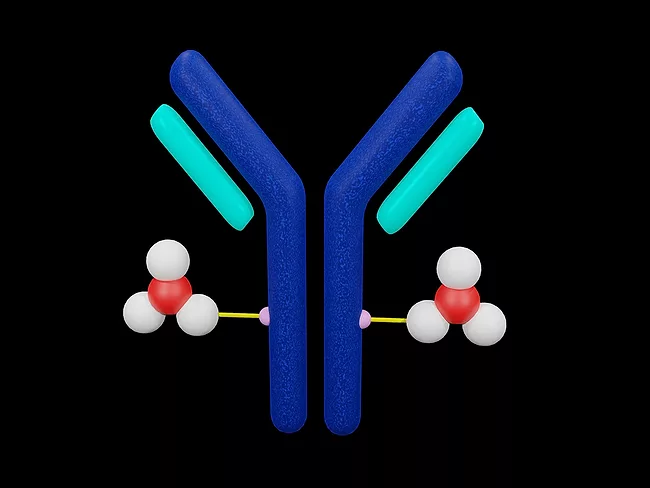
Innate Pharma SA inked a licensing deal that grants Takeda Pharmaceutical Co Ltd exclusive worldwide rights to research and develop antibody-drug conjugates using a panel of selected Innate antibodies against an undisclosed target, with a primary focus in celiac disease.
Primary biliary cholangitis (PBC) is the most common autoimmune liver disease; several genome-wide association studies have suggested chromosome locus 19p13.3 is associated with PBC pathology. Chinese researchers conducted a case-control study to unveil genetic variants in the 19p13.3 locus associated with PBC. The meta-analysis included 1,931 individuals with PBC and 7,852 controls.
Eli Lilly and Co. has described aryl hydrocarbon receptor (AhR) agonists reported to be useful for the treatment of psoriasis, ulcerative colitis, Crohn’s disease, graft-vs.-host disease and multiple sclerosis.
The role of G protein-coupled receptor 35 (GPR35) in gastrointestinal (GI) diseases has been genetically validated for some time, with several pharmaceutical companies advancing programs designed to tackle the target; however, most of these efforts to date have focused on increasing GPR35 activity. ThirtyFiveBio’s approach is different: The newly founded virtual biotech company believes that antagonizing the target and thereby blocking unwanted GPR35 signaling may be a more appropriate way to address GI conditions, including digestive tract cancers.
Metabolic-associated fatty liver disease (MAFLD) is a condition that encompasses a range of liver disorders, from steatosis to fibrosis. In a recent study, researchers investigated the role of phosphoenolpyruvate carboxykinase 1 (PCK1) in MAFLD progression in vivo. This work found that deficiency of the gluconeogenic enzyme PCK1 promoted the development of MAFLD through activation of the PI3K/AKT/PDGF axis.
A rare cell type in the gut, the enterochromaffin (EC) cell, drove both gut discomfort and anxiety symptoms in animal models of gastrointestinal pain. Furthermore, the cells reacted differently in male and female mice, opening up new ways to understand and investigate the higher prevalence of gut disorders in women.
89bio Inc.’s top-line phase IIb data from the 216-subject study called Enliven testing pegozafermin in nonalcoholic steatohepatitis (NASH) pushed shares (NASDAQ:ETNB) to a closing price March 22 of $13.68, up $2.75, or 25%. The drug, due next for phase III investigation, is a glycopegylated analogue of fibroblast growth factor 21.
 RSS
RSS