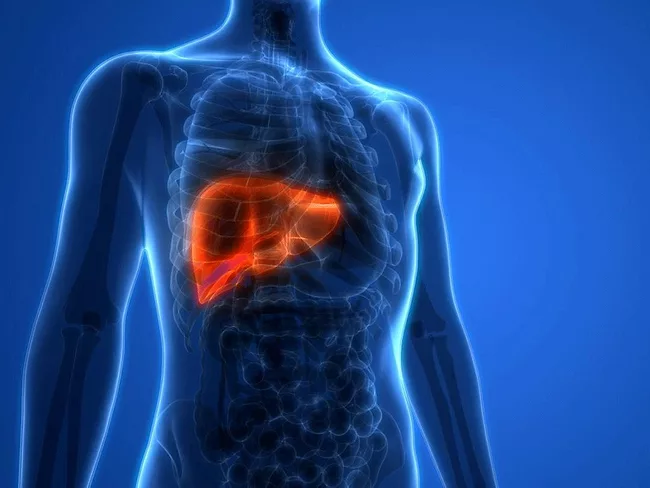
Regeneron Pharmaceuticals Inc. has patented new 17-β-hydroxysteroid dehydrogenase 13 (HSD17B13; 17-β-HSD-13) inhibitors reported to be useful for the treatment of liver diseases.
Researchers from Southern Medical University have divulged the discovery and preclinical characterization of novel PDE4 inhibitors for the treatment of hepatic sepsis. Synthesis and optimization of a series of 7-alkoxybenzofurans led to the identification of compound [I] as the lead PDE4 inhibitor, with PDE4B and PDE4D IC50 values of 10.0 and 15.2 nM, respectively.
Researchers at F. Hoffmann-La Roche Ltd. and Hoffmann-La Roche Inc. have described C-C chemokine receptor type 6 (CCR6) antagonists reported to be useful for the treatment of asthma, psoriasis, Crohn’s disease, ulcerative colitis, multiple sclerosis, rheumatoid arthritis and systemic lupus erythematosus.
Microbiotica Ltd. is poised to advance two of its microbiome-derived products into the clinic after securing regulatory approval and fresh finance. The first live bacterial therapeutic, MB-097, will be tested in combination with Keytruda (pembrolizumab) in patients with advanced melanoma who have not responded to treatment with immune checkpoint inhibitors. The second product, MB-310, is a once-daily oral therapy for treating the inflammatory bowel disease, ulcerative colitis.
Hemoshear Therapeutics Inc. has identified new 3-((1,1-dioxido-2,3,4,5-tetrahydrobenzo[f][1,2,5]thiadiazepin-8-yl)oxy)-2-fluoroacrylic acid derivatives acting as sodium-bile acid cotransporter (SLC10A1; NTCP) inhibitors.
Microbiotica Ltd. is poised to advance two of its microbiome-derived products into the clinic after securing regulatory approval and fresh finance. The first live bacterial therapeutic, MB-097, will be tested in combination with Keytruda (pembrolizumab) in patients with advanced melanoma who have not responded to treatment with immune checkpoint inhibitors. The second product, MB-310, is a once-daily oral therapy for treating the inflammatory bowel disease, ulcerative colitis.
The activation of hepatic stellate cells (HSCs) is a key process in the pathogenesis of liver fibrosis, but the molecular mechanisms behind it are not fully understood. By combining the analysis of differentially expressed gene screening of HSC transcriptome and weighted gene coexpression network analysis of liver tissue, researchers searched for transcription factors involved in liver fibrosis.
The gastrointestinal tract could be key to developing new drugs to combat resistant bacteria. Computational analysis of the human microbiome has revealed a new class of peptides with antimicrobial potential that, once synthesized, inhibited the growth of several microorganisms in vitro and in vivo.
 RSS
RSS