Cullinan Therapeutics Inc. swept up ex-China rights to a multiple myeloma (MM)-targeting BCMAxCD3 bispecific T-cell engager (TCE) velinotamig from Chongqing Genrix Biopharmaceutical Co. Ltd. via a potential $712 million deal June 4. The plan is to repurpose the cancer drug to autoimmune disease.
It’s a good week to be working on drugs targeting STAT6. Kymera Therapeutics Inc.’s, KT-621, the first oral STAT6 degrader candidate to enter the clinic, surpassed expectations with impressive safety, pharmacokinetic and biomarker data from a phase I trial, while potential fast-followers from Nurix Therapeutics Inc. and Recludix Pharma Inc. advanced via respective partnerships with Sanofi SA.
With a 42% placebo-adjusted reduction in proteinuria at week 36, Vera Therapeutics Inc. met its primary endpoint in the Origin phase III trial with BAFF and APRIL dual inhibitor atacicept in treating immunoglobulin A nephropathy (IgAN) in adults.
Sanofi SA is to acquire Blueprint Medicines Inc. in a $9.5 billion deal that will give the French pharma ownership of a marketed rare disease immunotherapy heading toward blockbuster status, a follow-on product in phase II/III, and a phase II clinical program relevant to a number of autoimmune diseases.
Researchers have identified KpsM as a virulence factor in Escherichia coli that was responsible for liver damage in alcohol-associated hepatitis (AH). A small-molecule inhibitor of KpsM reduced liver damage in animal models of AH.
Epimab Biotherapeutics Inc. licensed out a development-ready KLK2/CD3 bispecific T-cell engager (TCE) for advanced prostate cancer to Juri Biosciences Inc. through a potential $210 million deal.
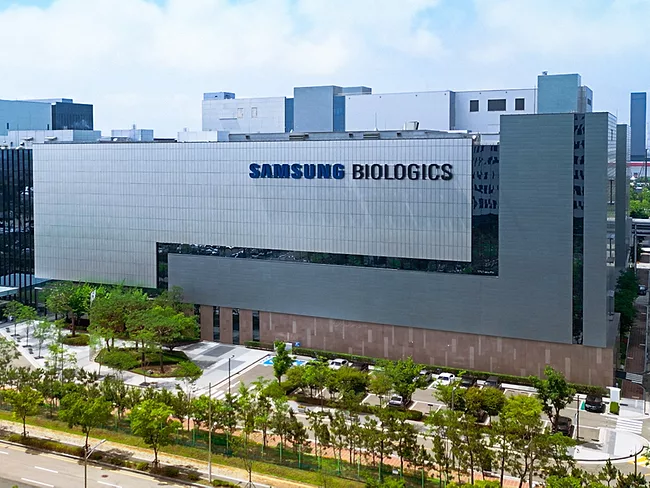
Samsung Biologics Co. Ltd. plans to establish a new holding company and to spin off its biosimilar division, Samsung Bioepis Co. Ltd., by October. The corporate restructuring will draw clear lines between Samsung Biologics’ CDMO operations and Samsung Bioepis’ biosimilar business.
Apimeds Pharmaceuticals US Inc. (APUS), a subsidiary of Kospi-listed Inscobee Inc., said May 12 that it raised $13.5 million from its stock sale on the NYSE American exchange May 9 through an offering of 3.375 million shares at $4 per share. Hopewell, N.J.-based APUS is the second pharmaceutical company with Asian ties to float shares on the U.S. market this year.
Small interfering RNA (siRNA) gained another vote of confidence, albeit back end-loaded, from big pharma as privately held Adarx Pharmaceuticals Inc. signed a deal with Abbvie Inc. related to disease areas that include neuroscience, immunology, and oncology.
Korean pharmaceutical stocks rose across the board May 13, a day after U.S. President Donald Trump signed off on the most favored nation executive order, a drug pricing policy expected to benefit biosimilar makers in the U.S., according to Celltrion Inc.
 RSS
RSS