In a deal potentially worth up to $15.2 billion, Jiangsu Hengrui Pharmaceuticals Co. Ltd. is joining efforts with Bristol Myers Squibb Co. to advance 13 early development programs in the fields of oncology, hematology and immunology. Shanghai-based Hengrui will hold exclusive rights in mainland China, Hong Kong and Macau, while Princeton, N.J.-based BMS will hold exclusive rights in the rest of the world. The deal includes four oncology/hematology assets from Hengrui, four immunology assets from BMS, and five assets that the two companies will jointly discover and develop.
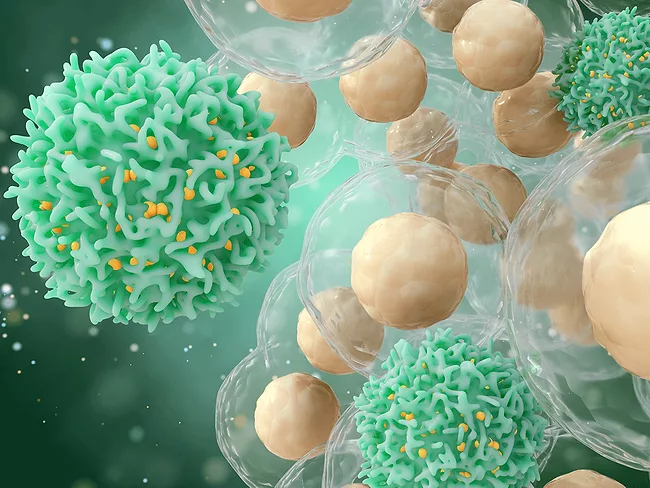
A new mRNA and lipid nanoparticle (mRNA-LNP) platform could selectively reprogram in vivo cytotoxic effector T cells (Teff), the cells responsible for eliminating infected or tumor cells. To achieve this, scientists at the University of Pennsylvania conjugated LNPs with fractalkine, a molecule that binds to the CX3CR1 receptor, which is a marker of Teff cells. Using this strategy, the researchers delivered an mRNA encoding new proteins such as IL‑2 or human CD62 L‑selectin, opening the door to temporarily reprogramming these cells within the body, both in the blood and in lymphoid tissue, where they reside and become activated.
Raising $279 million in an IPO and another $25 million in a concurrent private placement, Odyssey Therapeutics Inc. is advancing its lead phase II asset, OD-001, in ulcerative colitis, with plans to bring its SLC15A4 program into the clinic for lupus.
Climb Bio Inc. outlined May 5 an enticing data spill ahead this year with Fc-enhanced monoclonal antibody budoprutug (budo) in autoimmune diseases. Mizuho analyst Joseph Catanzaro appreciated in his report Wellesley Hills, Mass.-based Climb’s “conviction that CD19 represents a best-in-class pan-B-cell depletion target across antibody-mediated autoimmune diseases – a relative white space for conventional mAbs.”
Atara Biotherapeutics Inc.’s allogeneic T-cell immunotherapy, Ebvallo (tabelecleucel), for Epstein-Barr virus-positive post-transplant lymphoproliferative disease isn’t out of the running yet. Despite grim predictions in the wake of the U.S. FDA’s second complete response letter for the drug in January, Atara and partner Pierre Fabre Pharmaceuticals Inc. reached agreement with the regulator on a path for resubmitting the BLA.
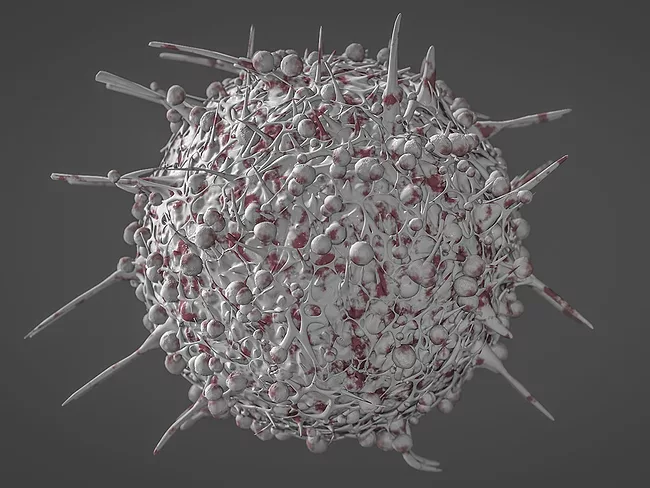
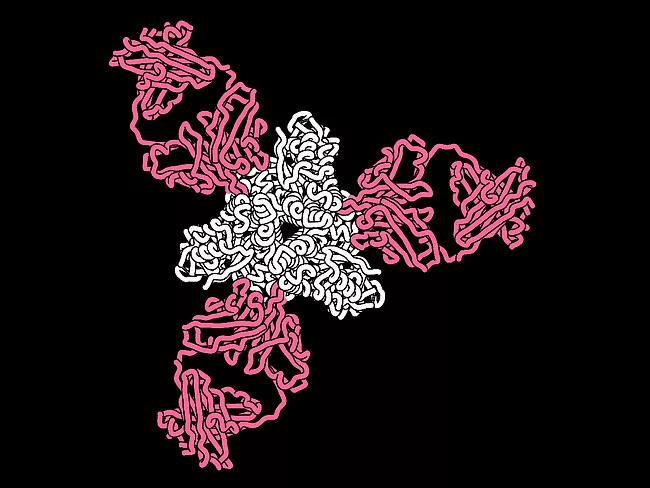
Scientists at the La Jolla Institute for Immunology have identified and characterized human antibodies that neutralize the measles virus by blocking its entry into the cell. This is the first time that antibodies have been shown to bind effectively to two essential viral proteins, creating a dual blockade that prevents infection. Unlike the current vaccine, which is based on an attenuated virus and is not recommended for immunocompromised individuals, these monoclonal antibodies could be used both as a new vaccine approach and as a treatment for the entire population.
UCB SA agreed to pay $2 billion up front to acquire bispecific T-cell engager (TCE)-maker Candid Therapeutics Inc. and lead BCMA/CD3 TCE asset cizutamig (CND-106), continuing big pharma’s spree for China-made autoimmune assets in 2026.
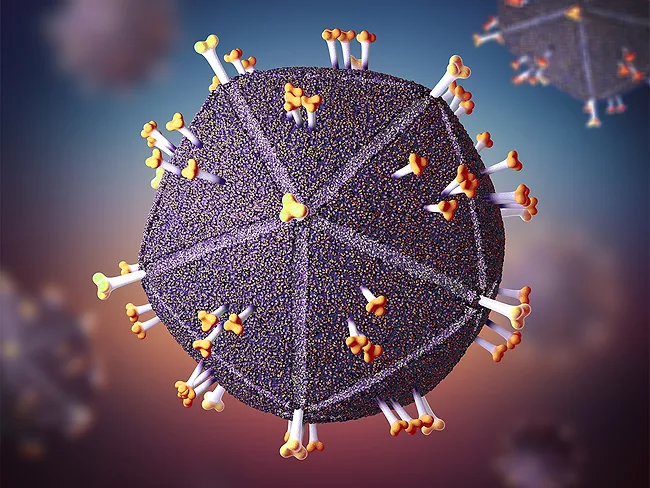
A new vaccination strategy designed to induce antibodies that recognize the apex of the HIV Env protein uses Env trimers displayed on liposomes to increase their density and orient them correctly. This presentation enhanced apex-focused antibody responses in macaques, and the monoclonal antibodies isolated after immunization showed binding modes and structural features resembling human broadly neutralizing antibodies (bNAbs), indicating that the vaccine can steer the antibody response toward this vulnerable site.
South Korea’s Ministry of Food and Drug Safety (MFDS) approved Curocell Inc.’s Rimqarto (anbalcabtagene-autoleucel; anbal-cel) April 29 as the first homegrown CAR T-cell therapy to treat patients with advanced diffuse large B-cell lymphomas.
Alleging “untrue statements” included in the approval application for vasculitis drug Tavneos (avacopan), the U.S. FDA’s Center for Drug Evaluation and Research is proposing to withdraw the NDA for small-molecule C5aR antagonist at the center of Amgen Inc.’s 2022 buyout of Chemocentryx Inc. for $3.7 billion.
 RSS
RSS