Newco Immutrin Ltd. has raised £65 million (US$86.9 million) in a series A to take its lead antibody program through to clinical proof of concept in transthyretin amyloid cardiomyopathy.
For a company founded only four years ago, Quotient Therapeutics Inc. entered its third major deal, this time with Merck & Co. Inc. to find novel drug targets for inflammatory bowel disease (IBD) using its somatic genomics platform technology.
T-cell engager company Kali Therapeutics Inc. licensed its lead product, CD19/BCMA/CD3 trispecific antibody KT-501, to Sanofi SA in a global deal that could be worth more than $1.2 billion. The San Mateo, Calif.-based biotech first emerged in 2024 and moved KT-501 into a phase Ia trial last week to treat adults with rheumatoid arthritis.
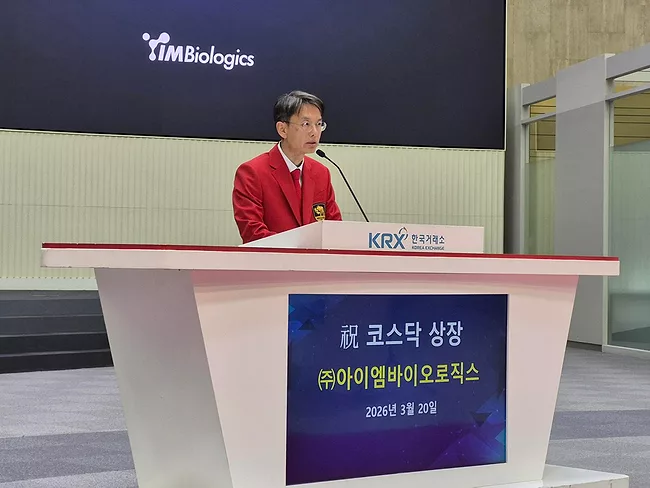
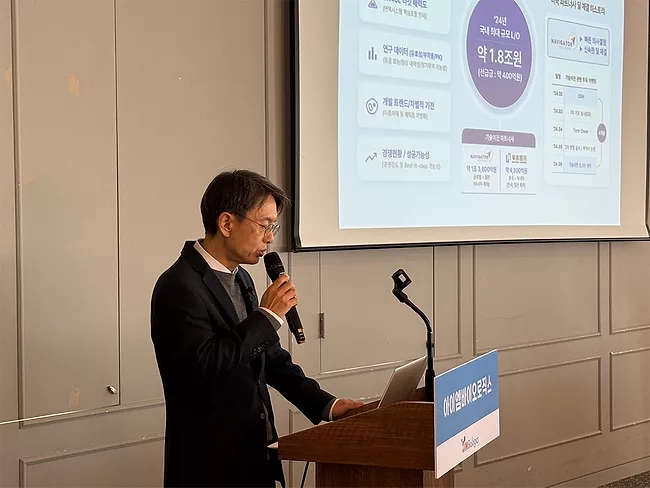
Imbiologics Corp.’s market capitalization reached ₩1.5 trillion (US$1.02 billion) on its Kosdaq debut March 20, as the biotech seeks to become a leading antibody drugmaker for autoimmune diseases.
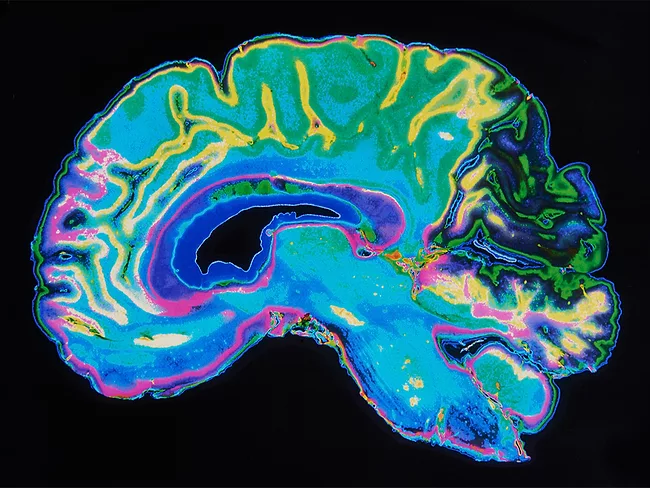
Neurodegenerative disease and cognitive decline cannot be explained by a single process. Beta-amyloid plaques, hyperphosphorylated tau, alpha-synuclein, activated microglia and astrocytes, altered receptors such as TREM2, mitochondrial dysfunction, epigenetic changes and cerebrovascular alterations all seem to contribute to the development of dementia in Alzheimer’s disease (AD). While scientists attempt to address each of these elements, prevention is growing as a primary goal.
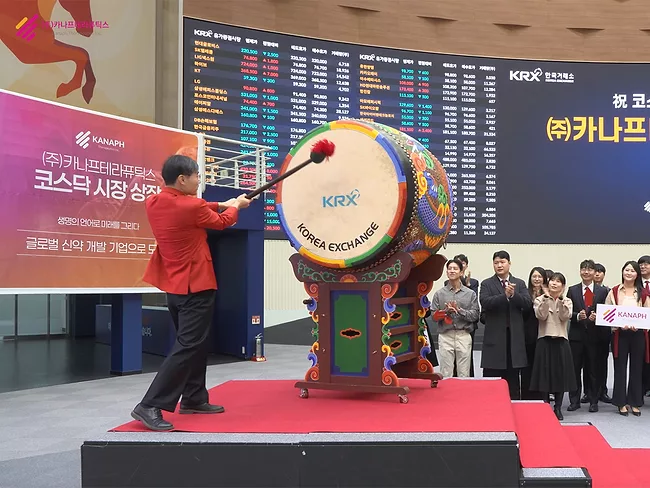
Multi-modality platform company Kanaph Therapeutics Inc. raised ₩40 billion (US$26.7 million) through its Kosdaq stock sale March 16, becoming the first Korean biotech to go public this year. The Seoul-based company’s shares (KOSDAQ:0082N0) climbed to ₩70,000 in intraday trading before closing at ₩50,600 – 153% higher than the offering price.
Enodia Therapeutics Inc. was spun out of The Institut Pasteur by Argobio Studio based on the work of Caroline Demangel, co-founder of Enodia and head of the immunobiology and therapy unit at The Institut Pasteur. Demangel’s lab discovered the mechanism of action of mycolactone, a natural Sec61 inhibitor that causes Buruli ulcers.
Two biotech and three med-tech companies are slated for Kosdaq debuts this month, signaling a potential rebound for Korea financings in 2026. Kanaph Therapeutics Inc. will open with a ₩40 billion (US$26.99 million) raise and Imbiologics Corp. will debut with ₩52 billion. Additionally, Mezoo Co. Ltd., Cosmo Robotics Co. Ltd. and Recensmedical Inc. will launch IPOs.
Newco Kyron Bio is showing its colors after sealing a research agreement with Servier SA, underpinning a claim that it has overcome one of the longest-running challenges of the biotech industry, and developing technology to precisely control the glycosylation of therapeutic proteins.
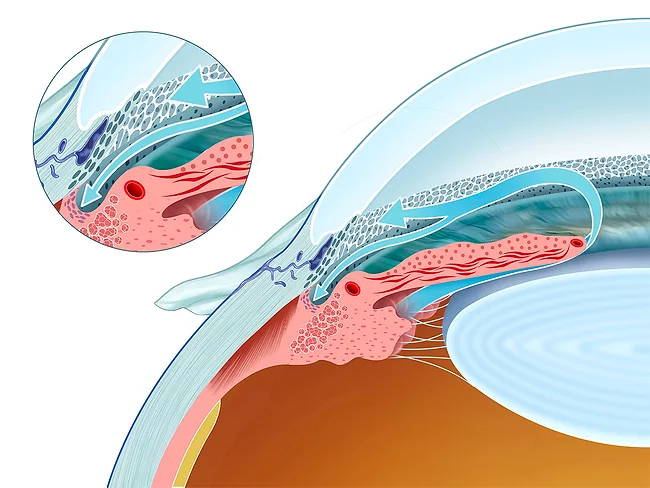
Scientists at Duke University have uncovered how macrophages help maintain intraocular pressure and have found that a specific type, resident macrophages, is essential for proper drainage of intraocular fluid. When these cells are removed, drainage becomes impaired and intraocular pressure rises, contributing to the development of glaucoma.
 RSS
RSS