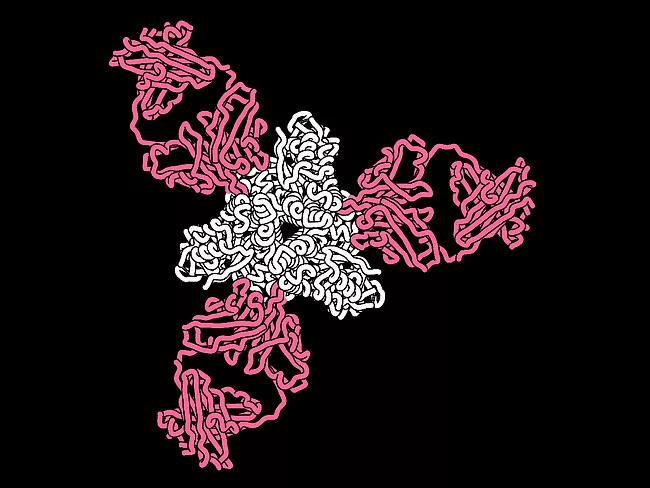
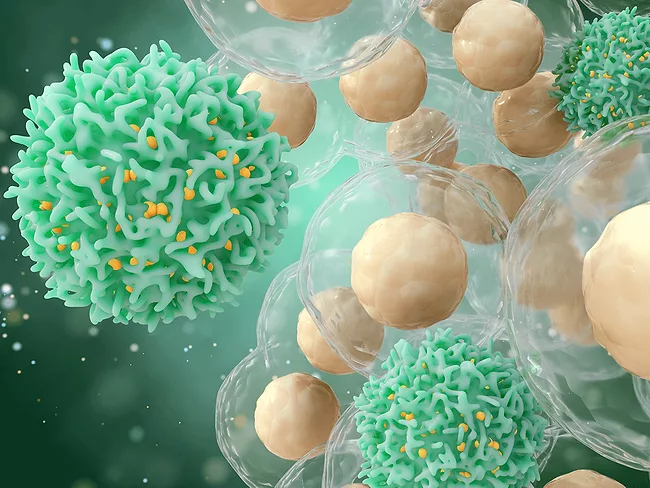
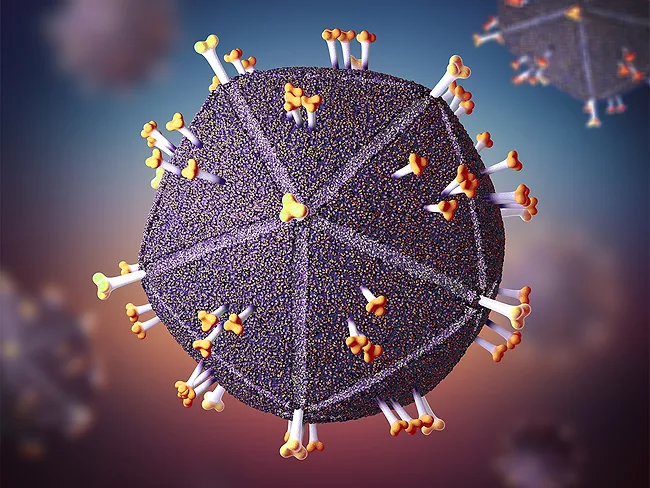
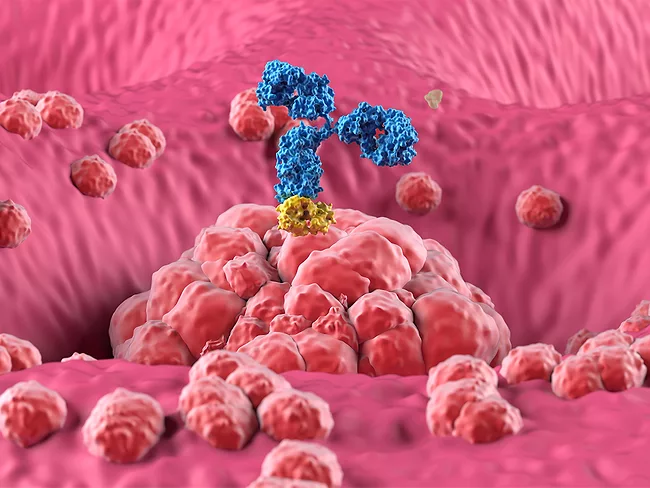
Scientists at the La Jolla Institute for Immunology have identified and characterized human antibodies that neutralize the measles virus by blocking its entry into the cell. This is the first time that antibodies have been shown to bind effectively to two essential viral proteins, creating a dual blockade that prevents infection. Unlike the current vaccine, which is based on an attenuated virus and is not recommended for immunocompromised individuals, these monoclonal antibodies could be used both as a new vaccine approach and as a treatment for the entire population.
UCB SA agreed to pay $2 billion up front to acquire bispecific T-cell engager (TCE)-maker Candid Therapeutics Inc. and lead BCMA/CD3 TCE asset cizutamig (CND-106), continuing big pharma’s spree for China-made autoimmune assets in 2026.
A new vaccination strategy designed to induce antibodies that recognize the apex of the HIV Env protein uses Env trimers displayed on liposomes to increase their density and orient them correctly. This presentation enhanced apex-focused antibody responses in macaques, and the monoclonal antibodies isolated after immunization showed binding modes and structural features resembling human broadly neutralizing antibodies (bNAbs), indicating that the vaccine can steer the antibody response toward this vulnerable site.
South Korea’s Ministry of Food and Drug Safety (MFDS) approved Curocell Inc.’s Rimqarto (anbalcabtagene-autoleucel; anbal-cel) April 29 as the first homegrown CAR T-cell therapy to treat patients with advanced diffuse large B-cell lymphomas.
Alleging “untrue statements” included in the approval application for vasculitis drug Tavneos (avacopan), the U.S. FDA’s Center for Drug Evaluation and Research is proposing to withdraw the NDA for small-molecule C5aR antagonist at the center of Amgen Inc.’s 2022 buyout of Chemocentryx Inc. for $3.7 billion.
Pilatus Bio Inc. is working to address a major under-addressed target of current checkpoint inhibitors: metabolic stress within solid tumors. “Traditional immunotherapies release immune ‘brakes,’ but they do not address the underlying metabolic stress in tumors,” Pilatus CEO and cofounder Raven Lin said. “That’s why more than 60% of solid tumor patients do not respond to treatment.”
Anaptysbio Inc. announced in September of 2025 that it planned to separate its drug development business from the royalties it receives on Jemperli (dostarlimab) from GSK plc and imsidolimab from Vanda Pharmaceuticals Inc. Just seven months later, on April 20, 2026, well ahead of its “year-end 2026” goal, First Tracks Biotherapeutics Inc., the drug development arm of the company, started trading as a standalone company on Nasdaq under the ticker symbol TRAX.
Four months after receiving a complete response letter from the U.S. FDA for tolebrutinib to treat non-relapsing secondary progressive multiple sclerosis, Sanofi SA received a positive opinion recommending approval in the EU.
Optimism rose for what could be the first CAR T therapy in autoimmune disease as Kyverna Therapeutics Inc. made public a positive primary analysis from its registrational trial, KYSA-8, of mivocabtagene autoleucel (miv-cel, KYV-101) in stiff-person syndrome. Kyverna plans to submit a BLA to the U.S. FDA in the first half of this year.
Biogen Inc. has consolidated full global rights to felzartamab through an $850 million deal with TJ Biopharma Co. Ltd. April 20, closing the chapter on a complex 10-year license saga.
 RSS
RSS