Partly focused on delivery challenges that have limited the reach of RNA medicines, new biotech company Axelyf Inc. closed a $2.6 million seed round to support development of its AXL technology and to advance lead autoimmune candidate AXL-003.
Deficiencies in interferon-stimulated gene 15 (ISG15), a protein that normally regulates the immune response, causes mild but persistent inflammation. However, its absence also provides an unexpected advantage by increasing resistance to viral infections. Inspired by this condition and using mRNA technology, scientists at Columbia University and the Icahn School of Medicine at Mount Sinai have developed a broad-spectrum antiviral platform.
On Thursday, the Supreme Court handed the Trump administration another significant victory in its attempts to defund NIH-sponsored research. In a 5-4 decision, the justices paused the June 16 order of U.S. District Judge William Young to restore funding for hundreds of canceled NIH research grants focusing on gender and diversity, equity and inclusion (DEI). The funding had first been cut through a series of executive orders shortly after President Donald Trump resumed power in January.
Generative AI drug discovery company Vantai Inc. could bring in more than $1 billion in a new collaboration with Halda Therapeutics Inc. Vantai already has collaborations with other companies, including Bristol Myers Squibb Co. (BMS), Janssen Pharmaceutica and Blueprint Medicines Corp.
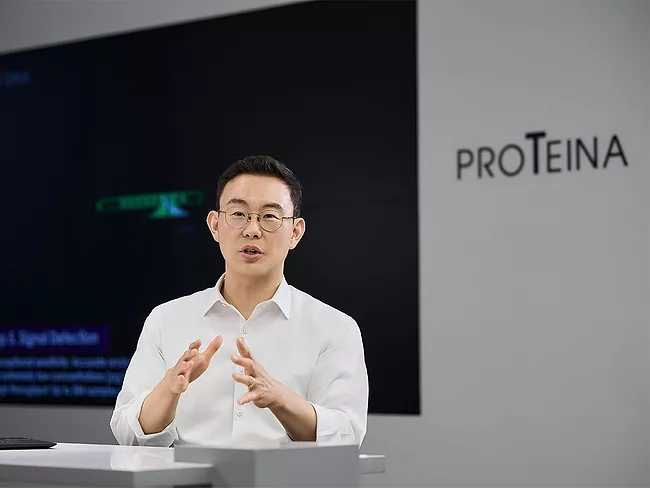
“Our mission is to apply our protein-protein interaction (PPI) big data-generation platform to create novel antibody therapeutics,” Proteina Co. Ltd. CEO Yoon Tae-young recently told BioWorld. “We have been working to build a proprietary technology platform for more than 15 years,” Yoon said, “and we take pride in the fact that we made our own technology platform, instead of running a company based on licensed-in technology.”
Beijing Luzhu Biotechnology Co. Ltd.’s shingles vaccine LZ-901 outperformed GSK plc’s Shingrix (HZ/su) vaccine in a head-to-head phase III trial. A recombinant herpes zoster vaccine candidate independently developed by Luzhu, LZ-901 is the company’s core product.
A little-known tissue composed of a cluster of immune cells could offer novel insights into the development of neurological disorders. Meninges' immune system changes with age and neurodegeneration. Are they protecting the brain or fueling disease?
Remegen Co. Ltd.’s telitacicept (RC-18) met the primary endpoint in a phase III trial for treating primary Sjögren's syndrome (pSS), and the company plans to submit a BLA to China’s National Medical Products Administration (NMPA) on the data.
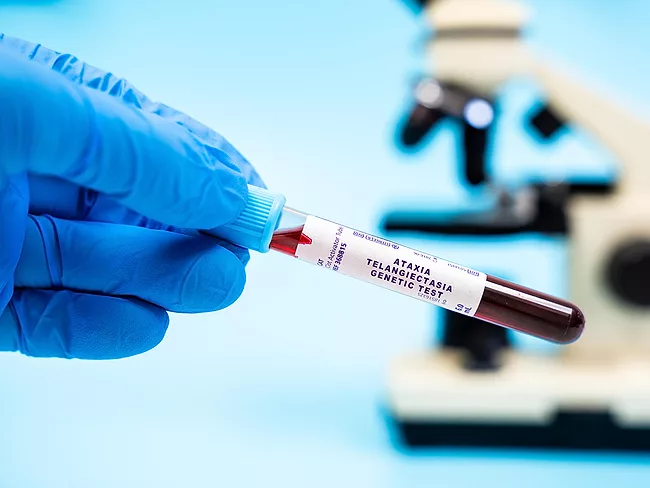
Quince Therapeutics Inc.’s mid-July completion of enrollment in the pivotal phase III study in ataxia-telangiectasia (A-T) marked an important milestone for the South San Francisco-based firm, which is not the only contender in the space. The study called NEAT – a rough acronym for “Neurological Effects of eDSP on Subjects with A-T” – will evaluate Quince’s lead asset, eDSP, in the neurodegenerative illness.
Fosun Pharmaceutical Co. Ltd. subsidiary Fosun Pharma Industrial is out-licensing its phase II dipeptidyl peptidase 1 inhibitor, XH-S004, to newco Expedition Therapeutics Inc. in a deal worth up to $645 million. Under terms of the deal, Expedition gains global rights to rights to develop, manufacture and commercialize XH-S004, except in mainland China, Hong Kong and Macau.
 RSS
RSS