The U.S. FDA once again has a leadership gap at the top of its drug center, which already has been ravaged this year by massive terminations, resignations and retirements of senior leaders. George Tidmarsh, a biopharma industry veteran who’s helmed CDER for a little more than three months, resigned effective immediately Nov. 2 after being placed on administrative leave two days earlier amid a Department of Health and Human Services probe.
Boehringer Ingelheim GmbH has licensed an unnamed small-molecule preclinical candidate from Kyowa Kirin Co. Ltd. in the autoimmune disease space in a deal worth up to €640 million (US$739 million).
Vera Therapeutics Inc.’s atacicept gained still more airtime at the Cantor Fitgerald health care conference held Sept. 4, and some on Wall Street believe the appetite for the BAFF and APRIL dual inhibitor could bode well for others in the same mechanistic space.
Shooting for further proof of durable, drug-free, disease-free remission with a single dose of KYV-101 in generalized myasthenia gravis, Kyverna Therapeutics Inc. plans to start phase III work by the end of this year. The Emeryville, Calif.-based firm rolled out positive interim results from the phase II portion of the registrational Kysa-6 clinical trial testing the drug, a fully human, autologous, CD19 CAR T-cell therapy with CD28 costimulation.
Qyuns Therapeutics Co. Ltd. signed a potential $1.07 billion license deal with Roche Holding AG, granting the latter exclusive rights to QX-031N – a human thymic stromal lymphopoietin and interleukin-33)-targeting bispecific antibody.
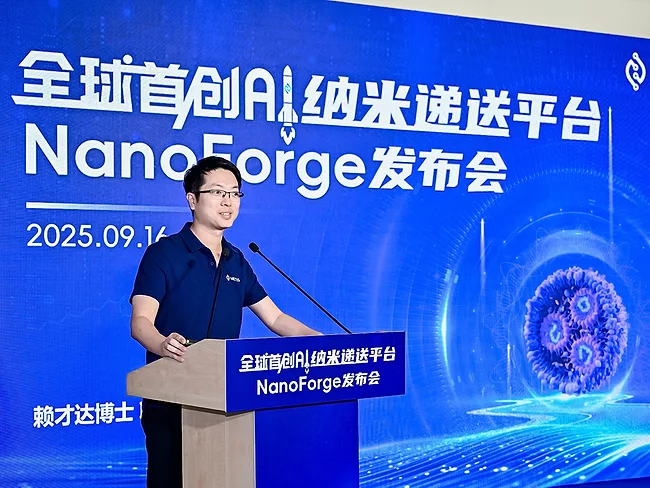
Based on positive phase III study results, Metis Techbio is planning to file an NDA for its AI-derived orally disintegrating tablet drug candidate for pseudobulbar affect, MTS-004, in China next year.
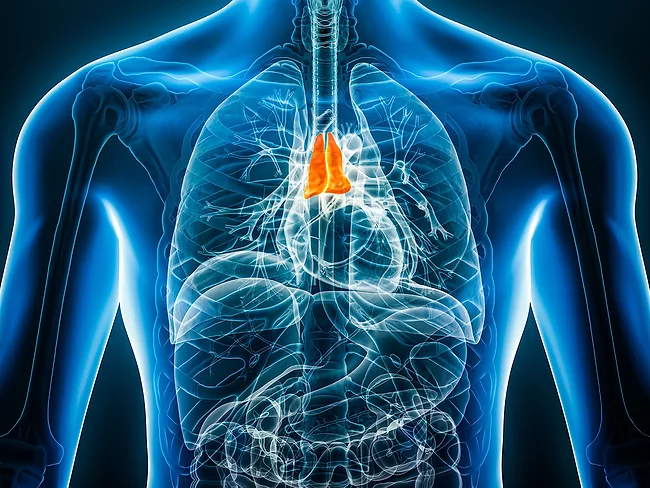
Zag Bio Inc. came out of stealth mode with $80 million in funding so far, including a recently closed series A financing, to develop its platform for autoimmune diseases using drugs targeted to the thymus where thymic regulatory cells are produced.
Based on positive phase III study results, Metis Techbio is planning to file an NDA for its AI-derived orally disintegrating tablet drug candidate for pseudobulbar affect, MTS-004, in China next year.
Newco Elevara Medicines Ltd. has raised $70 million in a series A to fund a phase IIa/IIb trial of ELV-001, a first-in-class, oral cyclin dependent kinase 4/6 inhibitor, in the treatment of rheumatoid arthritis (RA) patients who do not have an adequate response to methotrexate and anti-TNF biologic therapies.
Biopharma companies announced $73.38 billion in deals from 240 transactions during the third quarter (Q3) of 2025, bringing the year-to-date total to $212.44 billion, up from $149.87 billion in the same period of 2024. The total marks the highest deal value through Q3 ever recorded by BioWorld.
 RSS
RSS