“Change is the only constant” is an ageless truth. In the search for age-related biomarkers, it is also a prosaic confounding factor.
Age-related biomarkers will be critical for the development of antiaging therapeutics. “Nobody is planning to do a life span study in humans,” Eric Verdin told the audience at the 10th Conference on Aging Research and Drug Development in Copenhagen on Monday. “Hence the need for … surrogate markers.”
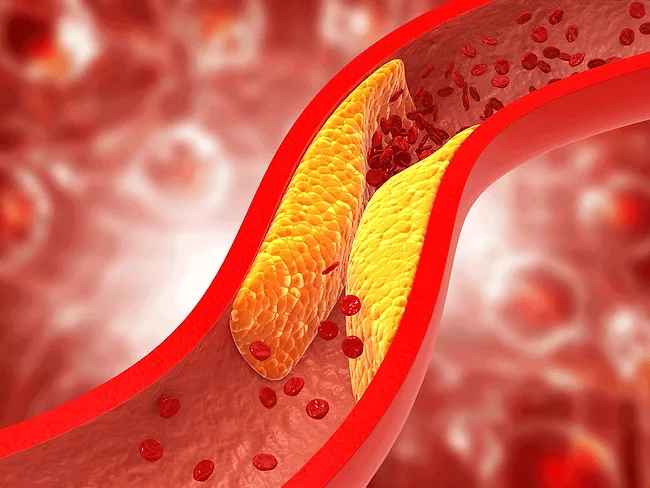
The combination of two sequencing techniques has unveiled features of a subpopulation of cells that could be producing plaques in atherosclerosis. This process is associated with an autoimmune component driven by CD4+ T cells, according to a study from researchers at Leiden University.
Ovarian cancer is ordinarily associated with poor survival; patients diagnosed with high-grade serous ovarian carcinoma (HGSC) have an overall survival of about 40% at 5 years and 15% at 10 years. Despite having similar histologic features, HGSC patients often experience highly variable outcomes and the underlying determinants for long-term survival (LTS) are largely unknown. In a study published online in Nature Genetics, a multi-institutional group of researchers tried to determine the molecular differences that drive LTS in patients with HGSC.
A combination of radiation therapy and CD47 blockade induced an abscopal effect in animal studies even in animals that lacked T cells, researchers reported in the Nov. 21, 2022, online issue of Nature Cancer. The findings are “the first demonstration of T-cell-independent abscopal response,” co-corresponding author Edward Graves told BioWorld. “We’re not trying to say that all abscopal responses are macrophage-mediated. There are plenty that require T cells,” Graves clarified. But “there is another avenue of abscopal responses that has not been reported. ... All the abscopal literature is about stimulating an adaptive response.”
At the Saturday, Oct. 22 session, ‘Basic Science: Correlates of protection, immune response and the host-microbe interaction,’ of the IDWeek 2022 infectious disease conference, moderator Luiz Bermudez, professor at Oregon State University, introduced the latest advances to prevent infections with Treponema pallidum during neurosyphilis (NS), Staphylococcus aureus and osteomyelitis, and Mycobacterium tuberculosis during influenza.
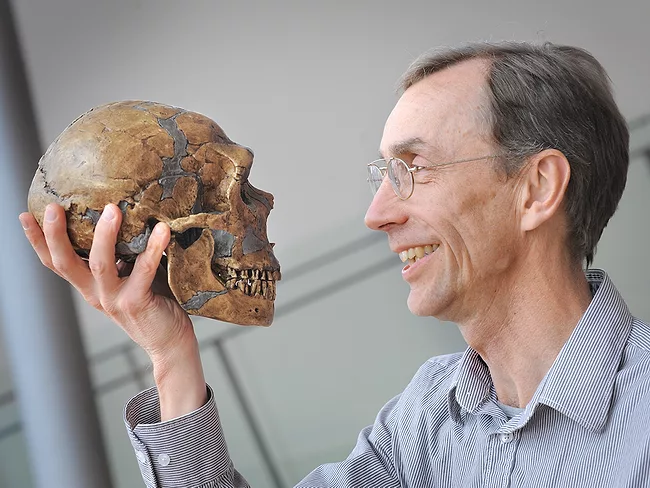
The Nobel Prize in Physiology or Medicine 2022 was awarded to Svante Pääbo today "for his discoveries concerning the genomes of extinct hominins and human evolution." Pääbo, who is currently the director of the Max Planck Institute for Evolutionary Anthropology in Leipzig, Germany, and his colleagues overcame extreme technical challenges to sequence the DNA of ancient hominids – because after tens of thousands of years, there is no such thing as aging well for DNA.
Treating mice with butyrate, a short-chain fatty acid that is normally produced by beneficial gut microbes, prevented anaphylactic shock in allergic mice when they were exposed to peanuts after treatment. It also reduced inflammation in animals with colitis.
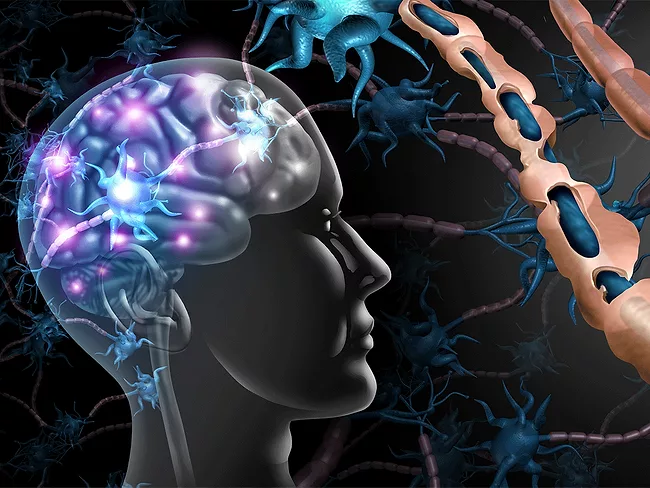
Screening a panel of potential autoantigens, investigators at the Karolinska Institute have identified four autoantigens that are targeted by the T cells of multiple sclerosis patients.
A new animal model of systemic lupus erythematosus (lupus) could be useful for understanding the disparity of the disorder, which is vastly more common in women than men.
It’s no mystery why Scipher Medicine Corp. successfully raised $110 million in a series D financing round to further develop the company’s precision medicine platform. The company aims to address one of most modern medicine’s most challenging enigmas: how to eliminate the cost and adverse effects associated with the prescription of expensive medications that provide life-changing outcomes for some and no benefit for others. The new funds boost Scipher’s total funding to $227 million, of which $192 million has come into the Waltham, Mass.-based company’s coffers in the last 12 months.
 RSS
RSS