While women make up half the world’s population and own two out of every five businesses, there are substantial knowledge gaps about conditions affecting their health – mostly due to decades of research excluding women from clinical trials and investment decisions.
At the BioFuture 2024 conference held in New York in November, Seema Kumar, the CEO of Cure, described women’s health as something that has been directed at the “bikini area.” That “bikini” bias extended to both diseases and their causes – women’s health covered the breasts and reproductive system, and its causes were hormonal. Both concepts are far too narrow.
While the size of the market is enormous, drug development and treatments for women’s health care still lag behind what is offered for men. There has been a renaissance in the past few years, however, led by investors and companies that have wrestled with determining exactly what encompasses women’s health and how to meet its challenges.
The Japanese government, industry and academia are deliberating health care policies and initiatives to boost Japan’s role in the future of regenerative medicine, experts at Bio Japan 2024 said, as the fruits of cell and gene therapy research come to fruition with new approvals.
During an Innovation Ignited webinar sponsored by Johnson & Johnson, experts talked about how precision medicine has helped advance the field of oncology and how those lessons can be applied to immunology. Advancements in precision medicine have helped oncologists know which drugs are most likely to help patients as their tumors advance and mutate.
To recreate in the laboratory the formation of Lewy bodies as they would occur in a Parkinson’s patient, two ingredients are required: the protein α-synuclein and the participation of the immune system. The results could prevent the development and progression of this neurodegenerative disorder and help in the search for new therapies.
One of Australia’s newest biotech investment funds is set to triple investments on the back of its success and strong investor demand. The three-year old Merchant Biotech Fund (MBF) invested in several high growth ASX-listed and private life sciences companies and finished the past financial year up more than 70%. It is up 10% for the current financial year, Portfolio Manager Reece O'Connell told BioWorld.
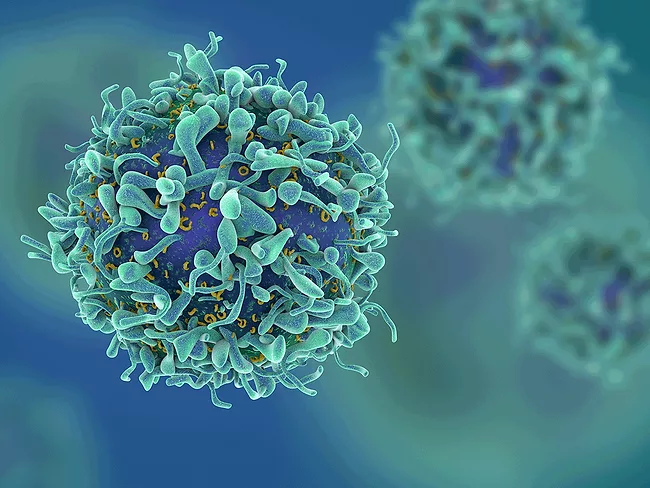
Immunotherapy based on T cells is the vanguard of cancer treatments. Researchers from Washington University in St. Louis have shown that similar approaches using T cells could be applied for treating injuries of the central nervous system (CNS). They reported their findings in Nature on Sept. 4, 2024.
Since the publication of The Hallmarks of Aging in 2013, aging research has exploded. The field now has more than 300,000 articles on the biological signals of the effect of time on the body. What would Marty McFly, the legendary character from the Back to the Future saga who traveled with his DeLorean time machine from the ‘80s to the ‘50s, think if he visited 2024 and saw laboratories experimenting with techniques to turn back the biological clocks of cells or increase the lifespan of rejuvenated mice?
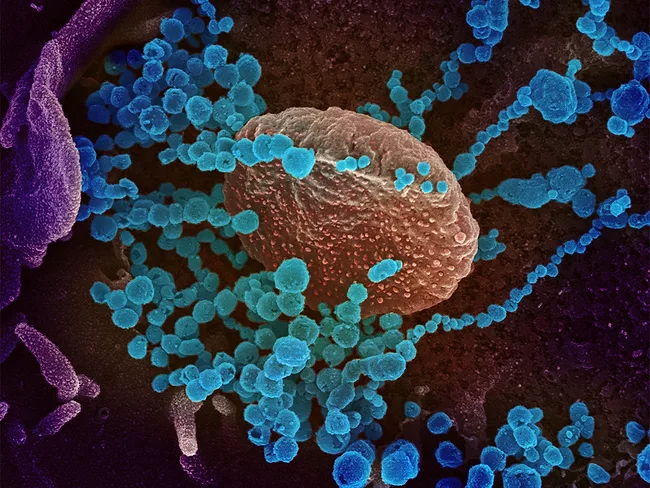
SARS-CoV-2 could proliferate in the lungs causing severe COVID-19 through a special type of immune cell. A group of scientists from Stanford University observed how this coronavirus infected interstitial macrophages through a CD209 receptor, triggering the inflammatory response observed in hospitalized patients.

 RSS
RSS