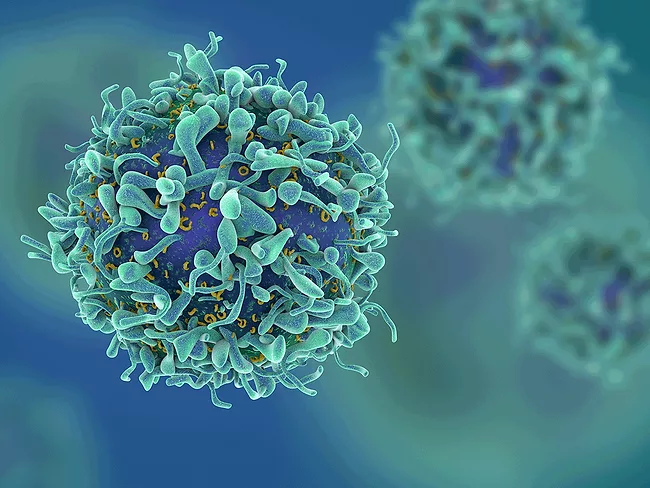
Immunotherapy based on T cells is the vanguard of cancer treatments. Researchers from Washington University in St. Louis have shown that similar approaches using T cells could be applied for treating injuries of the central nervous system (CNS). They reported their findings in Nature on Sept. 4, 2024.
Since the publication of The Hallmarks of Aging in 2013, aging research has exploded. The field now has more than 300,000 articles on the biological signals of the effect of time on the body. What would Marty McFly, the legendary character from the Back to the Future saga who traveled with his DeLorean time machine from the ‘80s to the ‘50s, think if he visited 2024 and saw laboratories experimenting with techniques to turn back the biological clocks of cells or increase the lifespan of rejuvenated mice?
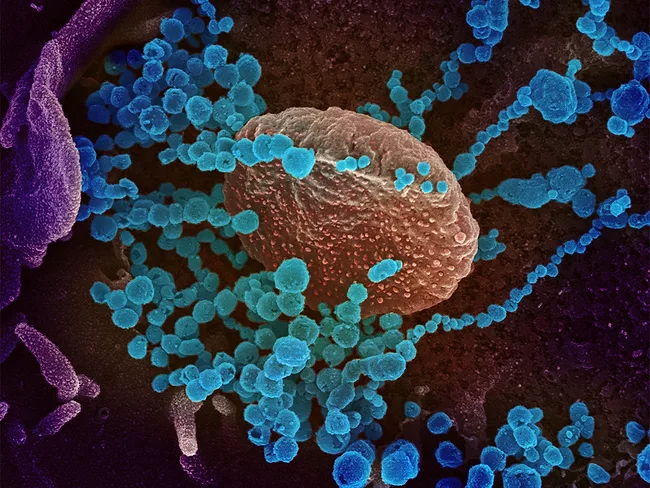
SARS-CoV-2 could proliferate in the lungs causing severe COVID-19 through a special type of immune cell. A group of scientists from Stanford University observed how this coronavirus infected interstitial macrophages through a CD209 receptor, triggering the inflammatory response observed in hospitalized patients.
Scientists from the Australian National University have discovered the gene mutation responsible for causing psoriasis, and the findings could lead to improved diagnosis and treatment for patients with psoriasis and psoriatic arthritis, a chronic inflammatory skin disease. “We were able to identify the gene that could be important in enabling this progression from a skin-only condition to a skin-and-joint condition,” lead study author Chelisa Cardinez told BioWorld.
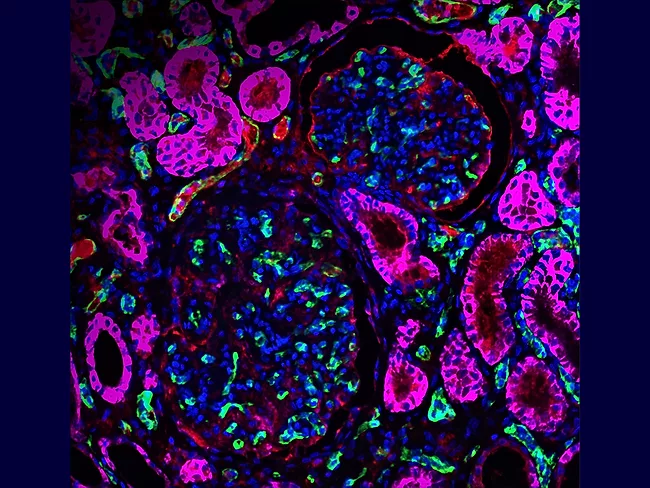
Eledon Pharmaceuticals Inc.’s tegoprubart, an investigational anti-CD40 ligand antibody, was used as part of the immunosuppressive regimen after the first-ever transplant of a kidney from a genetically modified pig to a human. The tegoprubart procedure was done March 16 at Massachusetts General Hospital on a 62-year-old man with end-stage renal disease.
IMU Biosciences Ltd. has raised £11.5 million (US$14.7 million) in a series A round to further develop and commercialize profiling technology that can identify from a blood sample which of more than 2,000 cell types are present in an individual’s immune system.
Scientists at Egenesis Inc. have transplanted kidneys from genome-edited pigs into cynomolgus monkeys that remained functional for long periods after transplantation. The monkeys, whose own kidneys were removed during the surgery, survived for a median of 176 days after receiving one pig kidney. Maximal survival was just over 2 years. The data were published today in Nature. Egenesis CEO Mike Curtis told reporters that the study has achieved the longest survival to date “using clinically translatable immunosuppression … longer survival has been achieved using really aggressive immunosuppression that really isn’t clinically translatable.”
For individuals who develop an unexpected psychosis, there is something to be said for testing them for autoimmune antibodies. And something against. At the 36th Congress of the European College of Neuropsychopharmacology (ECNP) this week, the topic was worth a controversy session, where speakers presented the pros and cons of the approach. Currently used tests have a specificity of 99%. But as Ester Coutinho, consultant neurologist at the University of Coimbra, pointed out, the validity of diagnostic tests depends on the prevalence of the disorder one is looking for as well. Coutinho estimated that autoimmune psychoses account for 1% of psychoses overall.
Precede Biosciences Inc. emerged from stealth having raised $57 million in seed and series A financing to fund its genome-wide platform. The blood-based platform detects and provides critical insight into the biological activity of genes and pathways in diseased tissue to improve care and development of new therapeutics.
Regenerative tissue developer Humacyte Inc. has posted positive top-line phase II/III results for its Human Acellular Vessel, a tissue-engineered graft consisting entirely of decellularized extracellular matrix, for vascular trauma repair. The data showed higher rates of patency, a measure of the lack of vascular obstruction, when compared to synthetic graft benchmarks.
 RSS
RSS