The collaboration brings together Relation’s AI-powered drug discovery platform and human data generation capabilities with Novartis’s expertise in immuno-dermatology to identify, validate and advance potential first-in-class targets in atopic diseases driven by immune dysregulation.
Researchers at the Institut Pasteur have developed a vaccine that spurred the production of autoantibodies to immunoglobulin E (IgE) antibodies, protecting vaccinated mice from anaphylaxis. In their paper, which they published in Science Translational Medicine on Dec. 3, 2025, the authors noted that the polyclonal antibodies generated by their vaccine lasted “for up to 12 months postvaccination with a similar avidity as the approved anti-IgE mAb omalizumab [Xolair, Roche AG].”
Bao Pharmaceuticals Co. Ltd., a developer of subcutaneous biologic drugs, priced its IPO at HK$26.38 on Dec. 2, aiming to raise about HK$1 billion (US$128 million). Bao expects net proceeds of HK$921.5 million after expenses, which will fund its “two-anti” strategy – developing both antibody and antibiotic drugs worldwide, mainly in China, the U.S. and Europe.
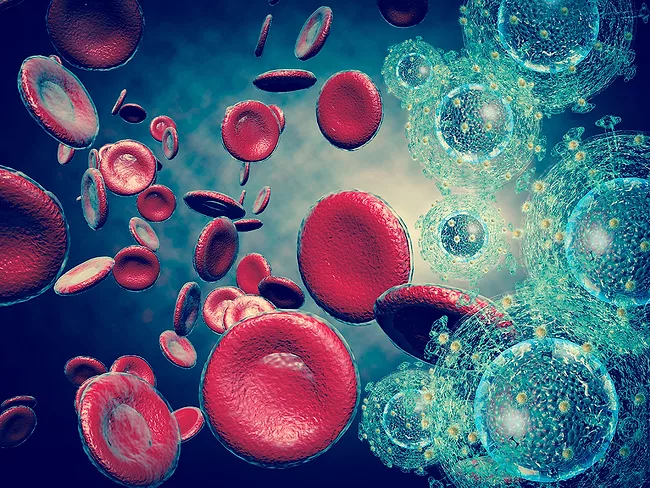
2025 has been the most challenging year in the efforts to fight HIV since at least the advent of antiretroviral therapy. In a report on “Overcoming disruption, transforming the AIDS response,” released last week ahead of World AIDS Day on Dec. 1, the Joint United Nations Program on HIV/AIDS (UNAIDS) described “a global system in shock” by sharply reduced funding from the U.S. and other wealthy nations. Scientifically, for now, progress is ongoing.
China’s National Medical Products Administration gave the nod to Innovent Biologics Inc.’s picankibart (IBI-112), branded as Pecondle, for treating moderate to severe plaque psoriasis in adults who are candidates for systemic therapy.
The priority BLA from Otsuka Pharmaceutical Co. Ltd., of Tokyo, and its U.S. subsidiary, Otsuka Pharmaceutical Development & Commercialization Inc., for sibeprenlimab to treat immunoglobulin A nephropathy (IgAN) has received accelerated approved by the U.S. FDA.
China’s National Medical Products Administration gave the nod to Innovent Biologics Inc.’s picankibart (IBI-112), branded as Pecondle, for treating moderate to severe plaque psoriasis in adults who are candidates for systemic therapy.
Allogeneic CAR T-cell therapy offers several advantages over an individualized autologous CAR T approach, thanks to the use of readily available, higher quality and quantity of starting donor T cells and the potential to generate multiple doses from a single manufacturing process.
2025 has been the most challenging year in the efforts to fight HIV since at least the advent of antiretroviral therapy. In a report on “Overcoming disruption, transforming the AIDS response,” released last week ahead of World AIDS Day on Dec. 1, the Joint United Nations Program on HIV/AIDS (UNAIDS) described “a global system in shock” by sharply reduced funding from the U.S. and other wealthy nations. Scientifically, for now, progress is ongoing. To mark World AIDS Day, Nature published three independent studies on HIV.
The priority BLA from Otsuka Pharmaceutical Co. Ltd., of Tokyo, and its U.S. subsidiary, Otsuka Pharmaceutical Development & Commercialization Inc., for sibeprenlimab to treat immunoglobulin A nephropathy (IgAN) has received accelerated approved by the U.S. FDA.
 RSS
RSS