Speed and innovation from Asia Pacific’s (APAC) biotechnology sector had big pharma scouring the region for the next oncology heir to Keytruda (pembrolizumab), Merck & Co. Inc.’s reigning blockbuster cancer drug.
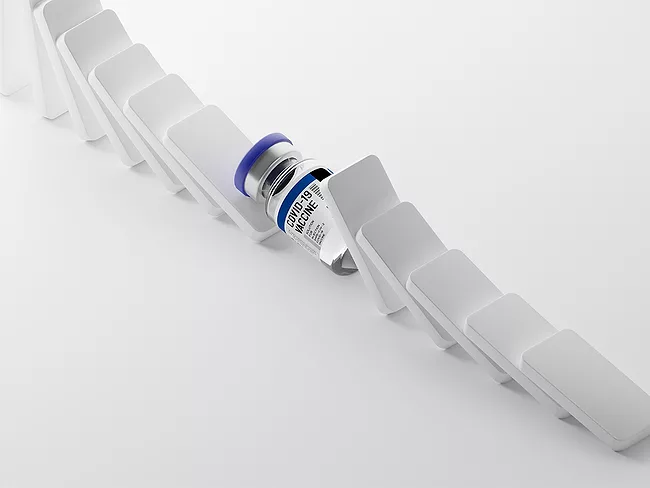
Driven by a deeply antiscientific political agenda, the current U.S. government is not just sabotaging some of the most groundbreaking technology that has been developed in the past decades. It is also destroying the country’s past successes, such as measles elimination and the reduction of hepatitis B infections in infants to near zero.
BioWorld’s 2022 end-of-year highlights included a toast to the future – of universal vaccines. Even before SARS-CoV-2 vaccines were developed in record time and saved countless lives during the COVID-19 pandemic, vaccines were a rare bright spot in the fight against infectious diseases. Bacteria are becoming multidrug resistant far faster than new classes of antibiotics are being developed, viral spillover events and vector ranges are increasing, and climate change is helping bacteria and fungi alike breach human thermal protections against infections.
Meta Pharmaceuticals Inc. and Shenzhen Moyuan Pharmaceuticals Co. Ltd. have divulged lactate dehydrogenase A (LDHA) inhibitors reported to be useful for the treatment of autoimmune disorders.
Advances in antiretroviral therapy (ART) now allow people living with HIV to lead normal lives with undetectable and nontransmissible levels of the virus in their blood. Yet that reality is limited to those with access to treatment. More than 40 million people worldwide live with HIV, with over a million new infections and hundreds of thousands of deaths each year, underscoring that major challenges remain.
DBV Technologies SA’s pivotal phase III trial with the Viaskin Peanut allergy patch came through for the company, and officials plan a BLA filing with the U.S. FDA in the first half of next year. Shares of the Montrouge, France-based firm (NASDAQ:DBVT) closed Dec. 17 at $22.55, up $4.57, or 25%, on positive top-line results from the study called Vitesse with Viaskin for children, ages 4 to 7.
A team at the University of Macau aimed to develop a novel peptide targeting the tumor necrosis factor (TNF)-TNFR2 interaction as a selective regulatory T cell (Treg) stimulator. Through phage display screening, they identified the peptide UMR2-705 that functions as an agonist that enhances TNF-induced Treg expansion.
Researchers from Aera Therapeutics Inc. reported the preclinical profile of AERA-109, a novel, targeted in vivo CAR T therapy designed to treat B-cell-mediated autoimmune diseases.
Researchers at Changzhou Hengbang Pharmaceutical Co. Ltd., Jiangsu Hansoh Pharmaceutical Group Co. Ltd. and Shanghai Hansoh Biomedical Co. Ltd. have described polypeptides acting as C5a anaphylatoxin chemotactic receptor 1 (C5aR; CD88) antagonists reported to be useful for the treatment of cancer, infections, cardiovascular disorders, endocrine disorders and immunological disorders.
Formation Bio Inc. acquired ex-China rights to Lynk Pharmaceuticals Co. Ltd.’s oral TYK2-inhibitor, LNK-01006, for up to $605 million. The phase I-ready central nervous system (CNS) candidate will be developed at Formation’s newly formed subsidiary, Bleecker Bio.
 RSS
RSS