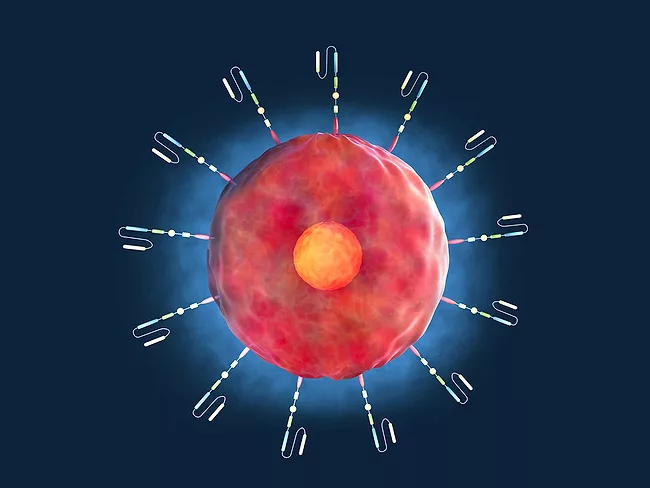
The transition from complex and costly ex vivo strategies to platforms that enable direct cellular intervention within the body, known as in vivo therapies, is marking a paradigm change in the field of gene and cell therapies by simplifying manufacturing, improving tissue targeting and expanding clinical access to treatments.
Bio Japan 2025 was abuzz with the news that Japan has once again snagged the Nobel Prize in Physiology or Medicine, with Shimon Sakaguchi winning for his discovery of a subtype of CD4-expressing T cells that affect the immune response. Earlier today, Susumu Kitagawa snatched the second Nobel Prize for Japan, this time in chemistry. Both Nobel Prize winners were professors at Kyoto University.
In a deal that could top $2 billion, China-based Innocare Pharma Ltd. licensed the exclusive worldwide development and commercialization rights to the BTK inhibitor orelabrutinib to Zenas Biopharma Inc. for multiple sclerosis and other indications aside from oncology.
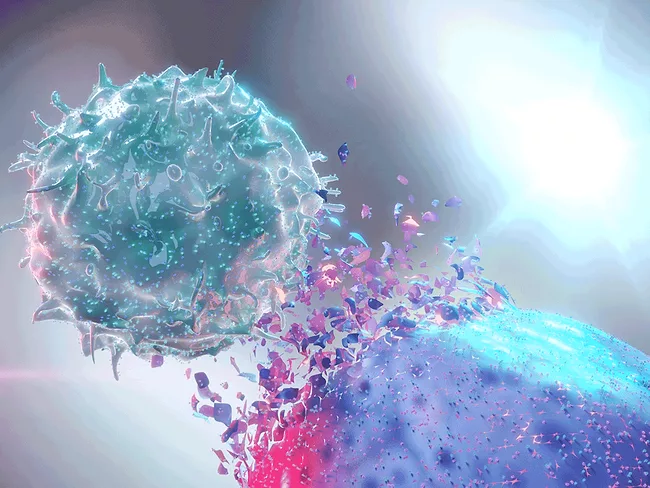
As the many challenges facing cell therapies are being addressed, the CAR T field continues to evolve beyond its original design of T cells engineered to target hematological malignancies. During the 32nd Annual Congress of the European Society of Gene and Cell Therapy (ESGCT), held in Seville Oct. 7-10, several studies showed how this technology is being redefined as programmable and adaptable immune cells with expanded functional versatility.
Takeda Pharmaceutical Co. Ltd. is exiting all work in cell therapies and will seek an external partner to advance the company’s research and clinic-ready cell therapy programs, the company said, noting that it is not currently running any clinical trials using cell therapy technology.
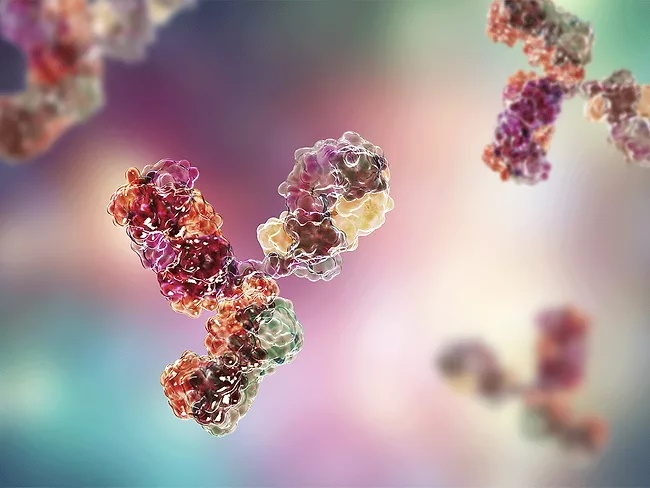
Kyorin Pharmaceutical Co. Ltd. is licensing Hinge Bio Inc.’s multispecific antibody-based therapy HB-2198 in Japan for multiple autoimmune indications, starting with systemic lupus erythematosus.
The Nobel Committee announced today that it has awarded the 2025 Nobel Prize in Physiology or Medicine to three scientists for their discovery of regulatory T cells, which are a critical part of the way the body prevents autoimmune attacks.
Domain Therapeutics SA has prepared and tested new azine-based compounds acting as proteinase-activated receptor 2 (F2RL1; PAR2) inhibitors reported to be useful for the treatment of allergy, autoimmune, metabolic diseases, cardiovascular, dermatological, inflammatory disorders, pain and cancer.

 RSS
RSS