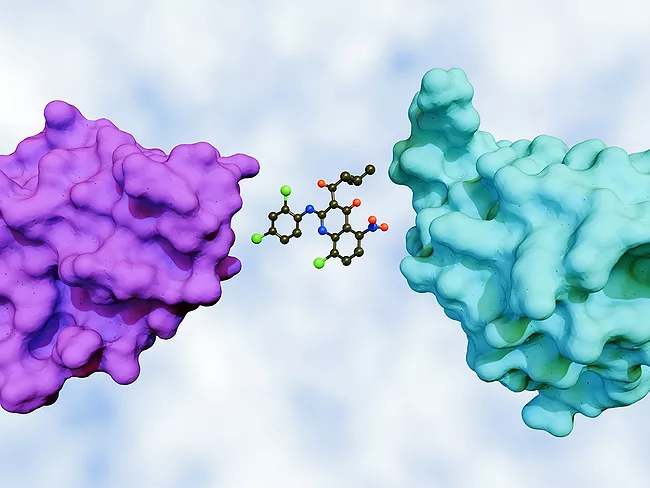
Three-year-old Areteia Therapeutics Inc. hit the primary endpoint in its Exhale-4 phase III study of dexpramipexole for eosinophilic asthma, bringing the oral small molecule one step closer to the U.S. market, where it could challenge currently approved injectable anti-IL-5/5R biologics.
In its second deal with Novartis AG of the past 11 months, Monte Rosa Therapeutics Inc. is getting $120 million up front to collaborate on developing molecular glue degraders to treat immune-mediated diseases. The agreement could swell to $5.7 billion for Monte Rosa.
Auravax Therapeutics Inc. has received funding from the Gates Foundation to evaluate the efficacy of Nanosting-001 in validated swine models of influenza infection at Kansas State University College of Veterinary Medicine and The Pirbright Institute.
An ongoing concern for scientists is that there will be across-the-board funding cuts. This is already happening in mRNA research, where reductions affected coronavirus-related projects. During the pandemic, efforts focused on this pathogen, and once the health emergency was over, grants for antivirals were eliminated. However, these drugs could stem future outbreaks. Despite the cuts, recent research continues to demonstrate the potential of mRNA, not only for the development of antivirals, but also for obtaining more effective and longer-lasting vaccines.
South Korea’s Ministry of Food and Drug Safety announced Sept. 12 plans to significantly raise drug application fees for biosimilars but slash their review times starting next year.
In its second deal with Novartis AG of the past 11 months, Monte Rosa Therapeutics Inc. is getting $120 million up front to collaborate on developing molecular glue degraders to treat immune-mediated diseases. The agreement could swell to $5.7 billion for Monte Rosa.
In August, a press release from HHS announced the cancellation of 22 vaccine research projects based on mRNA, the latest available technology aimed at developing therapies for viral infections, cancer, and genetic conditions. What happens to mRNA innovation when funding dries up? This series explores how reductions in funding could impact mRNA technology, affecting innovation, research and future therapies.
Following a May phase II readout and a recent presentation of Tourmaline Bio Inc.’s long-acting anti-IL-6 IgG2 monoclonal antibody, pacibekitug, for atherosclerotic cardiovascular disease (ASCVD), Novartis AG offered $1.4 billion, or $48 per share, to buy the barely 4-year-old company. Previously shelved by Pfizer Inc., which had been developing it for autoimmune disorders, pacibekitug fell into the hands of New York-based Tourmaline through a May 2022 license agreement. In addition to the Tranquility phase II trial in ASCVD, the company’s lead product is also in the phase IIb Spirited trial for thyroid eye disease, a readout for which is expected in early 2026.
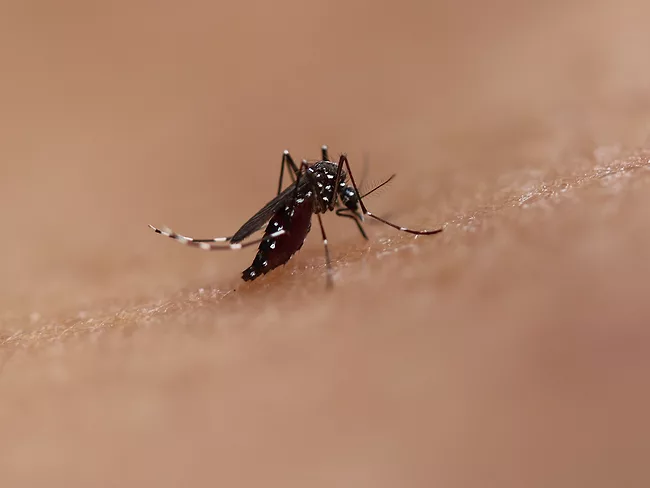
The envelope (E) proteins of Zika virus (ZIKV) and dengue virus (DENV) present a high degree of homology, which can lead to cross-reactive antibodies that exacerbate disease through antibody-dependent enhancement. This enormously challenges the development of effective ZIKV vaccines.
Tolerance Bio Inc. and Zipcode Bio have established a strategic research and development collaboration aimed at pioneering novel delivery methods for targeted thymus therapeutics.
 RSS
RSS