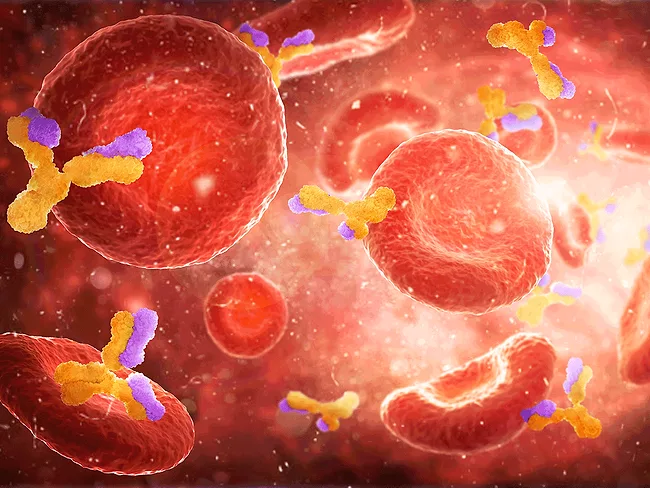
Takeda Pharmaceutical Co. Ltd.’s anti-CD38 antibody mezagitamab (TAK-079) is showing benefits beyond platelet restoration, with new data suggesting the candidate may improve quality of life for patients with chronic immune thrombocytopenia (ITP) and sustain those gains after treatment ends.
Drug Farm Biotechnology Co. Ltd. closed a $55 million series D round to advance its AI-developed alpha-protein kinase 1 (ALPK1) inhibitor, DF-003, in a phase III trial for ROSAH syndrome, a rare genetic disease that can lead to blindness.
Another day, another two multibillion-dollar deals with Asian companies, this time involving Dizal Pharmaceutical Co. Ltd. and its EGFR inhibitor for lung cancer, as well as Innovent Biologics Inc. and its anti-CD40L antibody for a chronic fibroinflammatory condition.
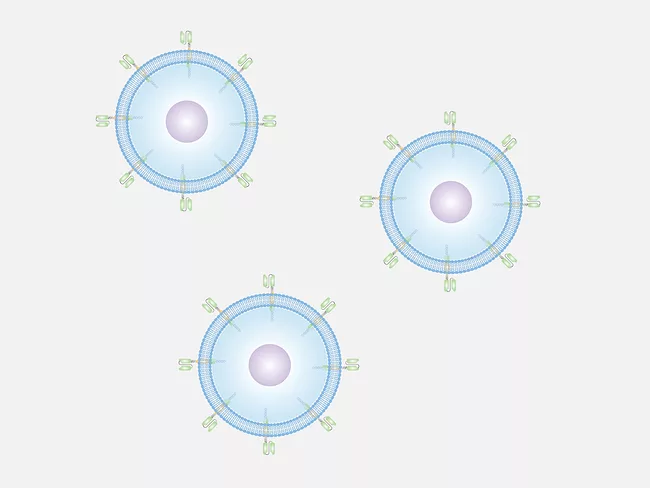
Human cytomegalovirus (CMV) is a clinical challenge in infants and immunocompromised individuals, since no licensed vaccine exists. Vaccine development is complex due to several factors, including viral latency, genomic complexity and immune evasion, among others. Evaxion A/S recently presented data on its proprietary AI-immunology platform used to create the EVX-V1 vaccine for CMV infection.
Takeda Pharmaceutical Co. Ltd.’s anti-CD38 antibody mezagitamab (TAK-079) is showing benefits beyond platelet restoration, with new data suggesting the candidate may improve quality of life for patients with chronic immune thrombocytopenia (ITP) and sustain those gains after treatment ends.
The Global Health Innovative Technology (GHIT) Fund is investing approximately ¥2.86 billion ($18 million) in six R&D projects for the development of drugs for malaria, tuberculosis (TB) and neglected tropical diseases.
A new strategy based on regulatory T cells (Tregs) engineered with chimeric antigen receptors (CARs) has shown that cell therapies can be directed against soluble allergens to control inflammation. The findings open a potential path toward the development of antigen-specific cell therapies for allergies caused by pollen, food allergens or dust mites.
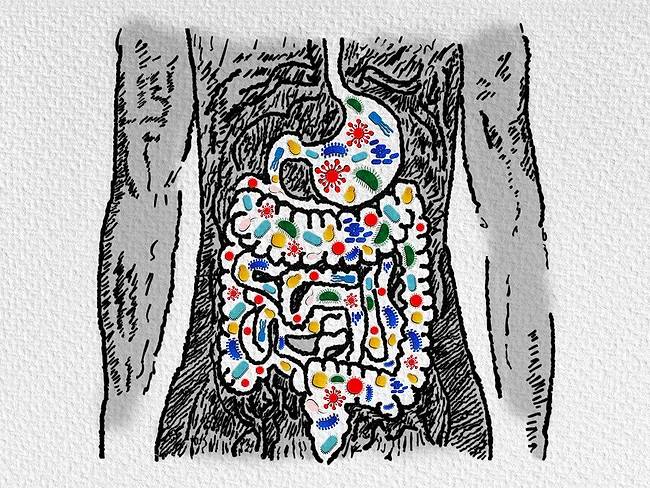
Cancer researchers are increasingly turning to the microbiome to understand why some patients respond well to treatment while others face severe complications. Gut microbial communities shift during intensive therapies such as bone marrow transplantation, and those changes influence infection risk, immune recovery and long‑term survival. New advances in microbial sequencing and engineering redefine this community as a measurable clinical parameter that can be monitored, modeled, and even therapeutically reshaped to improve outcomes in oncology and other conditions.
Anew Therapeutics Pte Ltd. has discovered new interleukin-17A (IL-17A)/interleukin-17 receptor A (IL-17RA) interaction inhibitors reported be useful for the treatment of Crohn’s disease, type 1 diabetes, dry eye and more.
Fate Therapeutics Inc. has obtained IND clearance from the FDA for FT-839, the company’s next-generation, off-the-shelf CAR T-cell product candidate targeting CD19 and CD38 for autoimmune diseases.
 RSS
RSS