Orna Therapeutics Inc., which is pioneering a novel circular RNA protein expression technology in several therapeutic areas, has achieved lift-off. The Cambridge, Mass.-based company has closed a broadly based alliance in infectious disease and oncology with Merck & Co. Inc., under which it is getting $150 million up front and up to $3.5 billion in development, regulatory and sales-based milestones. In addition, Merck, of Rahway, N.J., is investing another $100 million in Orna’s equity, as part of its $221 million series B round, which the company also disclosed on Aug. 16.
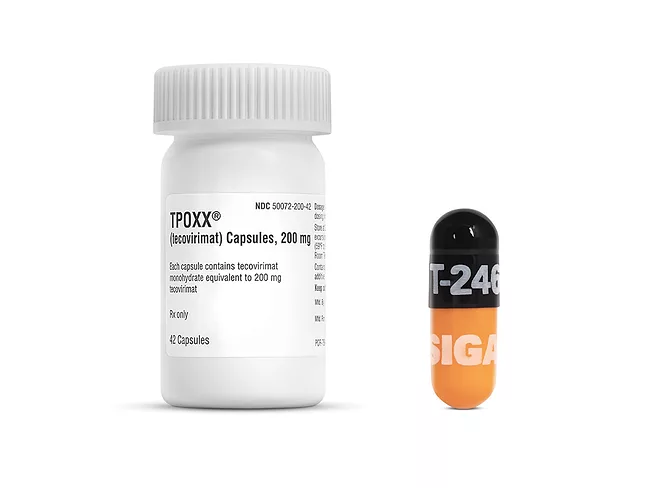
After declarations from the World Health Organization and the U.S. government that monkeypox is a public health emergency, attention is turning to the pharma industry’s response to the disease. Vaccines look likely to play a crucial role in controlling monkeypox – but could antivirals play a significant part as they did in the COVID-19 pandemic?
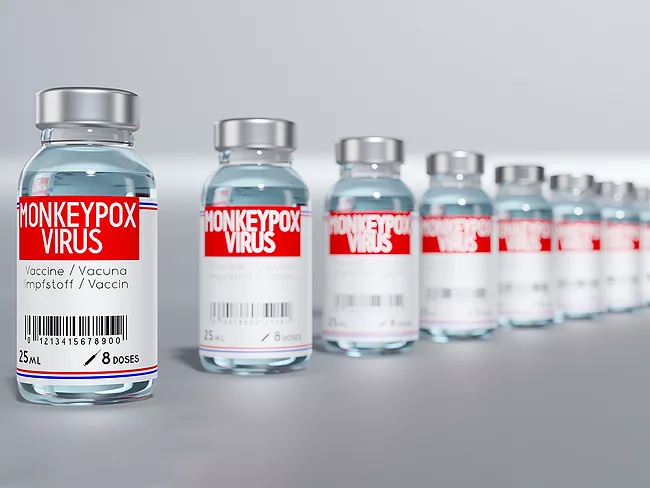
Now that the U.S. Department of Health and Human Services (HHS) has declared monkeypox a public health emergency, nearly two weeks after a similar declaration from the World Health Organization, the way is cleared for a coordinated response and emergency use authorizations to address supply challenges that could limit the availability of currently approved vaccines. It also has several companies ready to leap into the fray if their preclinical studies show a path to approval. HHS said it just shipped more than 602,000 doses of the Jynneos vaccine to states and jurisdictions, an increase of 266,000 in the past week.
F2G Ltd. has raised a further $70 million in venture capital as it continues preparations to submit a new drug application to the U.S. FDA for its novel antifungal drug, olorofim, before the end of 2022.
Hot on the heels of a groundbreaking deal brokered by the U.K.’s NICE to finance an antibiotic with a subscription-style payment plan, three European life sciences companies have formed a joint venture (JV) to create next-generation antimicrobials and diagnostics to fight antimicrobial resistance.
Spero Therapeutics Inc.’s oral antibiotic, tebipenem Hbr, has been rejected by the U.S. FDA for adults with complicated urinary tract infection, after the regulator said a further trial is needed for approval.
Osivax SAS secured €10 million (US$10.5 million) in research funding from Bpifrance to maintain the momentum of its putative universal influenza vaccine program, which is currently undergoing phase II trials.
While the biopharma industry was widely praised for its fast response to the COVID-19 pandemic, moves are afoot to ensure that the world is better prepared in case another pandemic hits. Moderna Inc. was one of the companies that blazed a trail in the early stages of the pandemic with its revolutionary mRNA vaccine. Now the firm is investing in manufacturing and R&D in the U.K. to make good on a pledge to respond to the next global disease threat within 100 days of its detection.
An agreement has been reached in the U.K. to pay a fixed annual fee for two antibiotics, regardless of how often the drugs are prescribed, in a bid to prevent their overuse and slow the development of antimicrobial resistance.
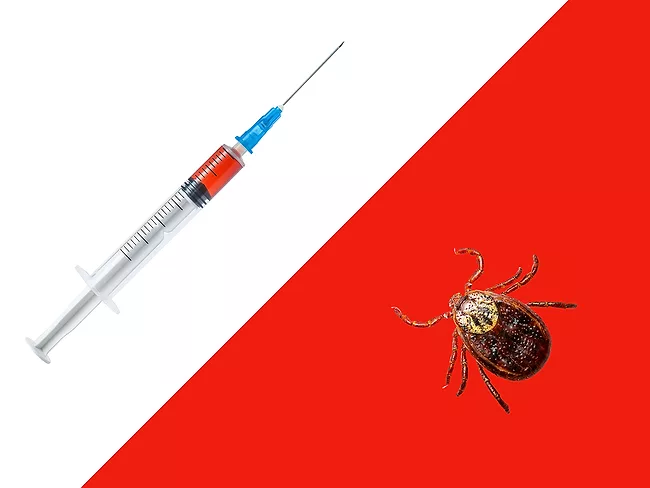
Valneva SE has struggled to get its COVID-19 vaccine on the market, but efforts to get the first Lyme disease vaccine approved in years now appear firmly on track after partner Pfizer Inc. invested €90.5 million (US$94.9 million) in the project. New York-based Pfizer has been working with Saint-Herblain, France based Valneva on the Lyme disease vaccine since April 2020, when the big pharma bought into the development program for the vaccine candidate codenamed VLA-15 for $130 million.
 RSS
RSS