Takeda Pharmaceutical Co. Ltd.'s oral antiviral, maribavir, failed to meet the primary endpoint of noninferiority compared to Roche Holding AG’s valganciclovir in the phase III Aurora study for cytomegalovirus (CMV) infection in hematopoietic stem cell transplant recipients. The multicenter, randomized, double-blind, double-dummy, active-controlled study was to form the basis for a future label expansion for the therapy.
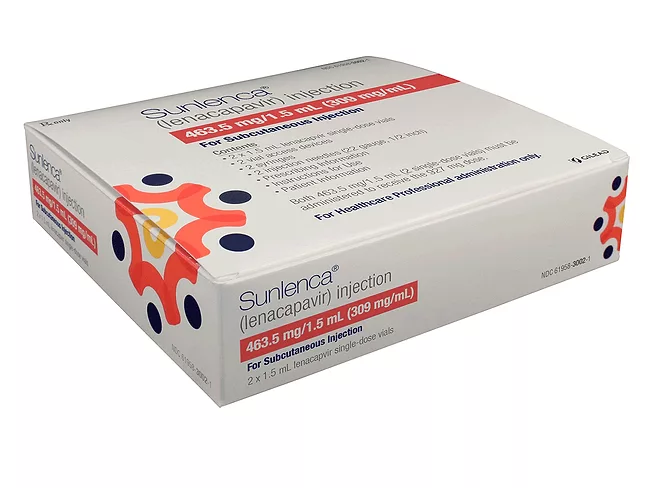
Viral specialist Gilead Sciences Inc.’s U.S. FDA clearance for twice-yearly Sunlenca (lenacapavir) in combination with other antiretroviral therapies for HIV-1 infection provides heavily treatment-experienced patients a new option, and gives the company room to flex with new add-ons.
Pfizer Inc. has acquired rights to respiratory syncytial virus (RSV) drug candidate sisunatovir from Lianbio Co. Ltd. in a deal worth up to $155 million covering development and commercialization rights in mainland China, Hong Kong, Macau and Singapore. With this agreement, Pfizer now holds global development and commercialization rights to the candidate, an orally administered fusion inhibitor is designed to block RSV replication by inhibiting F-mediated fusion with the host cell.
Given all the advances that have been made over the past decade, the U.S. FDA decided to issue a new draft guidance on developing antibacterial drugs to treat pulmonary tuberculosis (TB) rather than finalize the draft it issued in 2013. In releasing the new draft, the agency cited advancements made in nonclinical models, streamlined clinical development programs and growing interest in treatment-shortening combination regimens.
Top-line primary data from week 48 of Eiger Biopharmaceuticals Inc.'s phase III D-LIVR study of lonafarnib, a prenylation inhibitor for treating chronic hepatitis delta virus, also known as hepatitis D, hit statistical significance vs. a placebo in the composite primary endpoint.
The age-old separation of dentistry from medicine is deeply embedded in education and professional practice. Given the great advances in both disciplines in recent decades, there is a reasonable argument to be made for maintaining the divide.
Twelve months after a single shot of Valneva SE’s chikungunya vaccine, positive antibody persistence was found, threatening a deadly disease that has long resisted treatment. The new data are derived from a study of 363 healthy adult participants that followed them from month 6 after vaccination to month 12. Nearly all, 99%, kept their neutralizing antibody titers for 12 months beyond the seroresponse threshold of 150, which hit the primary endpoint and the antibody level agreed with regulators as endpoint under the accelerated approval pathway.
Investigators at the University of Bristol and Biognos AB have identified a structural feature that distinguished the deadly coronavirus strains from harmless, common cold-causing variants. The findings, which were published in the Nov. 23, 2022, issue of Science Advances, could form the basis of universal COVID antivirals, putting an end to the endless race to deal with new variants that has so far been a necessity.
A diverse group of government and academic researchers, marking World AIDS Day 2022, have published details of an investigational vaccine they said safely induced broadly neutralizing antibody-precursors against HIV in nearly all participants in a small phase I trial.
The U.S. FDA has approved its first fecal microbiota treatment. Rebyota (fecal microbiota, live-jslm), from privately held Ferring Pharmaceuticals Inc., is now approved to prevent recurring Clostridioides difficile infection (CDI) in adults. The Nov. 30 approval came about two months after the FDA’s Vaccines and Related Biological Products Advisory Committee voted 13-4 to support the microbiome therapy’s effectiveness in reducing recurrent CDI in adults after antibiotic treatment for recurrent CDI.
 RSS
RSS