Beijing Luzhu Biotechnology Co. Ltd. raised a net HK$242 million (US$31 million) from an IPO in Hong Kong but shares in the developer of vaccines and therapeutics for infectious diseases, cancer and autoimmune diseases plummeted on the first day of trading. Luzhu’s shares (HK:2480) started trading on May 8 at HK$31.50 and fell about 30% throughout the day to close at HK$22. Founded in 2001, Luzhu has yet to turn a profit. It recorded net losses of ¥725.2 million (US$92 million) in 2022 and ¥539.4 million in 2021.
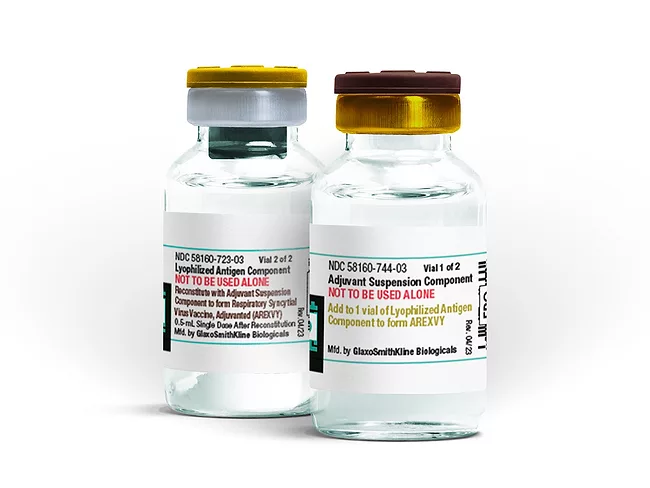
The U.S. FDA has approved the country’s first-ever respiratory syncytial virus (RSV) vaccine, Arexvy, from GSK plc. The adjuvanted vaccine is also the first for older adults anywhere on the planet. GSK now has a head start to vaccinate the U.S. market, but other big companies, such as Sanofi SA and especially Pfizer Inc., are in late-stage development and will pose strong challenges in the coming year. Pfizer’s PF-0692831/RSVpreF, an RSV vaccine for treating lower respiratory tract disease caused by RSV, has a priority BLA with a May 31 PDUFA date.
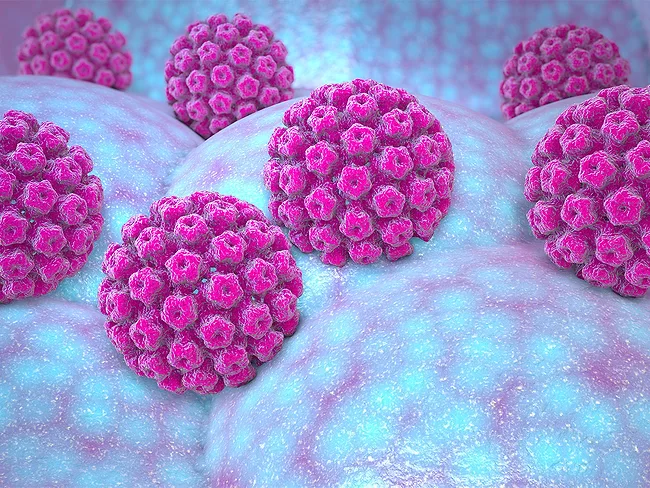
A precancerous condition caused by the human papillomavirus (HPV) affects up to 300,000 American women who are diagnosed each year, and yet there are no treatments, just preventive vaccines introduced in 2006 – targeted to younger generations prior to the first sexual encounter. That leaves a large proportion of the female population stuck with a “wait-and-see” approach that involves continuous monitoring of their HPV infection through pap smears to detect cellular changes that could lead to cervical cancer. South San Francisco-based Antiva Biosciences Inc. is seeking to find a better response to this condition known as high-grade cervical intraepithelial neoplasia (CIN2,3) with its lead topical therapeutic, ABI-2280, a prodrug of an acyclic nucleoside phosphonate that is currently in phase I trials.
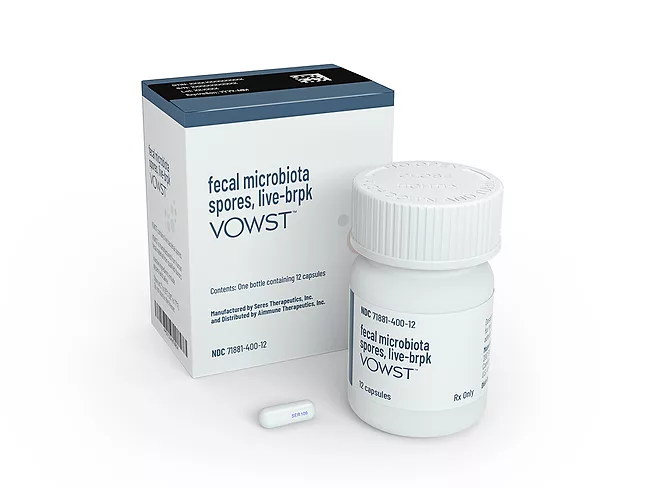
The supply chain for Seres Therapeutics Inc.’s oral microbiome therapeutic Vowst, formerly known as SER-109, to prevent recurrent Clostridium difficile infection (rCDI) is “well-established,” said David Arkowitz, the firm’s chief financial officer and head of business development. “It’s the same supply chain that we used for phase III [trials], and we’ve been manufacturing product for launch for some time.” Arkowitz spoke during a conference call with investors April 27, regarding the previous day’s U.S. FDA go-ahead for Vowst, cleared for adults with rCDI, including first recurrence following antibacterial therapy.
As expected, Seres Therapeutics Inc. gained U.S. FDA approval of the BLA for the oral microbiome therapeutic Vowst, formerly known as SER-109, for prevention of recurrent Clostridium difficile infection (rCDI), accepted for priority review in October of 2022 without an advisory committee meeting.
Moderna Inc.’s mixed results in mid-February from a trial with its mRNA influenza vaccine served to emphasize the need for a more comprehensive preventer of the still problematic-for-many seasonal bug – a space where Vir Biotechnology Inc. has been busy and is slated to report closely watched phase II data from the study called Peninsula in late spring or early summer of this year.
The success of the President’s Emergency Plan for AIDS Relief (PEPFAR) over the past 20 years is one of the biggest challenges in reaching its goal of eliminating HIV as a global public health threat by 2030, members of the U.S. Senate Foreign Relations Committee were told as they moved toward reauthorizing the program for another five years.
With scientists yet to discover the specific antigen that confers protection from Epstein-Barr virus (EBV), there are currently no prophylactic vaccines available for the diseases it causes, the most well-known of which is infectious mononucleosis but which evidence suggests might also extend to immune disorders, multiple sclerosis and various cancers. This hasn’t stopped companies from trying, and one such player, EBViously Inc., is hedging its bets with a wider net, using as many proteins as possible to mimic the original viral pathogen and its complexity in a vaccine composed of non-infectious virus-like particles.
30 Technology Ltd. has divested its wound care business, leaving it to focus on pharmaceutical applications of its patented nitric oxide-generating chemistry in the treatment of antibiotic-resistant respiratory infections.
Despite concerns about a limited dataset to study, the urgent need to treat one of the toughest and most deadly infections propelled a U.S. FDA advisory committee to unanimously support the NDA for Entasis Therapeutics Inc.’s sulbactam-durlobactam (Sul-Dur). Sul-Dur, an injectable combination of beta-lactam antibiotic and beta-lactamase inhibitor for treating adults with hospital‐acquired bacterial pneumonia and ventilator‐associated bacterial pneumonia caused by susceptible strains of carbapenem-resistant Acinetobacter baumannii infections, has a May 29 PDUFA date.

 RSS
RSS